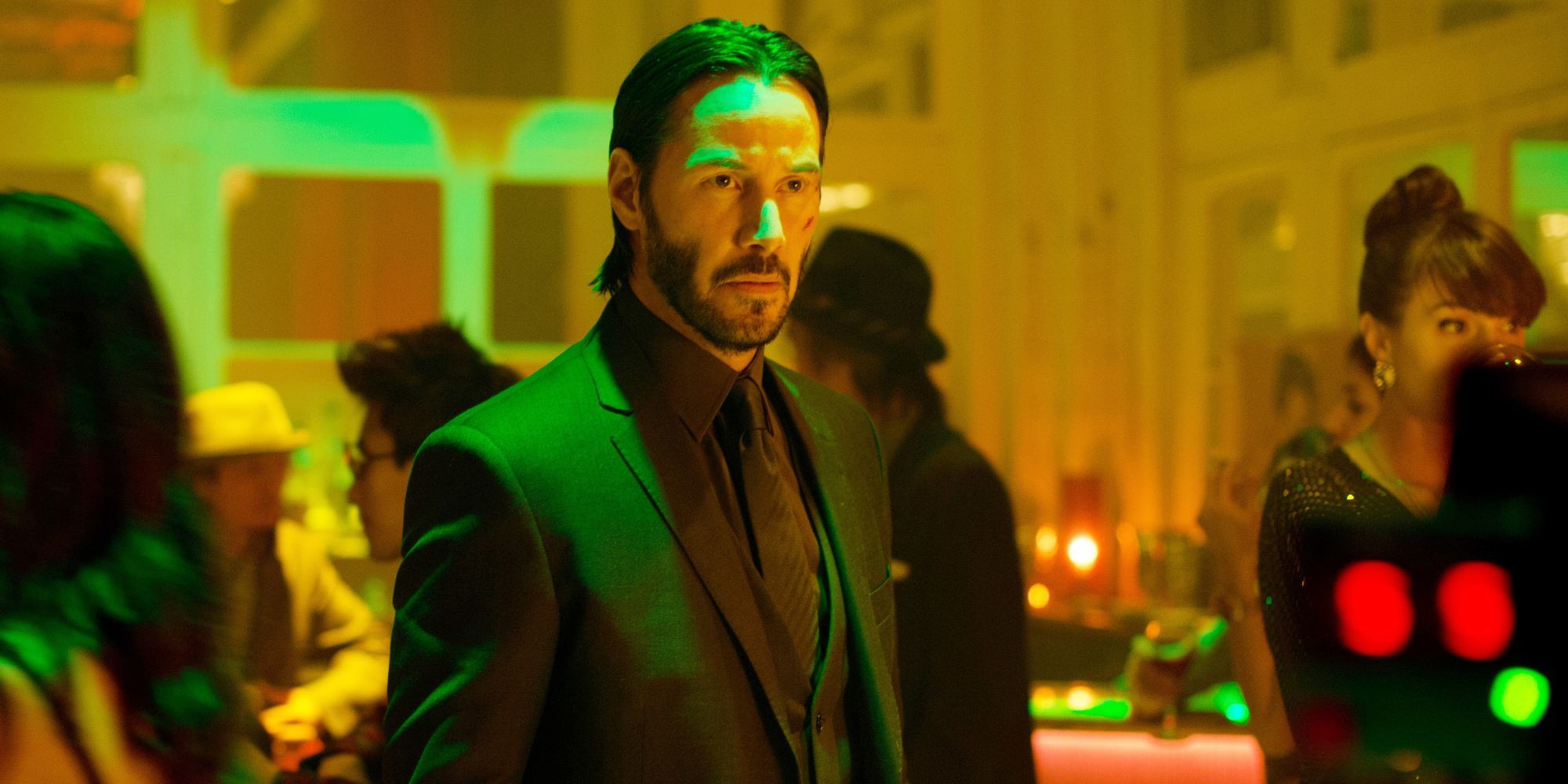
Exploring the Themes and Climax of Spider-Man: Brand New Day
Dive deep into the themes and critical turning points in Spider-Man: Brand New Day.
An in-depth analysis of five cornerstone fantasy novels that transformed the genre forever.
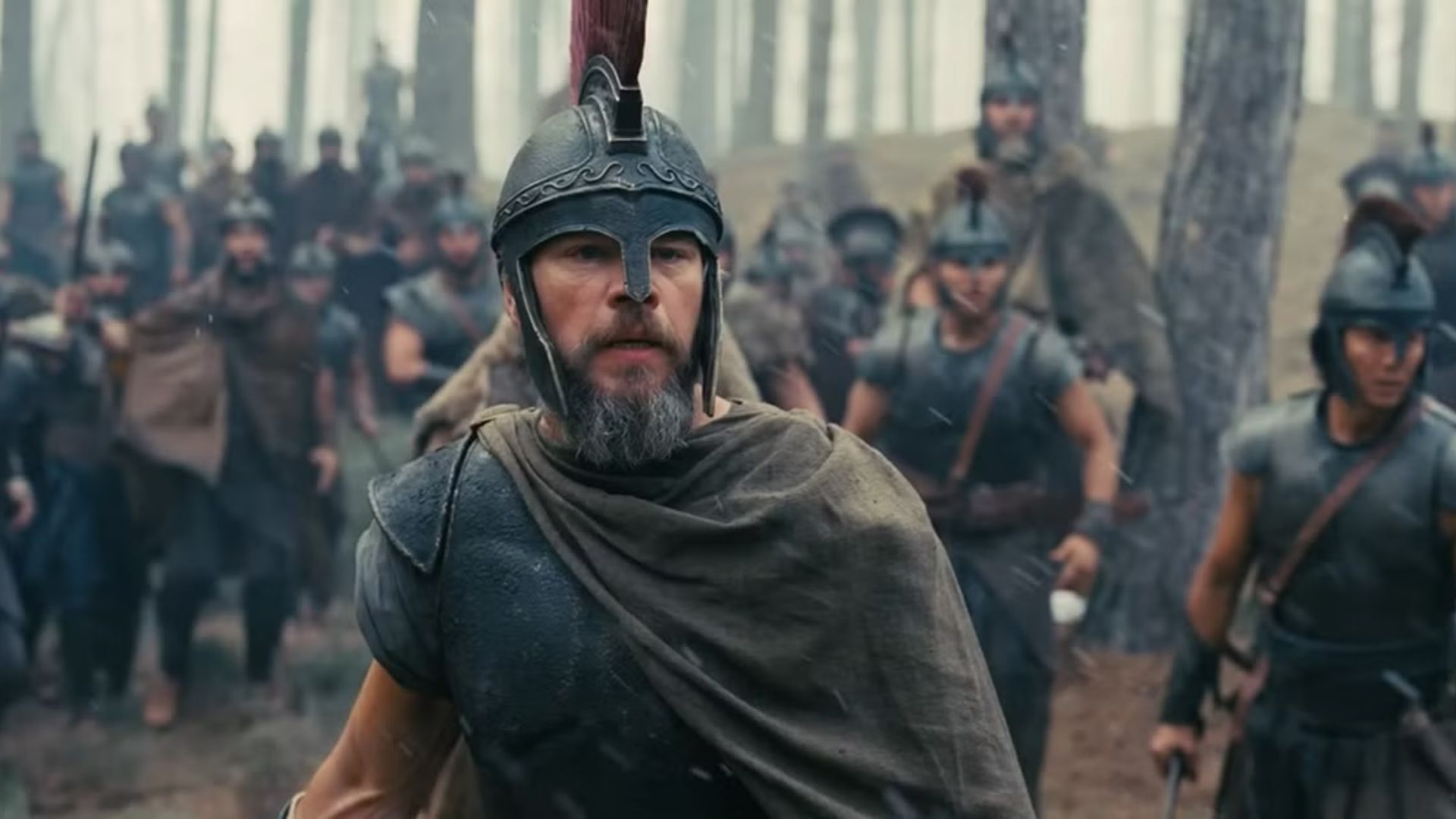
In simple terms, the crux of this analysis on the five most influential fantasy books revolves around understanding how these narratives reshaped literature and the wider cultural perception of the fantasy genre. Each book not only introduced innovative ideas but also blossomed into adaptations that reached audiences well beyond their original readership, thus bridging the gap between literature and other media forms.
The central question we explore is how these selected works have impacted both the trajectory of fantasy literature and its cultural ramifications. They represent milestones that paved the way for subsequent authors and genres, affirming that fantasy is more than mere escapism; it's a profound reflection of societal norms and aspirations.
One of the pivotal turning points in fantasy literature is exemplified by Lewis Carroll's Alice's Adventures in Wonderland. Released in 1865, this book is seminal for its unapologetic divergence from the conventional storytelling norms of the time. Carroll crafted a world where logic bends and reality twirls into absurdity. Significantly, this notion of unrestricted imagination influenced countless writers, notably inspiring C.S. Lewis when he later penned The Lion, the Witch, and the Wardrobe.
Carroll’s non-linear narrative challenges the reader to engage actively with the text rather than simply absorb morals. This aspect is vital in understanding how Alice laid groundwork for the complexities that contemporary fantasy texts would grapple with, encouraging an engagement that invites interpretation and personal insight.
The next transformative book, Harry Potter and the Sorcerer’s Stone, released in 1997, ventured into themes that significantly uplifted the genre's stature in children's literature. J.K. Rowling not only created a magical world but also introduced complex themes regarding good versus evil, friendship, and self-discovery. What’s noteworthy here is how Rowling trusted her young audience to grapple with nuanced issues usually reserved for adult audiences.
This bold choice resonated across demographics, making literature approachable yet challenging. It also initiated an era where young adult (YA) fantasy began to flourish, establishing templates for future works characterized by adolescent protagonists navigating the intersections of magic and reality. Such narratives inform audiences about identity and responsibility while keeping the fantastical elements inviting.
Further diverging into themes, C.S. Lewis's The Lion, the Witch, and the Wardrobe stands out for its embedded religious allegory—fusing moral backbone with story elements. Released in 1950, this work took the portal fantasy genre to new realms, employing objects as conduits to magic. The text became a parallel universe where children not only explored adventure but also grappled with deeper moral complexities, a dialogue that continues to echo in modern fantasy.
The narrative set a resonating precedent for combining allegorical content with fantastical storytelling, fostering discussions that traverse age and cultural divides. This method of embedding significant moral undertones presents a crucial insight into why Lewis’s book remains influential, shaping future adaptations and literary explorations alike.
Another essential work is Homer's The Odyssey, around the 8th century BCE, which stands as one of the earliest instances of a hero’s quest—a cornerstone of not only fantasy but of literature as a whole. Odysseus embodies traits that resonate with modern interpretations of the anti-hero. His character navigates a realm filled with mythological creatures, showcasing intelligence, cunning, and moral ambiguity.
The journey motif established in this epic has since become a template for numerous fantasy narratives, emphasizing that the exploration of personal flaws paired with growth is as captivating as the magical worlds they inhabit. It speaks to the universal appeal of the hero’s journey, laying the groundwork that later stories would build upon.
Finally, J.R.R. Tolkien’s The Fellowship of the Ring, released in 1954, revolutionized the fantasy genre by presenting a meticulously-crafted world and intricate lore that would become the blueprint for high fantasy literature. While The Hobbit offered a glimpse into this world, it was The Fellowship of the Ring that fully realized the potential of world-building, encasing themes of friendship, loyalty, and collective struggle within the narrative.
Tolkien’s influence is felt in the genre's tropes—the fellowship of diverse beings, the reluctant hero, and the mentorship paradigm. These elements have reverberated through countless adaptations and inspired authors worldwide, solidifying Tolkien’s status as a pivotal figure in fantasy literature.
The confirmed narratives of these five influential works illustrate their impact on the fantasy genre and storytelling at large. They possess the power to ignite imaginations, reflect cultural truths, and engage future generations in a dialogue about the boundaries of reality and fiction.
Establishing a rich foundation, each book facilitates genre exploration and inquiry into significant societal matters through fantastical allegories. Their legacies influence how stories are told in various mediums today, fostering continued adaptation across books, films, and television.
What these influential works demonstrate is that fantasy literature is not just an escape; it mirrors humanity's struggles, beliefs, and resolutions. Each author, through their clever usage of motifs and structures, has significantly contributed to shaping the contours of narrative possibilities that would follow.
This exploration emphasizes the importance of recognizing the threads of influence that connect classic literature to contemporary narratives. By understanding these ties, readers and creators alike can appreciate the roots of fantasy literature while contemplating its future. As the current landscape continues to evolve, these seminal texts remain essential beacons guiding new works and rich conversations in the genre.
For readers wanting to dive deeper into modern fantasy literature influenced by these classics, articles like 5 Action Thrillers That Outshine John Wick offer comparative insights into different genres reimagining fantasy elements. Similarly, analyses such as Spider-Man: Brand New Day Box Office Success Explained shed light on how fantasy concepts transcend literature into larger cultural narratives.
Movie explanation
EpisodeBreakdown may use automated tools to assist research, drafting, and formatting. Published pages are governed by our editorial and corrections policies, and source links are shown when they are available in the article record.
Discovery source: CBR Movies. The source identifies where the topic was discovered; EpisodeBreakdown is responsible for the commentary published on this page.
Reader response
Reactions and poll results are based on real reader responses. No account is required.