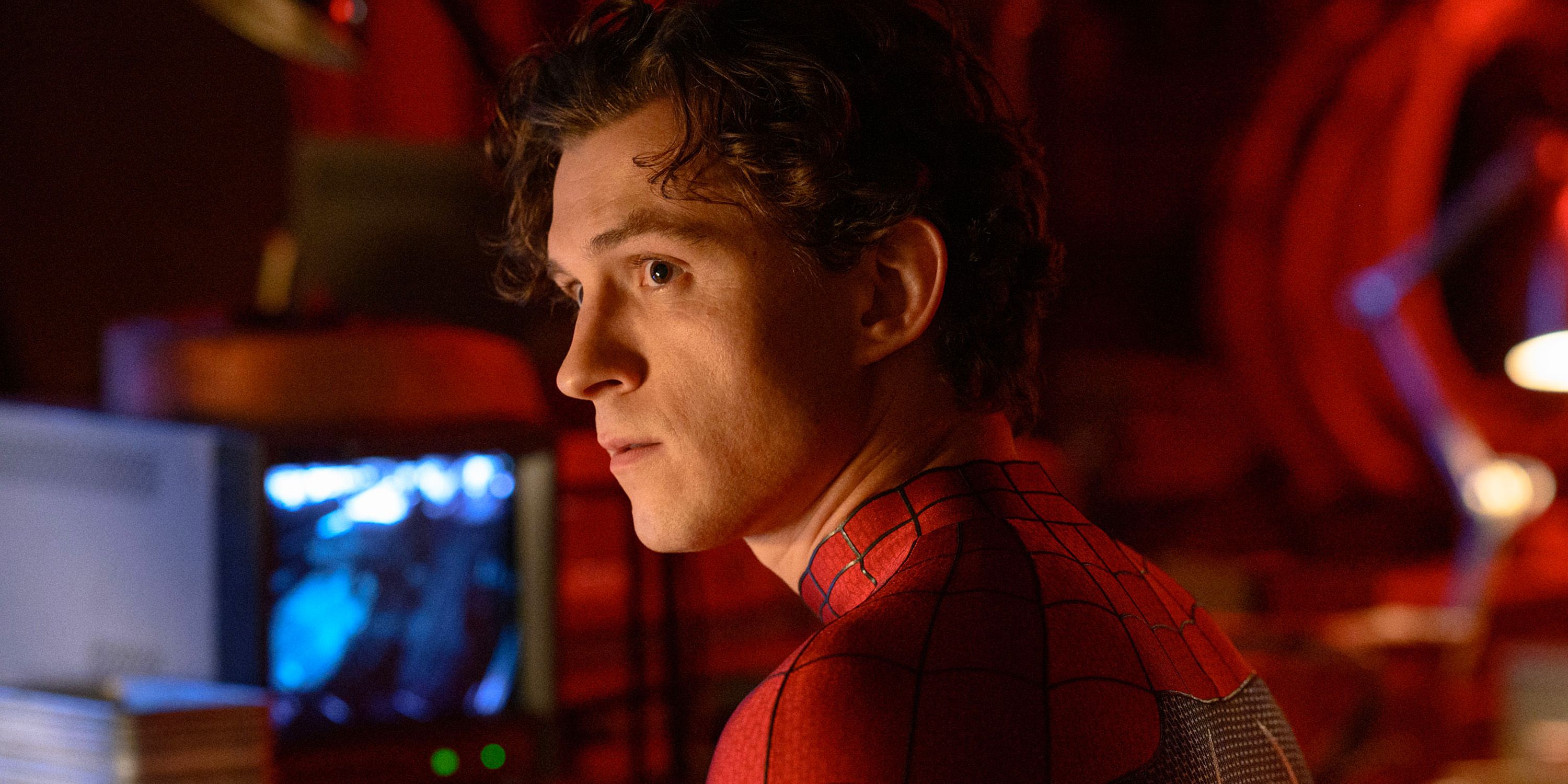
Analyzing 'Spider-Man: Brand New Day' and Its Box Office Impact
Explore the themes, character choices, and significant clues in 'Spider-Man: Brand New Day' amidst its impressive box office success.
This article delves into five compelling books perfect for a Christopher Nolan horror movie, analyzing their themes and potential cinematic impact.
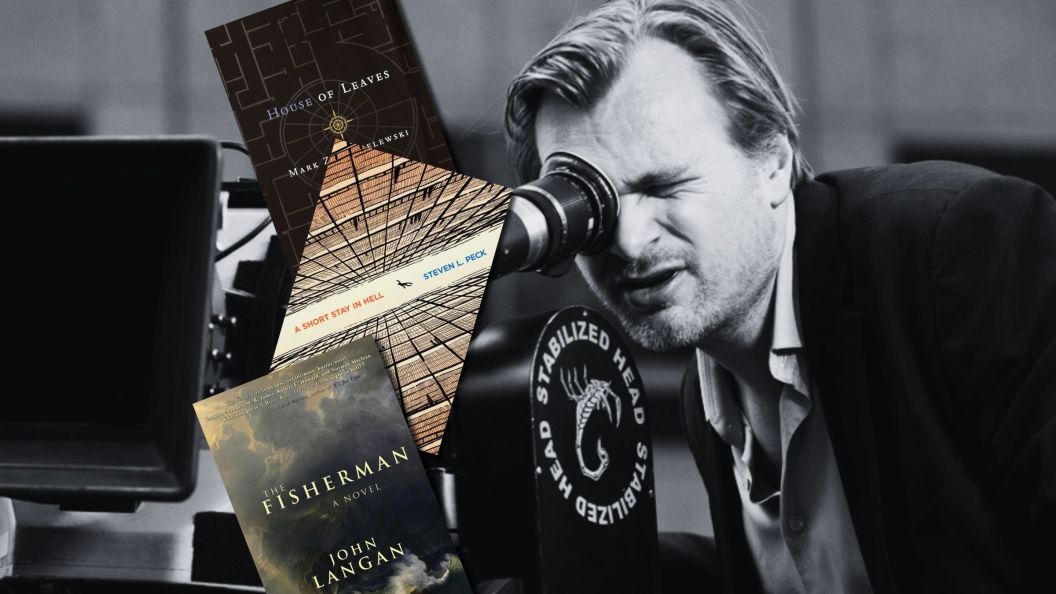
In simple terms, the central question surrounding Christopher Nolan's potential horror film is whether he can transition his signature storytelling style into a genre often reliant on traditional scare tactics. What happened is that Nolan has expressed a desire to explore horror, particularly after his successful ventures in genres like sci-fi and war films. His unique narrative approach could transform horror into something cerebral and unexpected.
John Langan's The Fisherman presents a nuanced exploration of grief set against a backdrop of ancient legends. The plot revolves around two widowers whose fishing attempts to cope eventually plunge them into cosmic horror. Confirmed elements of this narrative involve a gradual buildup of tension and world mythology, making it comparable to Nolan's films like Interstellar and The Prestige, where simple themes expand into complex narratives.
The thematic resonance of personal grief interwoven with larger cosmic elements anchors this story firmly within Nolan's wheelhouse. By delving into the emotional undercurrents of the characters, he could provide a fresh take on horror, distancing it from jump scares in favor of deeper psychological exploration.
Laird Barron's The Croning invites Nolan's penchant for narrative puzzles. This book follows Don Miller as he unravels a conspiracy involving ancient entities, with timelines interwoven in a non-linear fashion. Confirmed characteristics of the plot suggest that its horror pivots on the psychological and the investigative thriller aspects. By manipulating the story's timeline, Nolan could engage viewers in a way that keeps them guessing, unearthing revelations that heighten the terror as they unfold.
The depth of paranoia and existential dread in Miller's journey echoes the psychological horror Nolan has hinted at in films like Inception. Such themes convey that reality may not be what it seems, a motif Nolan often revisits.
Steven L. Peck's A Short Stay in Hell operates on a singular and clever premise: a man dies and finds himself trapped in an infinite library seeking the story of his life. This book’s existential dread fits Nolan’s cinematic exploration of time and reality. The horror arises from the overwhelming scale of the task, mirroring themes of life’s meaninglessness.
The confirmed elements of this narrative objective align well with Nolan's fascination with structure and the nature of existence. The visual portrayal of an infinite library could become an atmospheric experience, blending existential horror with visual grandeur that Nolan is known for.
Mark Z. Danielewski's House of Leaves is perhaps one of the most ambitious and complex narratives ever written. The book challenges traditional storytelling with its nonlinear format and innovative narrative structure. Confirmed concepts include a house defined by impossible architecture, which echoes themes related to perception and reality that Nolan has explored in his other films.
The adaptation of this book would allow Nolan to play with cinematic form analogous to how he manipulates time, creating a labyrinth that is both visually and intellectually engaging. The potential of transforming this “unfilmable” narrative into a compelling film adds an additional layer of intrigue and challenge.
The Gone World by Tom Sweterlitsch brings together elements of time travel, murder investigations, and an apocalyptic horror scenario. The story's protagonist, Shannon Moss, navigates realities that reveal chilling truths about her investigation. Confirmed themes in this narrative touch upon fate and inevitability, resonating deeply with Nolan's previous motifs in Tenet.
This novel's potential as a visual experience could mirror the thriller aspects of his work while also establishing a foundation for deep horror elements. Each timeline visited revealing darker truths could create a sense of mounting dread that aligns well with the type of horror Nolan may wish to explore.
Nolan has navigated darker themes in films like The Dark Knight and Dunkirk, using suspense rather than the overt horror to convey tension. The transition to a horror genre may allow him to merge these experiences while exploring unseen fears and psychological awakenings. His ambition to find a unique horror narrative also underscores the idea that horror, when well-crafted, can provoke thought as much as it can scare.
Nolan’s previous films often involve intricate plotting and layered themes, where meanings unfold over time. If he adapts any of these celebrated novels, he could utilize similar storytelling techniques to embed clues that may only become clear upon reflection—characteristic of his work and an intriguing aspect of horror. This could lead to a film that is not just a sensory experience but also an intellectual and emotional one.
The prospect of Christopher Nolan delving into horror represents an enticing possibility for film enthusiasts. It hints at a blend of cerebral fear, intricate storytelling, and visual artistry that could redefine how audiences perceive the genre. The exploration of existential themes through existing narratives like The Fisherman, The Croning, and others not only align with Nolan's creative obsessions but also present an opportunity for horror that resonates on a deeper level. As Nolan continues to search for the perfect story, one cannot help but feel optimistic about the unique vision he could bring to the horror genre. For more insights into captivating cinematic narratives, check out Mia Goth's Gripping Psychological Horror: Pearl Explained and Exploring Five Fantasy Masterpieces That Challenge The Lord of the Rings.
Movie explanation
EpisodeBreakdown may use automated tools to assist research, drafting, and formatting. Published pages are governed by our editorial and corrections policies, and source links are shown when they are available in the article record.
Discovery source: ComicBook.com. The source identifies where the topic was discovered; EpisodeBreakdown is responsible for the commentary published on this page.
Reader response
Reactions and poll results are based on real reader responses. No account is required.