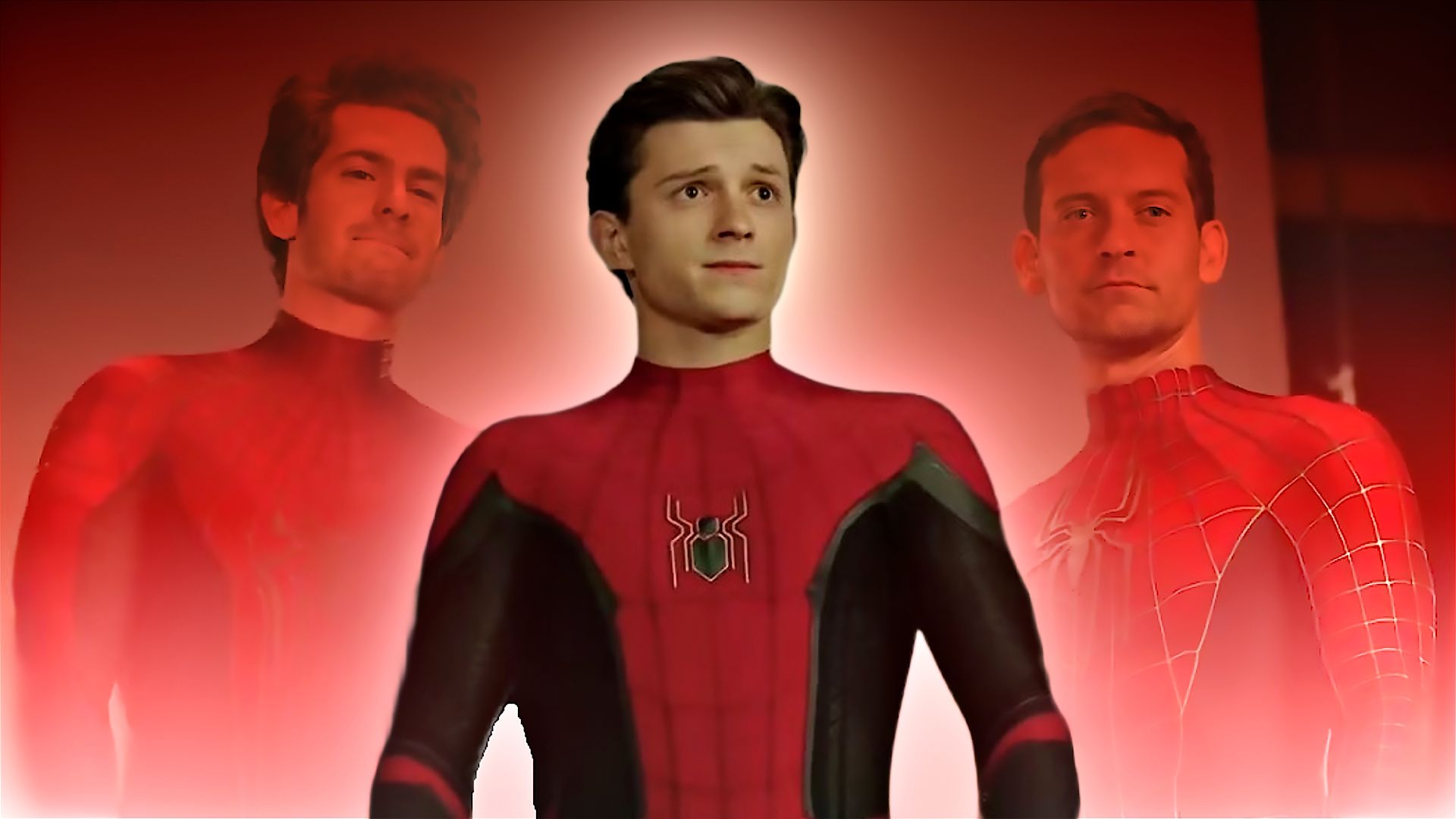
Spider-Man: Brand New Day Elevates Tom Holland as Peter Parker
Tom Holland’s performance in Spider-Man: Brand New Day redefines Peter Parker, showcasing a matured superhero fighting on the gritty streets of New York.
Exploring the intricate themes and character choices in Christopher Nolan's acclaimed film Oppenheimer.
In simple terms, Christopher Nolan’s film Oppenheimer poses a central question: What is the moral cost of scientific innovation? The narrative, based on the real-life figure J. Robert Oppenheimer, showcases the paradox of a man who, while responsible for creating a weapon of mass destruction, also grapples with its implications. Released to widespread acclaim, the movie presents a rich tapestry of conflict, ethics, and the burden of genius.
The story begins by immersing us in Oppenheimer's formative years and his ascent within the scientific community leading to the Manhattan Project. Here, Oppenheimer becomes a complex figure: a visionary scientist entangled in moral dilemmas and personal conflicts. The confirmed events surrounding his collaboration with the U.S. government highlight both his leadership and the pressures that accompany groundbreaking scientific endeavors.
A critical turning point occurs when Oppenheimer accepts leadership of the Manhattan Project. This project was not just about scientific discovery; it involved significant ethical compromises. Nolan does not shy away from revealing the gravity of these decisions. We see Leslie Groves, played by Matt Damon, as a military officer who embodies the urgency of wartime innovation, while Oppenheimer becomes increasingly torn between his scientific ambitions and the devastating outcomes of his work. This duality serves as a lens through which viewers can explore the broader theme of responsibility in the pursuit of progress.
These character choices become essential in understanding the themes at play. Oppenheimer's relationships, particularly with Katherine “Kitty” Oppenheimer (played by Emily Blunt) and Jean Tatlock (Florence Pugh), further complicate his moral landscape. Each interaction encapsulates Oppenheimer's struggle between personal desires and his inexorable duty to science and nation.
One of the significant themes detailed in Oppenheimer is the dichotomy of innovation and morality. Nolan expertly crafts scenes that favor philosophical inquiry over simple storytelling. The inclusion of various characters, such as Lewis Strauss (Robert Downey Jr.), illustrates differing perspectives on the development of nuclear weapons and the implications they have on humanity.
It’s fascinating to observe how these interactions reflect a broader societal commentary on the role of scientists in modern warfare. Oppenheimer’s famous quote, “Now I am become Death, the destroyer of worlds,” resonates throughout the film, emphasizing the anxiety surrounding nuclear power and the ethical questions it raises, making the audience question the responsibilities of creators.
As the film progresses, Oppenheimer wrestles with regret and guilt, making pivotal choices that ultimately lay the groundwork for his downfall. The confirmed timeline shows a transformation from a determined scientist to a man overshadowed by his creation's catastrophic potential. His eventual alienation from fellow scientists and the government reflects a punishment for his prophetic understanding of nuclear ramifications.
Moreover, the nuanced portrayals of secondary characters—particularly his dissenters and followers—serve to highlight various reactions to technological advancements. Each character embodies contrasting views, contributing to the film’s overall critique of scientific hubris.
The conclusion of Oppenheimer leaves viewers with lingering questions rather than pat answers. Oppenheimer's legacy as the 'father of the atomic bomb' becomes a double-edged sword that encapsulates both his brilliance and his remorse. The ending’s ambiguity illustrates Nolan's deliberate choice to foster discussion rather than provide closure, symbolizing the unresolved moral questions that permeate modern scientific discourse.
In explaining the impact, we can interpret the ending as a powerful statement on the unforeseen consequences of innovation, urging viewers to reflect on our current ethical dilemmas in technology, genetics, and AI—an issue more pertinent now than ever. The intertwining threads of personal sacrifice and societal impact resonate on multiple levels, pushing audience members to reconcile admiration for scientific achievement with horror at its potential for destruction.
As Oppenheimer transitions to streaming on Peacock, it invites a broader audience to engage with its complex themes. Nolan's meticulous storytelling and character depth encourage repeat viewings where subtleties can be further uncovered. The film’s success at the Oscars and its positive reception from audiences assure that it will remain a topic of discussion, especially as modern society grapples with similar ethical quandaries in scientific advancement.
In summary, Oppenheimer is not just a biopic but a poignant exploration of the human condition in the face of unprecedented scientific opportunity, encapsulating both the light and shadow of progress. For those interested in further exploring thematic elements in Nolan's work, consider reading our analysis of The Odyssey, where we similarly dissect character arcs and moral implications.
Movie explanation
EpisodeBreakdown may use automated tools to assist research, drafting, and formatting. Published pages are governed by our editorial and corrections policies, and source links are shown when they are available in the article record.
Discovery source: ComingSoon. The source identifies where the topic was discovered; EpisodeBreakdown is responsible for the commentary published on this page.
Reader response
Reactions and poll results are based on real reader responses. No account is required.