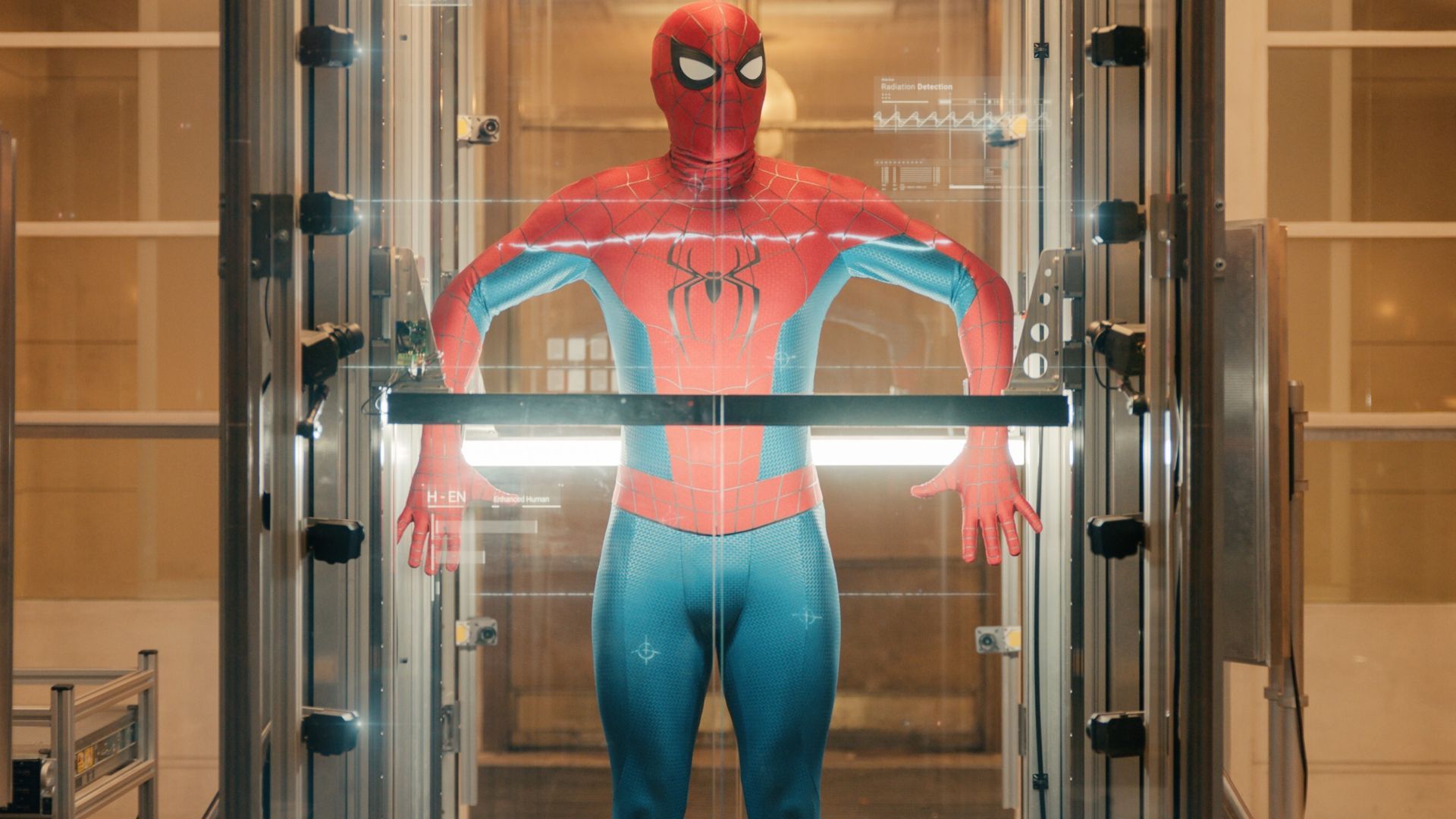
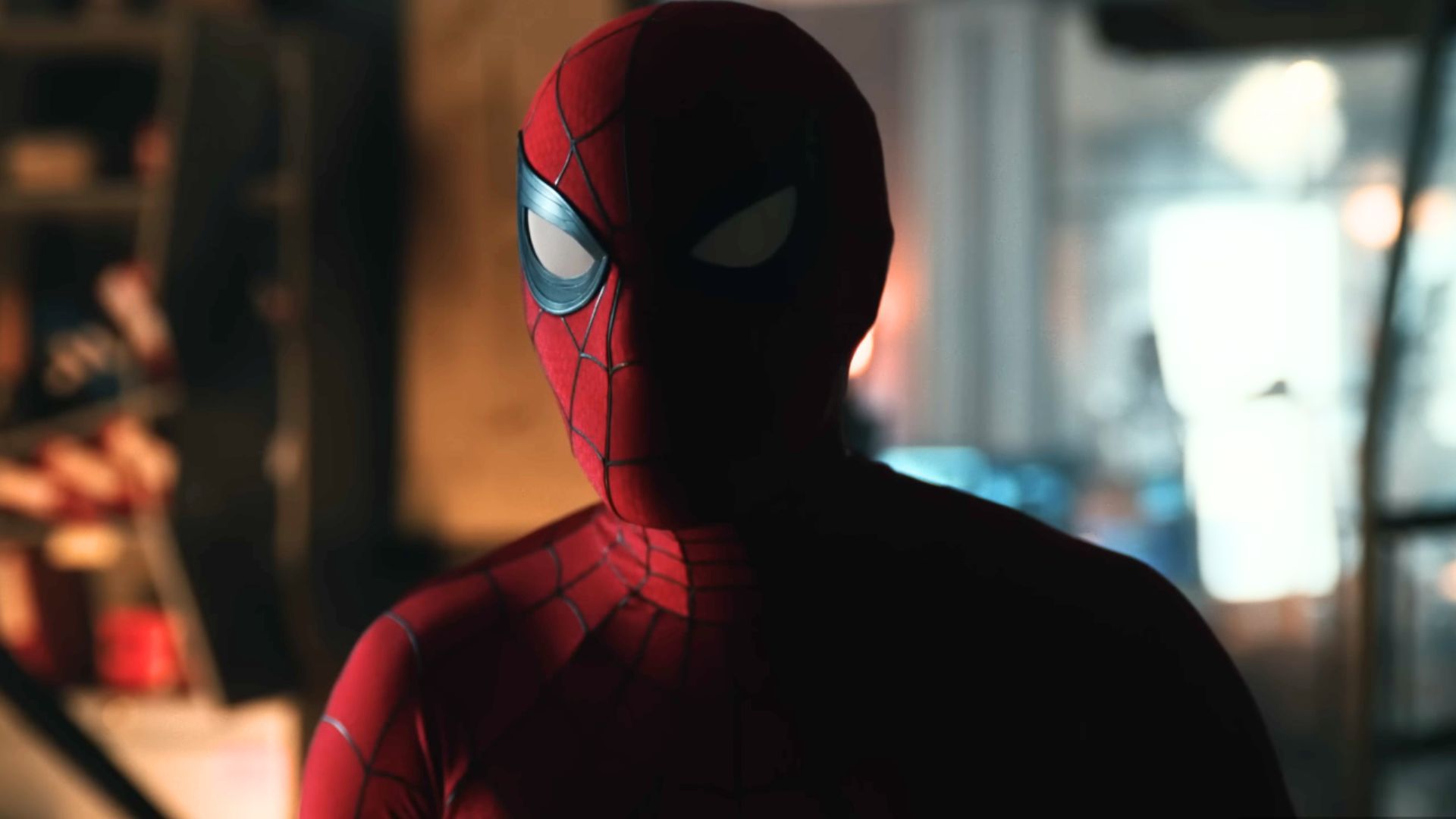
Exploring Spider-Man: Brand New Day's Impact on Cinema
Analyzing the themes, character dynamics, and record-breaking success of 'Spider-Man: Brand New Day'.
Examine the trajectory of Spider-Man films, exploring themes, character choices, and the impact of each movie in the franchise's legacy.
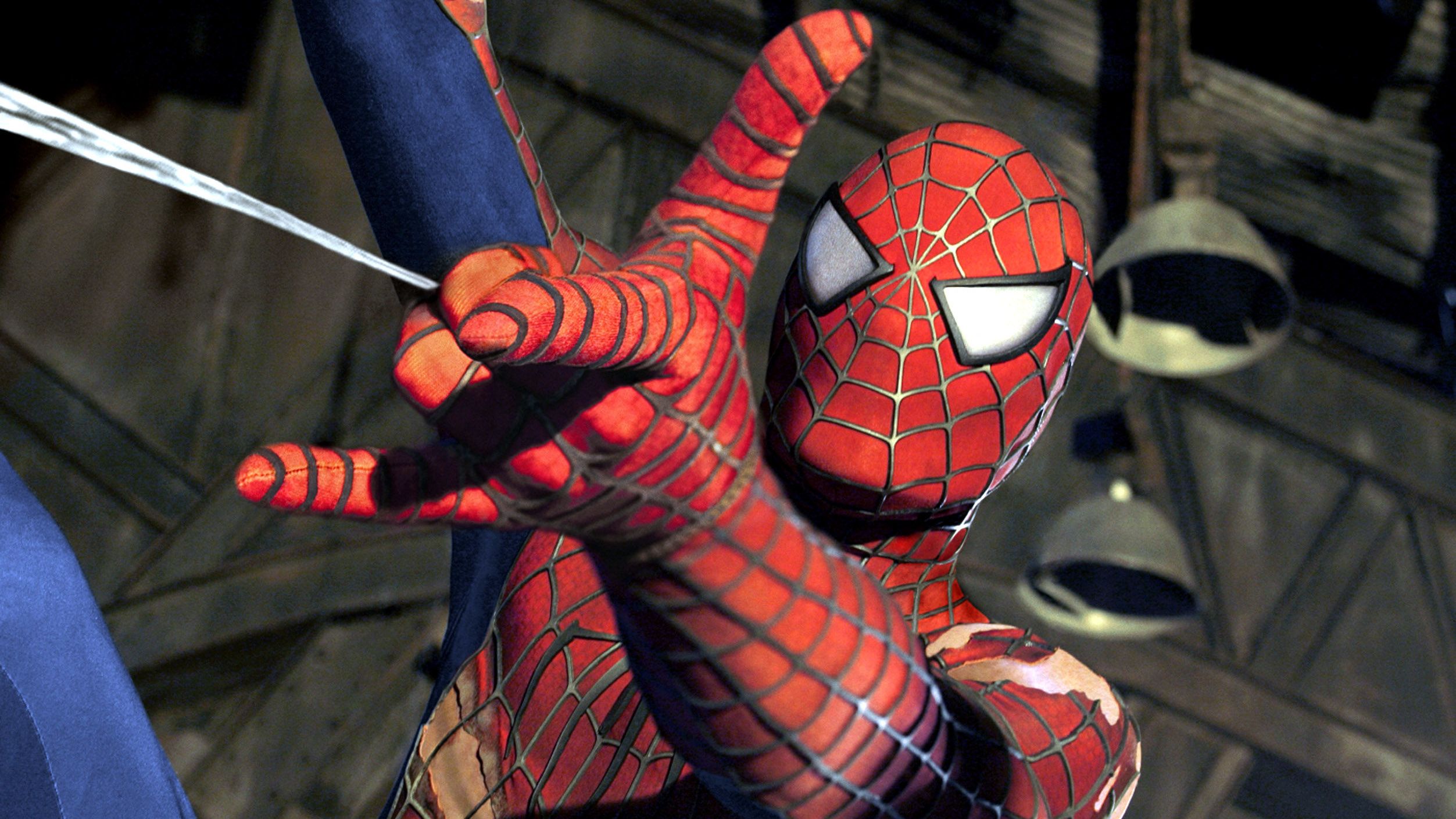
In simple terms, the best Spider-Man films capture the essence of the character while bringing fresh narratives that resonate with audiences. Through its evolution over two decades, nine live-action adaptations reveal a persistent struggle between superhero duty and personal challenges, crafting a rich tapestry of experiences that celebrate Spider-Man's moral complexities. This analysis aims to explore the nuances of each film and evaluate their contributions to the character’s legacy.
The original 2002 Spider-Man, directed by Sam Raimi and starring Tobey Maguire, transformed superhero cinema, laying down the groundwork for character-driven storytelling in the genre. This film gave audiences a Peter Parker who struggled with inner demons, showcased in his battles against both external villains and his own insecurities. Raimi’s vision resonated deeply, especially through its cast, including the unforgettable Willem Dafoe as Green Goblin. Here, it's confirmed that the film's impact was not only in its box office success but also in setting a standard for how superhero narratives could profoundly explore character motives.
In stark contrast, The Amazing Spider-Man (2012) attempted to reboot this rich narrative, but many felt it lacked originality and coherence. Andrew Garfield's portrayal, marked by an engaging chemistry with Emma Stone’s Gwen Stacy, earned praise despite the film’s shortcomings. The sequel, The Amazing Spider-Man 2, showcased impressive visuals and costume designs, yet faltered due to sprawl and poorly developed villains. The connection between Peter and Gwen remained the emotional core, but the overall disjointed narrative left much to be desired. The confirmed takeaway: while the performance strengths remained, the storytelling needed refinement.
Transitioning to Tom Holland's portrayal of Spider-Man, Spider-Man: Homecoming (2017) marked a pivotal shift by blending youthful exuberance with compelling stakes. This film reinvigorated the franchise by leaning into Peter Parker's teenage angst in a captivating manner, aided by the introduction of relatable character dynamics, such as his bond with Tony Stark. Critics noted that Holland’s Spider-Man retains a light-heartedness that differentiates him from earlier interpretations. The film integrated Marvel Cinematic Universe elements quite seamlessly, enhancing its narrative drive while demonstrating Peter's journey toward heroism, confirming its status as a modern classic.
However, later entries such as Spider-Man: Far From Home (2019) received mixed reactions, with critiques pointing to an overreliance on Iron Man’s legacy. While the narrative illuminated Peter's dilemmas post-Endgame, critiques highlighted the struggles with pacing and coherence. Jake Gyllenhaal's Mysterio emerged as a standout, but fans began to express a desire for a deeper exploration of Peter Parker’s emotional landscape rather than continuous references to previous MCU characters. These observations are crucial in noting how balance impacts audience engagement with a character.
The highly anticipated Spider-Man: No Way Home showcased a nostalgic reunion of past Spider-Men, offering a rich exploration of multiversal themes. This film capitalized on fan excitement while swirling layers of complexity around loss, responsibility, and the ramifications of choices made by each Spider-Man. However, while it generated buzz, critics also pointed out that a reliance on nostalgia risked overshadowing original character development as Peter Parker struggled to forge his identity separate from previous incarnations. Here is what remains noteworthy: while reuniting old characters creates emotional resonance, it should not detract from developing the current character's arc.
As the franchise continues to evolve, Spider-Man: Brand New Day revisits some of the themes reminiscent of earlier films but comes with an updated character focus that reflects newer comic inspirations. Confirmed reactions from early screenings suggest this film leans into a darker tone, allowing viewers to witness Peter Parker at his most vulnerable, which aligns well with classic comic storylines. The movie embraces turmoil, emphasizing personal sacrifice over grand superheroics, thus harking back to the franchise’s early roots while promising an intimate and emotionally charged narrative arc. This is a clear indicator that filmmakers are learning from the franchise's past while aiming to innovate.
The overarching theme throughout these films remains Peter Parker’s struggle between personal desires and his responsibilities as Spider-Man. Each film presents instances where his choices reflect the classic mantra: "With great power comes great responsibility." This persistent theme resonates through various character arcs and decisions made across different adaptations, confirmed by the dialogue throughout the films and their climax moments. The isolation faced by Peter Parker—whether through the loss of loved ones or his battles within himself—highlights the duality that defines much of his character journey.
Spider-Man has become a cultural icon, transcending comic book origins to shape public views on heroism and sacrifice. His portrayal has evolved, mirroring societal changes while remaining relatable across generations. The uniformity in challenges faced by each Spider-Man actor, from Maguire to Garfield and Holland, illustrates how timeless themes of loss, responsibility, and redemption resonate within the superhero genre.
The continuing evolution of Spider-Man films reflects an adaptation not only of cinematic techniques and narrative structures but also of audience expectations. Each film offers unique insights into the complexities of being a hero, contributing to the cultural landscape of superhero narratives. Moving forward, it's essential for filmmakers to balance nostalgia and originality, ensuring character exploration remains the top priority. As we embrace new adventures with Spider-Man, the audience's affinity for the character offers opportunities for deeper storytelling, ultimately enriching the legacy of this beloved superhero.
Movie explanation
EpisodeBreakdown may use automated tools to assist research, drafting, and formatting. Published pages are governed by our editorial and corrections policies, and source links are shown when they are available in the article record.
Discovery source: CBR Movies. The source identifies where the topic was discovered; EpisodeBreakdown is responsible for the commentary published on this page.
Reader response
Reactions and poll results are based on real reader responses. No account is required.