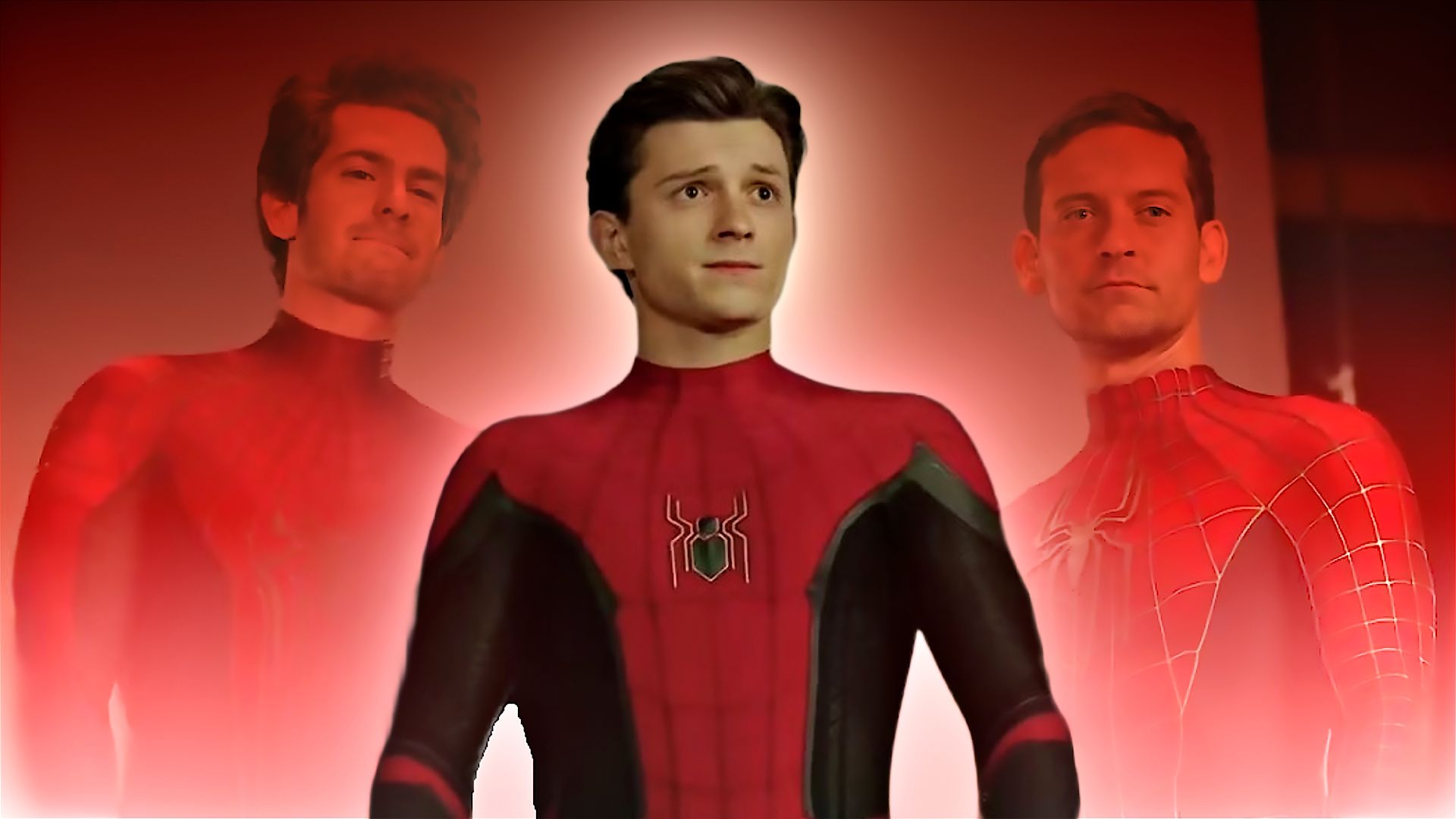
Spider-Man: Brand New Day Elevates Tom Holland as Peter Parker
Tom Holland’s performance in Spider-Man: Brand New Day redefines Peter Parker, showcasing a matured superhero fighting on the gritty streets of New York.
This article explores how inferior installments have impacted several popular Marvel trilogies, analyzing turning points and character decisions.
Explore the franchise
In simple terms, the success of a trilogy in the Marvel Cinematic Universe (MCU) can be significantly impacted by one poorly executed installment. A great franchise can see its legacy tarnished due to inconsistencies, rushed narratives, or a disconnect with the audience. This analysis delves into several notable Marvel trilogies which, although initially strong, suffered immensely from one inferior film that disrupted their flow and coherence.
The X-Men franchise is a prime example of how the trajectory of a trilogy can be adversely affected by a lackluster final entry. The original film in 2000 was met with acclaim, establishing beloved characters like Wolverine and Professor X, alongside a compelling narrative. However, the third installment, X-Men: The Last Stand, failed to uphold these standards. It rushed through the iconic Phoenix saga and introduced unnecessary subplots, such as the “Gifted” arc, which diluted the storytelling.
The anticipated conclusion became a confusing jumble, resulting in a poor reception from both critics and fans. The sequel, X2, still stands tall as a beloved superhero film, yet the disjointed nature of the finale leaves a sour taste, demonstrating how a trilogy could stumble over an underwhelming last entry.
Before the MCU, Blade paved the way for modern superhero films, with Wesley Snipes's charismatic portrayal captivating audiences. While Blade II, directed by Guillermo del Toro, amplified its predecessor's successes, the trilogy nosedived with Blade: Trinity. Production issues marred the film, with reported conflicts between Snipes and director David Goyer steering the movie into troubled waters.
This installment's muddled screenplay and underdeveloped characters became glaring flaws, subsequently diminishing the trilogy's overall impact. The lack of coherence illustrated that a single problematic chapter could erode the foundation laid by its predecessors.
While the MCU has generally thrived, it hasn’t been entirely immune to missteps, notably with the Ant-Man franchise. Both Ant-Man and Ant-Man and the Wasp were well-received, thanks to their engaging storylines and enjoyable characters. However, Ant-Man and the Wasp: Quantumania struggled to maintain the positive momentum. By shifting most of the plot to the Quantum Realm, beloved characters were sidelined, which resulted in a more chaotic narrative.
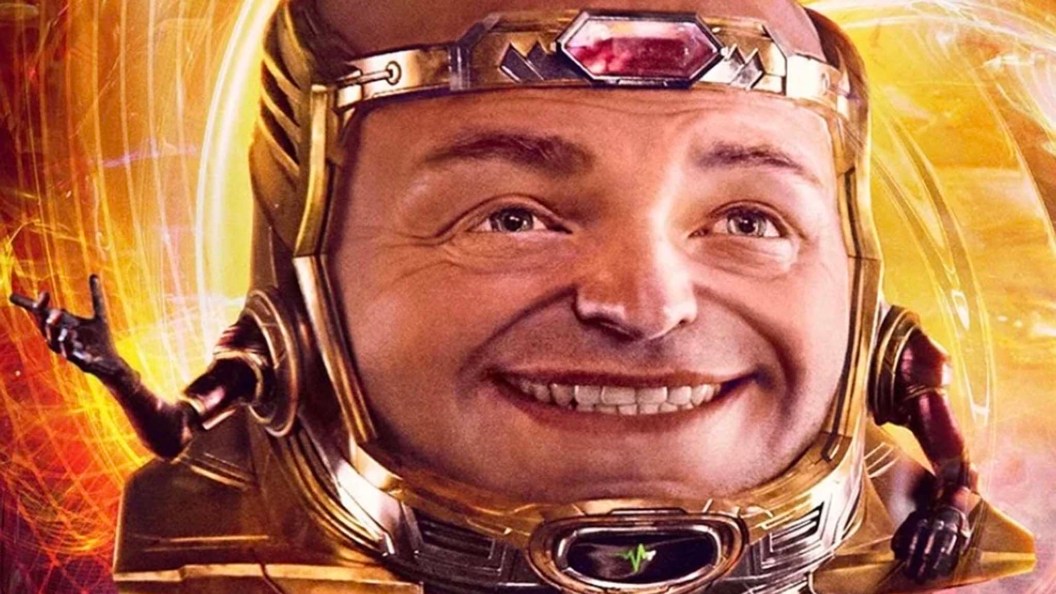
Moreover, fans expressed dissatisfaction with the portrayal of Kang, particularly how easily he was defeated, indicating a mismatch of expectations for a formidable villain. The bizarre return of Darren Cross as M.O.D.O.K. added to an already convoluted storyline, underscoring that moving too far away from what worked in the earlier installations can lead to a diminished franchise experience.
Sam Raimi's Spider-Man trilogy remains a touchstone for superhero films, but it is also marred by the less favorable reception of its last entry, Spider-Man 3. The film is often criticized for its overambitious narrative that attempted to juggle multiple villains while introducing a convoluted love subplot.
This convoluted approach led to underdeveloped characters and felt rushed, particularly in regard to Venom's inclusion. Fans often cite the infamous “emo dance” scene as a prime example of the movie's tonal imbalance, which deviated from the established character's essence. In this case, even the critiques cannot overshadow the brilliance of the first two installments, yet they draw attention to how one flawed entry can overshadow a previously successful trilogy.
Despite a rocky start with X-Men Origins: Wolverine, the franchise found its footing with The Wolverine and reached an emotional zenith with Logan. This trilogy showcases an exception to the rule, highlighting how sometimes, a character can redeem their narrative arc through subsequent films. This transformation was a response to fan expectations and production learning from past mistakes; it presents a contrasting narrative where later films enhance the overall trilogy rather than detract from it.
Logan, in particular, was received with critical acclaim and even garnered an Oscar nomination for Best Adapted Screenplay, emphasizing that character development and thematic coherence can ultimately define a trilogy's success, even when the beginning may falter.
The volatile nature of trilogies within the superhero genre demonstrates how easily a single film can derail the entire series' reputation. The experiences of the X-Men, Blade, and Spider-Man franchises illustrate a fundamental truth: a trilogy is only as strong as its weakest link. Future franchises would do well to note these lessons, understanding that audiences crave coherence, character depth, and a balanced narrative.
Ultimately, these examples serve as cautionary tales for filmmakers aiming to create lasting legacies in the superhero genre.While filmmakers should strive for originality and ambition, they must also ensure that they don’t lose sight of the groundwork laid by their predecessors.
In the context of the MCU's ongoing development, embracing careful planning could help in avoiding a repeat of the missteps that hindered previous trilogies. The journey of each individual franchise raises interesting questions about audience expectations, and how modern storytelling can navigate the pressures of cinematic universes. Each decision can significantly affect not only a franchise but the superhero genre as a whole, leading to ongoing debates about artistry versus commercialism.
As we move forward into a landscape rich with superhero narratives, filmmakers must acknowledge the gravity that one inferior installment can have on a trilogy's legacy. By learning from past franchises and focusing on coherent storytelling, character developments, and balancing fan expectations, the superhero genre can continue to thrive without being hindered by the shadows of its own mistakes. Overall, the MCU has a wealth of potential, and with it, the opportunity for redemption and growth in its storytelling approach, making future installments imperative to the journey ahead.
For more insights on the superhero landscape, check out our analysis of Zack Snyder's Potential Transition to Marvel and understand how different cinematic narratives can impact audiences. Additionally, delve into Exploring Comics that Enhanced Movie Franchises for insight into the crossover between the comic and cinematic realms.
Movie explanation
EpisodeBreakdown may use automated tools to assist research, drafting, and formatting. Published pages are governed by our editorial and corrections policies, and source links are shown when they are available in the article record.
Discovery source: ComicBook.com. The source identifies where the topic was discovered; EpisodeBreakdown is responsible for the commentary published on this page.
Reader response
Reactions and poll results are based on real reader responses. No account is required.