Box Office Analysis of Spider-Man: Brand New Day
A thorough examination of the robust box office performance of Spider-Man: Brand New Day and its cultural significance.
Uncover how comics amplify beloved movie franchises through rich stories and character depth.
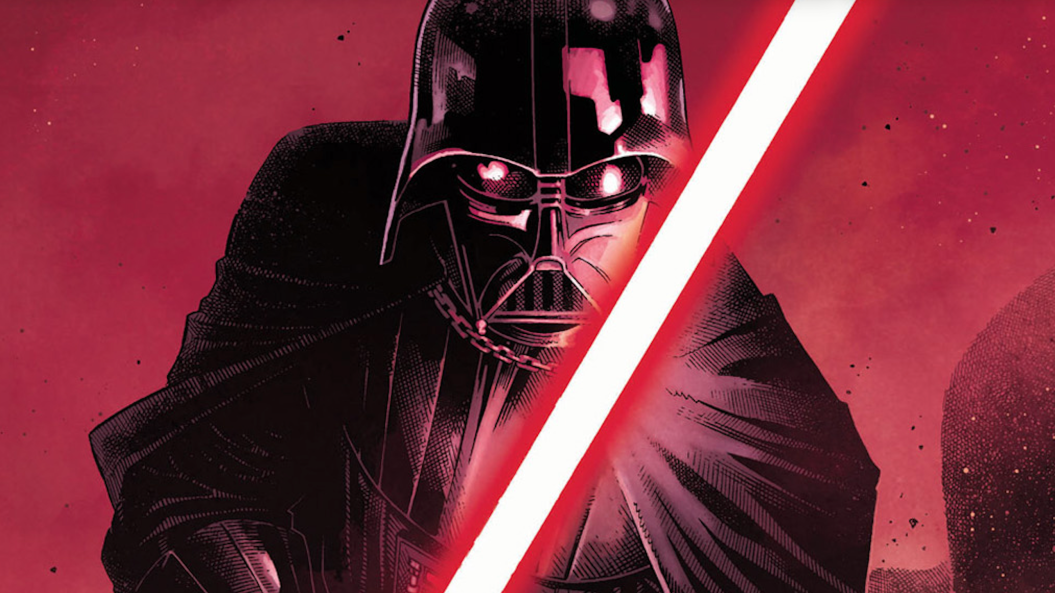
In simple terms, comic books have significantly enriched beloved movie franchises by introducing intriguing narratives and character development that often extend well beyond what’s found on screen. Many films can be praised for their riveting tales, but often the underlying mythos and universe get even deeper treatment in the comic medium. Thus, the central question arises: How do comics successfully expand movie franchises? The answer lies in the way they explore character histories, introduce new stories, and create alternate realities that capture the fans' imaginations.
What is confirmed is that the rise of the Marvel Cinematic Universe (MCU) has unveiled the symbiotic relationship between movies and comics, but it has also led to many comic series that enrich the fabric of the MCU. Comics based on films have tacked on stories that fill gaps, further explore character relationships, and even introduce new individuals who may not make it to the big screen. The interplay of these two mediums has allowed creators to experiment more freely and push characters into scenarios that provide depth or levity, characteristics not always present in their cinematic counterparts.
The 'Alien' franchise serves as a prime example of comic book adaptations providing meaningful extensions to cinematic storytelling. The original film and its sequel, 'Aliens,' set a high bar for sci-fi horror and action. Notably, stories like "Aliens: Outbreak" and "Aliens: Labyrinth" provide insights into characters like Newt and delve deeper into the Xenomorph hive structures. This transformation allows readers to contemplate chilling psychological horror as well as intense action sequences, exploring themes of survival and trauma absent from the films. While movies like 'Alien: Resurrection' diverged from what some fans appreciated, the comics revived the franchise in ways Hollywood could not, blending essential characteristics and traits of both heroism and horror.
When it comes to iconic characters, Indiana Jones stands tall among them, and the comics honoring this adventurous archaeologist offer valuable insight. Dark Horse and Marvel have successfully recaptured the essence of Indiana's pulp-adventure style, revealing a plethora of stories that delve into ancient mysteries and supernatural elements. Titles like "Indiana Jones and the Fate of Atlantis" expand his character while also addressing his complex motivations and the supernatural elements that have motivated his adventures. This multifaceted exploration gives fans a richer understanding of why Indiana Jones has remained a beloved figure in cinema for decades.
Sam Raimi’s 'Evil Dead' franchise leaves an indelible mark on horror; however, the comic adaptations are equally iconic and provide an avenue for Ash Williams' darkly comedic escapades. The comics' unique blend of horror and humor stays true to the source material while introducing crossovers that are both entertaining and unexpected. Whether battling Deadites or engaging with figures like Freddy Krueger and Jason Voorhees in crossover arcs, this comic series exemplifies how a narrative can evolve stylistically while still remaining true to its roots. This has enabled the franchise to not only maintain its core audience but also reach out to new fans.
Godzilla has transitioned from a solitary cinematic titan to a multi-faceted character in comics. Iconic stories such as "Godzilla: The Half-Century War" and "Godzilla In Hell" not only explore his monstrous stature but also position him within complex narrative frameworks that grapple with existential themes. The comic adaptations provide a narrative playground for Godzilla, pushing boundaries in ways that films sometimes cannot. This depth and versatility contribute to the broader discourse surrounding nuclear anxiety and environmentalism the character embodies, illustrating that Godzilla is not merely a monster but a commentary on humanity itself.
What remains unknown, however, is whether there will be more successful crossovers or expansions that push boundaries. The comic medium does give room for experimentation with integrations or spin-offs; stories blend unexpected genres, creating intriguing scenarios that keep audiences engaged. The large roster of characters from films like "Predator" and "Robocop" can be imaginatively recontextualized in unexpected scenarios that enrich or alter their traditional narratives fundamentally. As such, while major cinematic releases often draw audiences in droves, comic adaptations firmly solidify their relevance by exploring untapped narratives.
The relationship between movies and comics transcends mere entertainment; it reveals a confluence of ideas that enriches storytelling. By embracing comics as a valid extension of the cinematic experience, franchises can evolve and adapt, catering not only to existing fans but also drawing in new audiences. Therefore, what’s next for these beloved franchises remains to be seen, but their trajectory shows that as long as narratives are compelling, the expansions through comics will continue to flourish and resonate with audiences around the world.
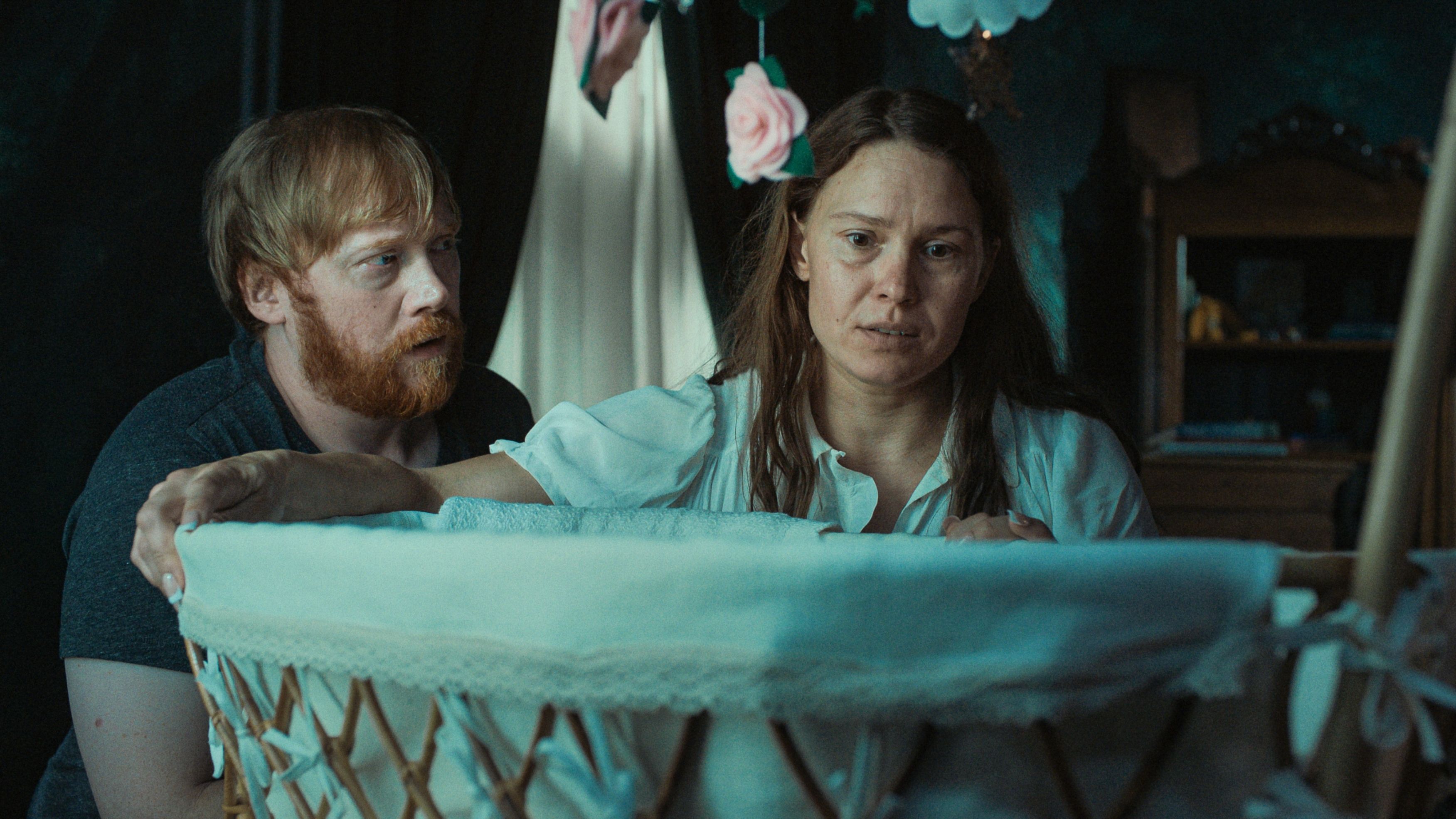
For a deeper analysis of movie storytelling and character investigations, you can also explore Nightborn Movie Analysis: Themes, Characters, and Ending Explained or take a broader look at storytelling dynamics in films with 5 Action Thrillers That Outshine John Wick.
Movie explanation
EpisodeBreakdown may use automated tools to assist research, drafting, and formatting. Published pages are governed by our editorial and corrections policies, and source links are shown when they are available in the article record.
Discovery source: ComicBook.com. The source identifies where the topic was discovered; EpisodeBreakdown is responsible for the commentary published on this page.
Reader response
Reactions and poll results are based on real reader responses. No account is required.