
Spider-Man: Brand New Day Elevates Tom Holland as Peter Parker
Tom Holland’s performance in Spider-Man: Brand New Day redefines Peter Parker, showcasing a matured superhero fighting on the gritty streets of New York.
Examining the unsettling themes and body horror of "Nightborn" and its portrayal of motherhood.
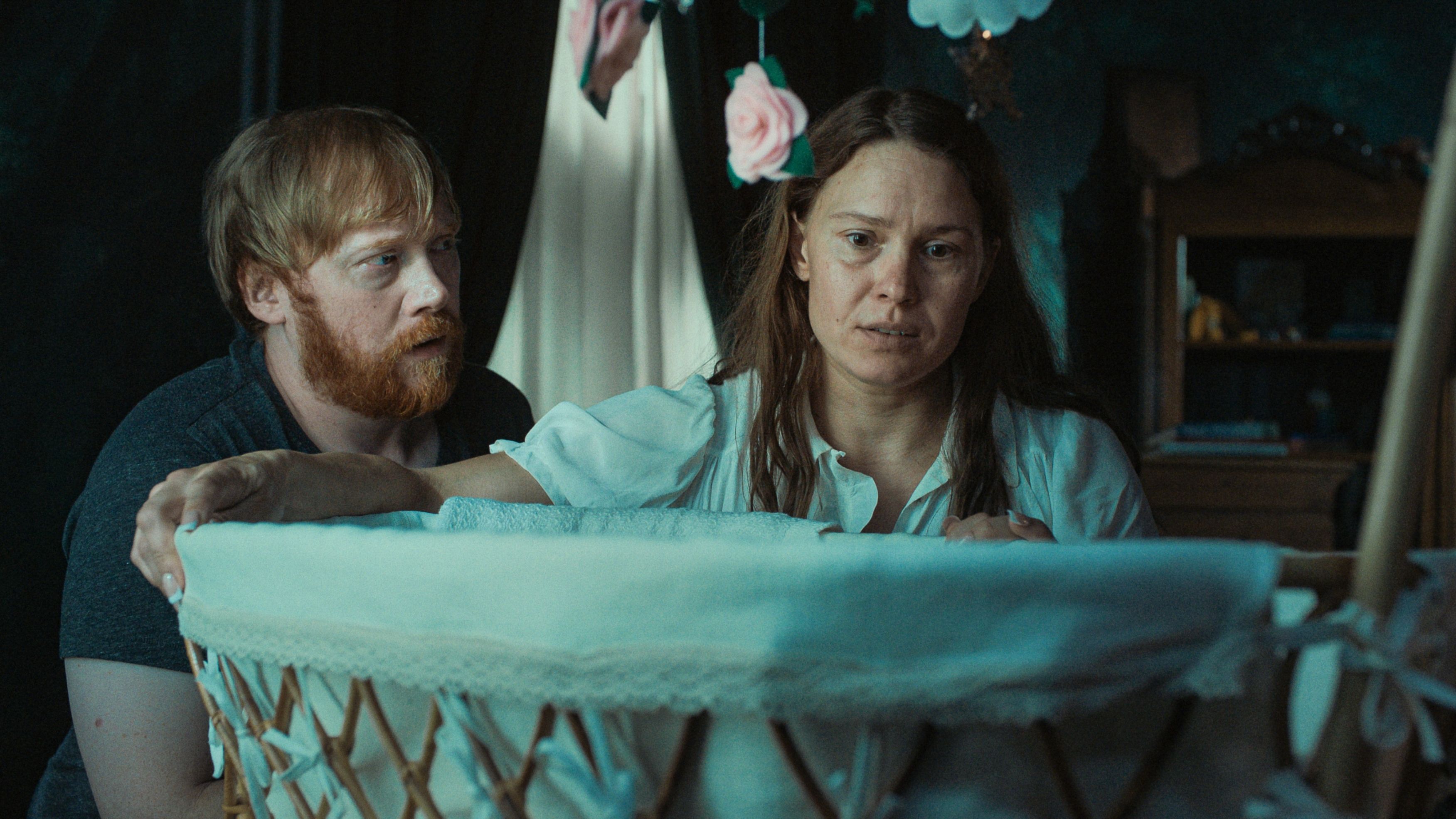
In simple terms, "Nightborn" raises the central question: What happens when motherhood becomes intertwined with horror and disconnection? The film masterfully explores this theme through an unsettling narrative that focuses on Saga, a woman grappling with her new motherhood against a backdrop of body horror. Here is what is confirmed: the film illustrates not only the physical and emotional challenges of childbirth but also the creeping sense of alienation that can accompany it.
One of the most striking aspects of "Nightborn" is its atmospheric setting. Saga’s childhood home is a character in itself—once a nurturing environment, it is now a decaying structure enveloped by the encroaching woods. This transformation serves as a metaphor for the unraveling relationship between Saga and her husband, Jon, after the birth of their son, Kuura. As the couple attempts to restore their home and marriage, the setting reflects their deteriorating foundations. The woods, filled with ancient, grotesque trees that evoke images of fertility and femininity, create an unsettling ambiance that enhances the film's horror elements.
The film’s opening sex scene, immediately followed by a harrowing childbirth sequence, draws a stark contrast between creation and destruction. It's a visceral moment, highlighting the intricacies of Saga’s experience. The sudden shift from intimacy to the violent realities of birth encapsulates the nightmare of motherhood that the film delves into. The choice to depict these two contrasting scenes together foreshadows the complex bond between Saga and her child and raises the stakes for their connection.
Upon Kuura’s arrival, Saga’s belief that something is awry with her child becomes central to the narrative. Her struggle is compounded by the film’s portrayal of the often-ignored aspects of motherhood, including physical trauma and mental health challenges following childbirth. Despite her fears and feelings of disconnection, Saga's bond with Kuura evolves into a compelling study of maternal obligation. She refers to her baby as “it,” signifying her struggle to connect, yet she remains dedicated to his care. This contradiction highlights the complexities of a mother’s love, especially amidst horror.
Despite its bleak themes, "Nightborn" deftly incorporates dark humor, reminiscent of Bergholm’s previous work, "Hatching." This balance keeps the viewer engaged and prevents the narrative from becoming overwhelmingly grim. The absurdity of Saga feeding her increasingly feral baby cow's blood is both hilarious and horrifying, exemplifying the film’s exploration of parental struggles in the face of the bizarre realities of new parenting. Jon and Saga often share knowing glances, recognizing the absurdity of their situation, which adds a layer of levity to the film’s darker elements.
Kuura, who is depicted with animalistic traits through practical effects rather than CGI, becomes a symbol of both fear and fascination for Saga. His movements and appearance feel deeply unsettling, embodying the inherent terror of motherhood. The film's choice to keep Kuura's face obscured until the finale builds suspense and enhances the horror. Throughout the film, his character raises questions about identity and the nature of motherhood—how much of a parent’s fears of their offspring are rooted in reality, and how much is a projection of their own insecurities?
Saga’s relationship with Kuura is fraught with tension as she oscillates between nurturing instincts and a growing sense of alienation. Her postpartum changes, both physical and emotional, lock her in a battle with her body and psyche. The film accurately reflects the disorienting experience of motherhood, particularly through scenes that depict Saga struggling with her changing body. Confirmed events illustrate that the postpartum experience isn’t just about the baby; it’s also about the mother’s perception of herself in this new role.
The film’s ambiguity leaves viewers questioning the nature of Kuura and the reality of Saga’s experiences. The strange finale, filled with both joy and sorrow, evokes a mix of emotions, revealing deep-seated fears about motherhood while also tracing the conceivable bond between parent and child. Despite the horrors Saga encounters, her journey leads her back to Kuura, emphasizing the inextricable link between them, even when it feels like a curse.
Overall, "Nightborn" serves as a powerful examination of motherhood framed through the lens of body horror. While it may not reach the narrative heights of Bergholm’s "Hatching," it encapsulates the complex emotions and experiences tied to new parenthood, making it a resonant watch, especially for recent mothers. The film challenges audiences to confront both the beauty and terror inherent in bringing new life into the world. The work of Bergholm solidifies her place as a daring voice in contemporary horror, making "Nightborn" a must-see for fans of genre cinema.
For a deeper dive into themes of motherhood in horror, check out our analysis on Rupert Grint's Return to Creepy Baby Stories or explore more in The Substance.
Movie explanation
EpisodeBreakdown may use automated tools to assist research, drafting, and formatting. Published pages are governed by our editorial and corrections policies, and source links are shown when they are available in the article record.
Discovery source: CBR Movies. The source identifies where the topic was discovered; EpisodeBreakdown is responsible for the commentary published on this page.
Reader response
Reactions and poll results are based on real reader responses. No account is required.