test
asdasd
Explore the complexities of ambition and failure in Anne Hathaway's miniseries on WeWork's dramatic rise and fall.
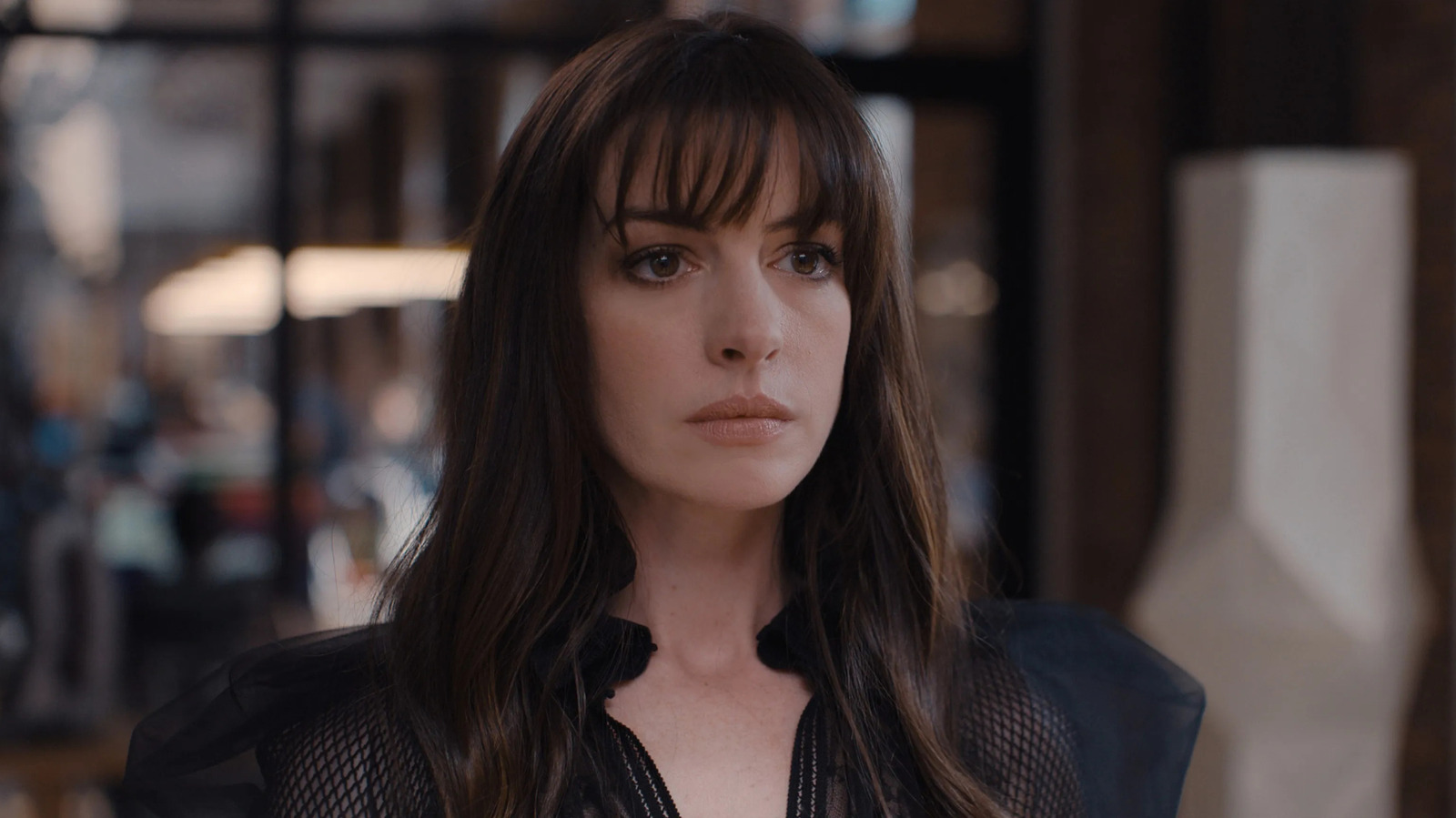
Anne Hathaway's Apple TV miniseries, "WeCrashed," recounts the rise and fall of WeWork, a company once valued at $47 billion. The eight-episode drama explores various factors that led to the company's eventual bankruptcy in 2023, including its unique corporate culture and operational challenges.
WeWork was founded in 2010 by Adam Neumann and Miguel McKelvey in Chicago, designed to cater to freelancers and companies through co-working spaces. By 2014, WeWork's valuation soared to $5 billion, gaining attention from investors eager to support its growth. However, by 2019, investor excitement escalated its worth to $47 billion even as the company struggled with significant revenue losses leading up to its attempt to go public.
Neumann faced criticism over his leadership style, which was marred by allegations of self-dealing. The onset of the COVID-19 pandemic further strained WeWork's finances as remote work surged, culminating in its bankruptcy filing in 2023, when it was valued at approximately $44.5 million.
In "WeCrashed," Hathaway portrays Rebekah Neumann, WeWork's Chief Brand and Impact Officer. Critics note her compelling performance, highlighting the complexities of her character, often overshadowed by her husband's success, yet pivotal to the company's marketing and growth strategies. This portrayal urges viewers to rethink how narratives surrounding women in influential partnerships are constructed.
The miniseries captures the frenetic energy of startup culture in the 2010s, with characters embellishing their ambitions. Adam Neumann's grand visions, such as elevating humanity's consciousness through shared workspaces, reflect deeper concerns about corporate identity, valuing optics over meaningful outcomes. Critics compare WeWork's trajectory with other supposed disruptors, such as Uber and American Apparel, which similarly suffered from inflated self-images that cloaked underlying dysfunction.
Upon its release in March 2022, "WeCrashed" received a mixed reception, holding a 65% approval rating on Rotten Tomatoes. Most reviews praised Hathaway's performance, while others questioned the show's narrative necessity given its proximity to real-life events. Jared Leto’s portrayal of Adam Neumann was recognized for its duality, balancing charisma with narcissism, reflective of the broader dynamics within the venture capital-driven startup ecosystem.
The miniseries not only chronicles WeWork's fate but serves as a broader commentary on the tech industry's culture. Allegations of a toxic work environment, including sexual harassment claims, illuminate challenges that prioritize allure over ethical practices in corporate settings. This narrative resonates with the experiences of millennial and Gen Z workers navigating through the gig economy, underscoring the need for reflections on past failures.
Hathaway's performance and the series' themes extend beyond WeWork. For those drawn to stories of corporate failures, productions like “Super Pumped” and documentaries on the Fyre Festival reveal similar reflections on ambition gone awry in the tech industry.
Ultimately, "WeCrashed" illustrates the perils of unfettered ambition and the fleeting nature of success in the tech industry. While Hathway’s performance remains a highlight, the miniseries raises crucial discussions about the embedded value systems in startup culture and what can be learned from WeWork's downfall. As audiences consider these lessons, the broader implications for emerging ventures become ever more relevant.
Episode breakdown
EpisodeBreakdown may use automated tools to assist research, drafting, and formatting. Published pages are governed by our editorial and corrections policies, and source links are shown when they are available in the article record.
Discovery source: Slashfilm. The source identifies where the topic was discovered; EpisodeBreakdown is responsible for the commentary published on this page.
Reader response
Reactions and poll results are based on real reader responses. No account is required.