Rediscovering 2000s Psychological Thrillers: Hidden Gems
Explore overlooked psychological thrillers from the 2000s, analyzing their themes and character choices.
Discover why the climactic scene in Back to the Future remains unmatched in sci-fi cinema after over 40 years.
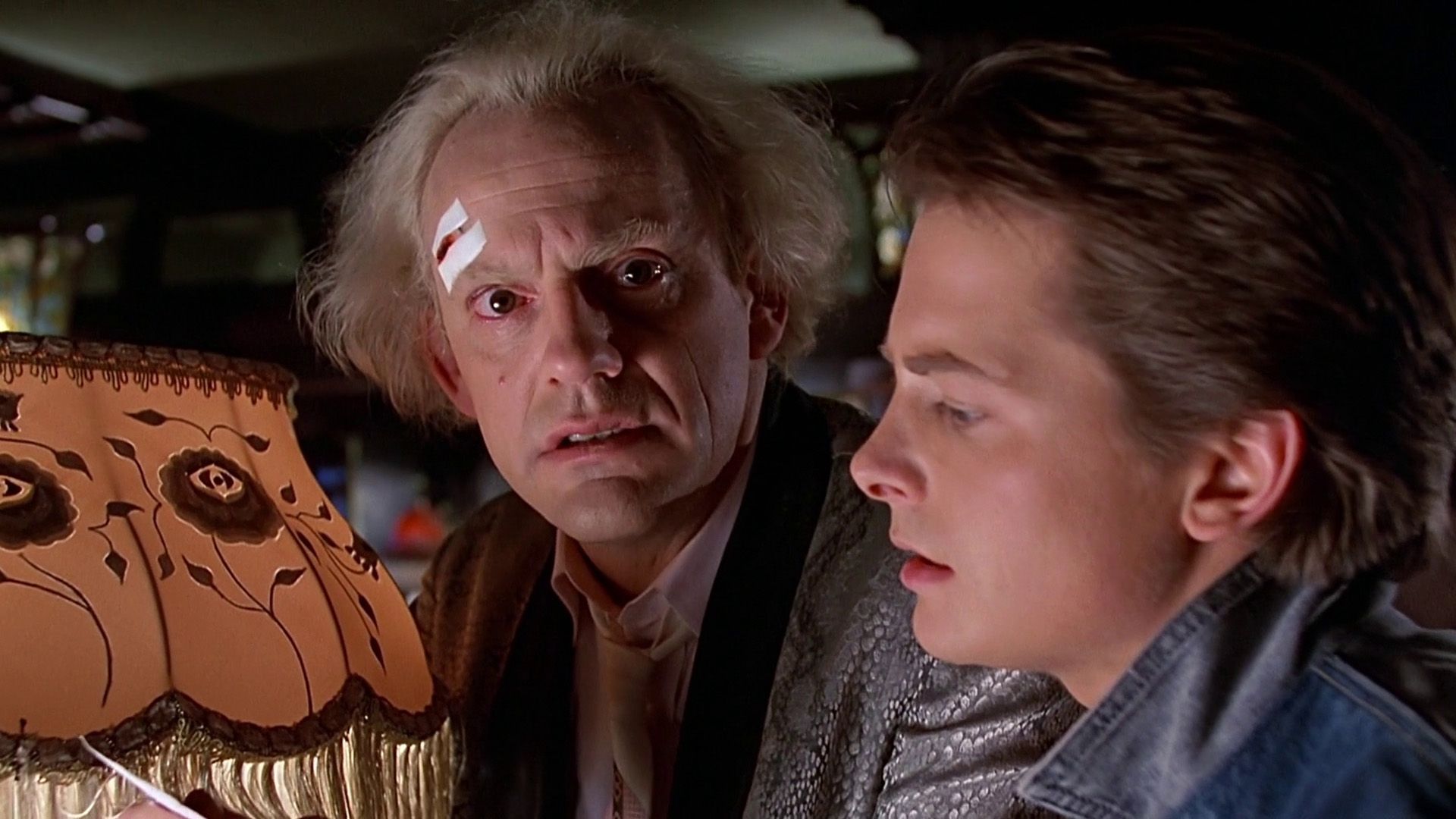
In simple terms, the most iconic scene in Back to the Future not only captures the essence of time travel but also illustrates the deeper themes of growth, risk, and emotional connection. The central question is: How does the climax of this film set up future narratives while allowing for character development? The answer lies in understanding the intricacies of the scene’s design and emotional stakes, which resonate so powerfully even today.
The Tension-Building Elements of the Climax
The climax unfolds as Marty McFly races against time to harness a lightning strike to power the DeLorean back to 1985, while Doc Brown works feverishly to repair a circuit. Confirmed events include Doc’s meticulous planning, Marty’s attempts to navigate 1955 without altering history, and the ever-looming deadline created by the clock tower's lighting strike. The film's masterful editing escalates the urgency, blending comedic relief with high stakes.
A Carefully Structured Narrative
The tension escalates through a series of intricately linked events. After an unexpected mishap—a fallen tree branch disrupts the established plan—Marty must act quickly to save both himself and Doc. The film expertly employs dramatic irony; the audience knows what must happen, yet the direction, pacing, and Alan Silvestri’s score transform this certainty into an exhilarating experience. Audiences are kept on the edge of their seats as they witness the characters wrestle with seemingly impossible odds.
Character Decisions Drive the Story
Marty's interactions throughout the climax reveal his growth from a carefree teenager to a young adult willing to confront the responsibilities of his actions. His emotional farewell to Doc embodies the film’s central themes relating to friendship and responsibility. Doc Brown, the eccentric but wise scientist, symbolizes the balance of intellect and intuition, as he grapples with the ethics of time travel. Their respective journeys highlight contrasting perspectives on fate, as Marty learns the value of courage while Doc remains skeptical of tampering with time.
The Emotional Impact of the Final Moments
As the lightning strike approaches, the film brilliantly orchestrates the climax by interspersing moments of realization with comic timing. Confirmed events right before they return to 1985 include Doc's concern that knowledge of the future could alter their timelines. The emotional stakes reach a zenith as Doc's destruction of the letter foreshadows the eventual outcomes that follow in the sequels, illustrating a commitment to the integrity of their experiences rather than future knowledge.
The Satisfying Conclusion of a Complex Journey
Marty's successful return to 1985 is celebrated with a mix of relief and newfound understanding, as he arrives in time to prevent his beloved mentor’s death. This moment is not just a resolution for the characters; it marks a thematic evolution for the film itself. The film closes on the poignant line delivered by Doc: "Where we're going, we don't need roads," encapsulating the film’s embrace of uncertainty and adventure. This phrase resonates deeply in the context of their journey and affirms the film's fundamental message: the future is inherently unwritten.
Influences Beyond the Original Film
Back to the Future serves as a model for many subsequent sci-fi films and series aiming to balance narrative complexity with character depth. The idea that timelines can shift and evolve is further explored in the sequels, where Doc’s earlier caution about time travel begins to dissolve. The eventual arc leading to Doc’s acceptance of his children with a woman from the past further illustrates how the characters break free from the constraints of their initial beliefs.
What this means is that the climax of Back to the Future does more than just resolve the immediate narrative conflicts—it encapsulates the themes of growth, the intertwining of fate and choice, and deep emotional bonds that elevate it above other sci-fi films. The blend of humor, tension, and heartfelt moments solidifies its reputation as one of the greatest climaxes in cinematic history. The film is not only a nostalgic adventure but also an optimistic reminder of the transformative power that friendship and courage can have on one’s life.
For those interested in exploring character transformations or narrative structures similar to Back to the Future, consider checking out Examining the Best Horror Films Since 2000, which delves into character arcs, or Navigating the Future of Outfest: A New Era for L.A.'s LGBTQ+ Film Festival for insights on evolving narratives in film culture.
Movie explanation
EpisodeBreakdown may use automated tools to assist research, drafting, and formatting. Published pages are governed by our editorial and corrections policies, and source links are shown when they are available in the article record.
Discovery source: CBR Movies. The source identifies where the topic was discovered; EpisodeBreakdown is responsible for the commentary published on this page.
Reader response
Reactions and poll results are based on real reader responses. No account is required.