test
asdasd
BAKI-DOU's resurrection of Musashi Miyamoto blends real science and supernatural elements, providing an intriguing narrative twist.
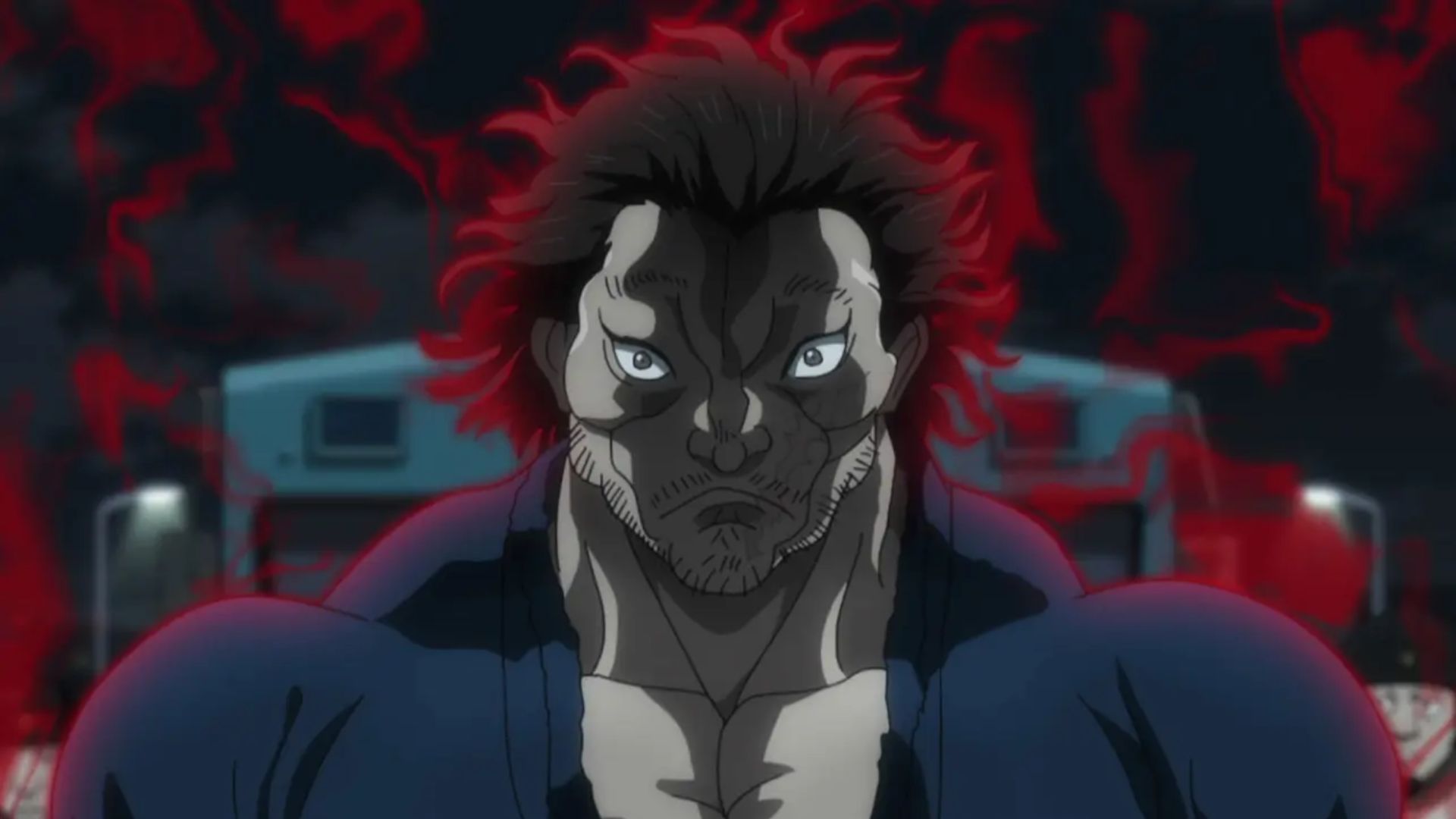
In simple terms, BAKI-DOU's audacious twist involving the resurrection of legendary swordsman Musashi Miyamoto is intricately grounded in real scientific principles. As the story unfolds in the Musashi Miyamoto arc, the creators utilize themes ranging from regenerative medicine to cloning. This unique approach intertwines with elements of the supernatural, delivering a captivating narrative while maintaining a connection to real-world scientific discourse.
The resurrection of Musashi Miyamoto marks a pivotal moment in the BAKI franchise, known for its extraordinary action sequences and larger-than-life characters. According to Yuki Yokoi, the manga’s editor, this decision was a collaborative effort to maintain the integrity of the series. Rather than going full science fiction and risking disconnection from the audience, the team made a conscious effort to base Musashi’s return on existing scientific research.
Yokoi elaborated that during the brainstorming phase, they explored various scientific resources, including studies on regenerative biology and cloning technologies. The team sought to find a plausible means through which Musashi could return without breaking the narrative bond established throughout the series' long history. The focus on scientific accuracy—albeit with a sprinkle of fiction—allowed fans to accept this monumental twist with some degree of belief.
The groundwork for Musashi’s revival stems from advances in regenerative medicine, particularly involving induced pluripotent stem cells (iPS). Developed by Nobel Prize winner Shinya Yamanaka, these cells can differentiate into various types of tissue, thus bolstering the premise that Miyamoto could be brought back using DNA extracted from his remains. While the methodology employed in BAKI-DOU may not stand up to the scrutiny of rigorous scientific evaluation, it grounds the story in familiar territory, making it less of a leap for fans.
However, the manga recognizes the limitations of science. While cloning technology offers a way to physically resurrect Musashi, it does not account for the complexities involved in restoring his identity or consciousness. This gap allowed for the introduction of Sabuko Tokugawa—a psychic character who links Musashi's resurrected body with his soul.
Sabuko serves as a bridge between the realms of scientific resurrection and spiritual revival. Her ability to reach out to souls and invoke them ensures that Musashi is not only physically present but also retains a semblance of his historical identity and motivations. By blending these two elements, BAKI-DOU expertly navigates the thin line between realism and the fantastical.
Yokoi highlights how this character fulfilled the narrative need to address what cloning cannot resolve: the essence of one’s past life. This blend of biological and mystical frameworks not only amplifies the intricacy of the storytelling but also resonates more deeply with fans who have followed the intricacies of the series for decades.
Translating Musashi Miyamoto’s character and swordsmanship into the animated medium introduced another layer of complexity. Takayoshi Aso, producer of BAKI-DOU: The Invincible Samurai, noted that the very nature of sword fighting differs from traditional hand-to-hand combat usually depicted in the series. With a single stroke capable of determining life or death, their goal was to capture this heightened tension and gravity through animation.
To this end, the production team focused on employing contrasts in movement pacing. This approach highlighted the sudden burst of speed and the stillness that precedes crucial moments in battle, aiming to convey the disturbing potency that Musashi embodies. Each frame was meticulously crafted to reflect the original manga's energy while ensuring that the animation remained engaging and fluid.
What makes BAKI-DOU’s approach particularly compelling is its clear distinction between scientific and supernatural elements. While the resurrection methodology borrows from science, the manga isn’t shy to acknowledge that deeper spiritual arcs exist, represented by characters like Sabuko. This layered narrative fosters a unique storytelling dynamic that grabs viewers’ attention while allowing them to grapple with both the realism and mystique present in the series.
This careful balancing act mitigates the risk of alienating fans who cherish the exaggerated, yet grounded nature of the BAKI universe. By recognizing the limitations of science and craftily weaving in supernatural elements, the story remains exciting without losing the essence that originally captivated its audience.
The infusion of real science into BAKI-DOU isn’t merely a one-off gimmick; it reflects a long tradition within the series of examining physical prowess through the lens of real-world principles. For fans interested in how BAKI explores complex themes, the following guides provide additional context:
The successful resurrection of Musashi Miyamoto in BAKI-DOU stands as a testament to the creativity and thoughtfulness of its creators. By interweaving real scientific narratives into a setting largely known for its fantastical characterizations, they not only expand the world-building of BAKI but also enrich the viewer's experience. Ultimately, while some aspects remain speculative or open to interpretation—particularly concerning the resurrection of Musashi's consciousness—the duality of science and the supernatural successfully captivates an evolving audience.
As BAKI-DOU continues to push the boundaries of storytelling within the manga and anime realms, its well-grounded yet imaginative approach invites viewers to delve deeper, blending excitement with thoughtful reflection on what it means to revive a legend.
Story breakdown
EpisodeBreakdown may use automated tools to assist research, drafting, and formatting. Published pages are governed by our editorial and corrections policies, and source links are shown when they are available in the article record.
Discovery source: CBR Anime. The source identifies where the topic was discovered; EpisodeBreakdown is responsible for the commentary published on this page.
Reader response
Reactions and poll results are based on real reader responses. No account is required.