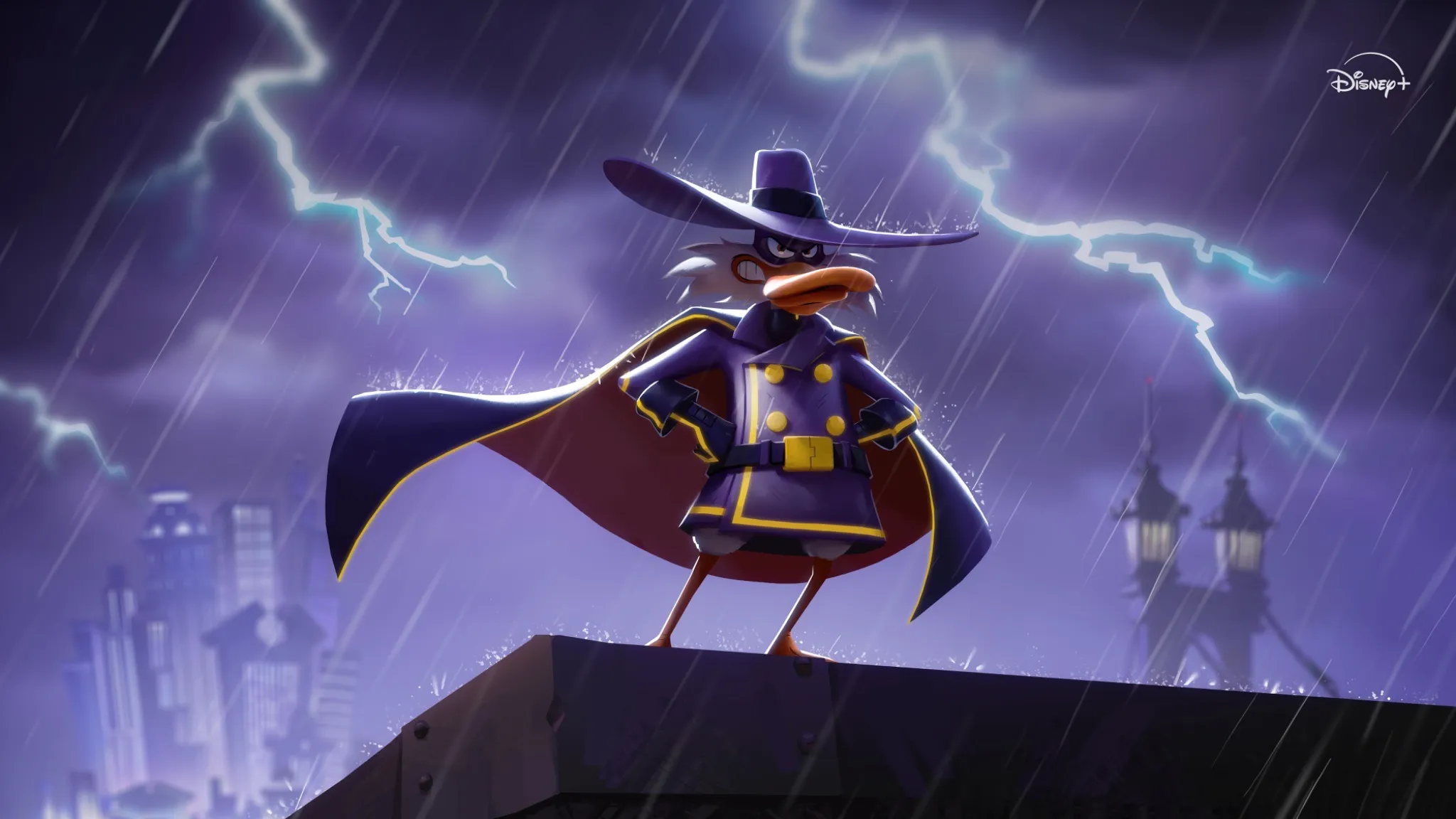
‘Darkwing Duck’ Reboot Ordered to Series at Disney+
Disney+ has officially ordered a reboot of ‘Darkwing Duck’ to series, featuring a star-studded voice cast, including Mark Hamill and Seth Rogen.
Batman: The Animated Series premiered 34 years ago, changing superhero cartoons forever by setting a new genre standard.
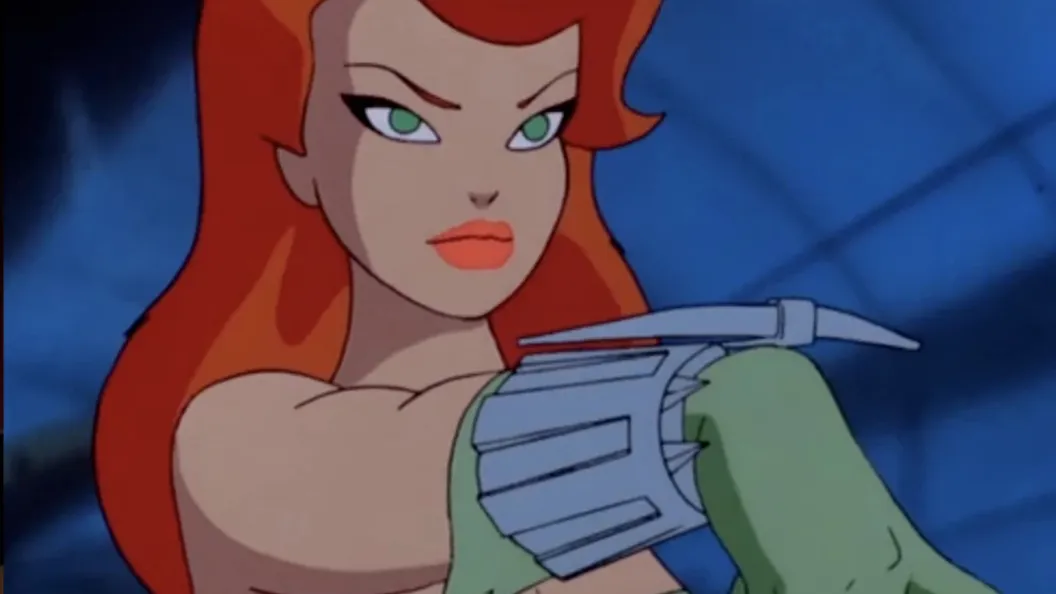
34 years ago, Batman: The Animated Series debuted, a groundbreaking show that set new benchmarks for superhero animation. Released by Warner Bros Animation, this iconic series was crafted under the vision of Bruce Timm and Eric Radomski. Its launch marked a significant turning point in the portrayal of superhero stories on television.
Previously, superhero cartoons adhered to established norms from children's action-adventure genres. However, Batman: The Animated Series boldly strayed from these conventions. By incorporating elements directly from DC's comic books while maintaining the foundations of animation, it redefined what superhero animation could achieve. According to ComicBook.com, this innovative approach not only distinguished the show but also influenced future classics such as X-Men: The Animated Series and Ultimate Spider-Man, allowing them to enjoy lasting popularity.
One of the series' most notable achievements is its profound understanding of visual storytelling, which mirrored comic book artistry. Rather than relying on the fluid transitions common in cartoons, it embraced the stark, shadowy atmosphere of Gotham City. This was accomplished through deliberate framing and the clever arrangement of visual elements, creating an experience that ingeniously resembled an animated comic strip. The result was a deeply immersive style that captivated audiences.
Batman: The Animated Series also innovated in character development, providing a nuanced portrayal that elevated the superhero genre. The show explored the daily lives and moral dilemmas faced by its characters, allowing viewers to connect with their struggles. The depth granted to figures like Batman, The Joker, and Harley Quinn added layers that surpassed traditional heroic narratives. As noted by ComicBook.com, this multifaceted storytelling enriched the characters and enabled audiences to explore their motives, making each conflict feel consequential and relatable.
With its exceptional visual language, intricate character dynamics, and shifting moral narratives, Batman: The Animated Series became a prototype for future superhero animations. Its success has paved the way for subsequent animated shows, establishing a template that resonates through time while emphasizing the depth and engagement that modern audiences expect. The craftsmanship involved in its writing and artistry remains unmatched, securing its status in pop culture.
The impact of Batman: The Animated Series is profound, as it fundamentally reshaped the landscape of superhero storytelling in animation. Its legacy continues to resonate in contemporary animated series, which strive to meet the high standards it established while infusing their own creative narratives. With viewers' expectations set by this classic, future animated iterations of superhero tales are likely to focus on greater character complexity and moral ambiguity, remaining in line with the influential legacy of this seminal series.
For more insights into the lasting influence of Batman: The Animated Series, check out these articles on 10 Best DC Animated Shows and how Batman: The Animated Series set new genre standards.
Entertainment news
EpisodeBreakdown may use automated tools to assist research, drafting, and formatting. Published pages are governed by our editorial and corrections policies, and source links are shown when they are available in the article record.
Discovery source: ComicBook.com. The source identifies where the topic was discovered; EpisodeBreakdown is responsible for the commentary published on this page.
Reader response
Reactions and poll results are based on real reader responses. No account is required.