Exploring Spider-Man: Brand New Day's Emotional Ending
This analysis delves into the ending of Spider-Man: Brand New Day, exploring the implications of Peter Parker's choices and the potential for memory recovery.
A deep dive into the intriguing character of Rose and Thorn in Batman: Caped Crusader, exploring her unique role and dark themes.
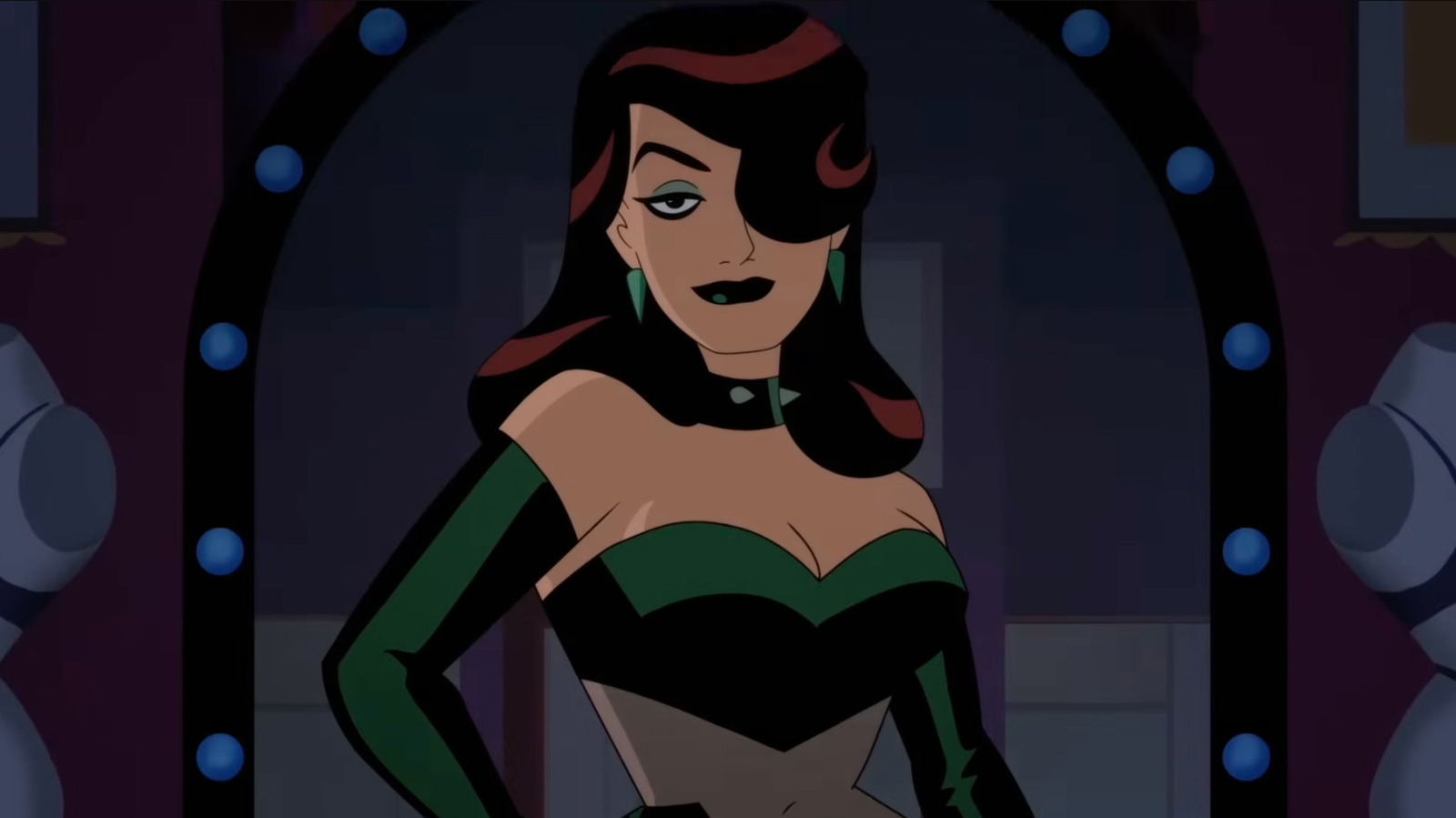
In simple terms, the central question of the latest season of Batman: Caped Crusader is: How can the series successfully introduce unique villains while avoiding overused tropes? The introduction of Rose and Thorn as a major character offers a fresh perspective, demonstrating that even lesser-known figures from the comics can hold their own in a significant narrative space.
What happened is that the show's creators took a bold step by incorporating Rose and Thorn, a character unfamiliar to many casual fans. Instead of relying on the well-trodden path of classic villains like Poison Ivy, the series presents a compelling story about duality, vengeance, and transformation, adding depth to the character choices and overall plot.
One of the fascinating aspects of Rose and Thorn is her dual identity, which serves as a metaphor for internal conflict. Rose Canton, the original version from the comics, displays contrasting personalities that highlight the struggles of someone caught between innocence and darkness. The animated series capitalizes on this by giving viewers a multifaceted character whose emotional journey is central to the plot.
In this adaptation, Rose is depicted as the daughter of a murdered flower shop owner, which establishes her motive for vengeance. As her alter ego, Thorn emerges from the brokenness of Rose's heart, a representation of how trauma can lead one to adopt darker personas in pursuit of justice. This reflects broader themes of redemption and transformation, where anger and loss catalyze a shift from innocence to rage.
The choice to feature Rose and Thorn instead of more popular characters, like Poison Ivy, is strategic. It demonstrates the series' commitment to revamping the Gotham rogues gallery in unexpected ways. For instance, while Poison Ivy has been primarily characterized by her allure and eco-terrorism, Rose and Thorn bring a fresh take on villainy through their emotional depth and tragedy. This departure from conventional portrayals allows for new storytelling possibilities.
Moreover, in this narrative, Thorn suppresses her vulnerabilities to manipulate Eddie Nygma, the Riddler. The fact that she seduces him while planning his downfall underscores a primary theme of deception and betrayal. This adds a layer of complexity to their relationship, moving it beyond mere villainy into a psychological game where trust is ultimately a weapon.
The depiction of Eddie Nygma in Caped Crusader also stands in contrast to his traditional characterization as a genius obsessed with puzzles. Instead, he’s reimagined as a ruthless gangster, whose connection to Thorn emphasizes the darker sides of ambition and obsession. As someone who violently ridicules his opponents, Nygma's character arc raises questions about morality and the human capacity for evil.
In the turning point of the story, Nygma's downfall is directly tied to Thorn's manipulations, indicating that even the most seemingly invulnerable characters are at the mercy of others' desires. When Thorn finally reveals her true intentions, it resonates not only with Nygma’s fate but also with the themes of empowerment and vengeance present in her journey.
In terms of confirmed events, Rose and Thorn’s emergence in Episode 7, titled "Her Dark Reflection," marks a significant escalation in the series' plot. The episode illustrates how Thorn uses her duality to draw Nygma into a false sense of security before orchestrating his demise. The interpretation lies in the viewer's understanding of how trauma can transform individuals into both heroes and villains. Thorn's journey exposes how loss and betrayal birthed a character that is both sympathetic and decidedly dangerous.
As the episode progresses, Thorn's plan culminates in a betrayal that serves several narrative purposes. Not only does it resolve the immediate threat posed by Nygma, but it also reaffirms the complex nature of vengeance. The conclusion of the episode leaves the audience pondering whether Thorn is justified in her actions or simply perpetuating a cycle of violence. This deliberation reflects broader themes throughout the Caped Crusader, showcasing how personal loss can affect moral choices and sow seeds of chaos.
The introduction of Rose and Thorn signifies a refreshing shift within Batman: Caped Crusader, focusing on the emotional landscapes of its characters to create darker, more engaging storytelling. As the series continues to explore these themes, viewers can expect further character explorations that challenge traditional narratives, showcasing how lesser-known characters can offer profound insights into the human condition.
For those interested in other character transformations, consider exploring the Marvel's Wonder Man Cancellation article that discusses similar theme shifts within comic adaptations. Additionally, Spider-Man: Brand New Day explores missed opportunities in character crossover dynamics that could be likened to the bold choices found in Caped Crusader.
Overall, expect Batman: Caped Crusader to delve deeper into the complexities of its characters, revealing layers that make Gotham’s underbelly not just a battleground of physical prowess but a psychological landscape filled with intriguing narratives and moral dilemmas.
Movie explanation
EpisodeBreakdown may use automated tools to assist research, drafting, and formatting. Published pages are governed by our editorial and corrections policies, and source links are shown when they are available in the article record.
Discovery source: Slashfilm. The source identifies where the topic was discovered; EpisodeBreakdown is responsible for the commentary published on this page.
Reader response
Reactions and poll results are based on real reader responses. No account is required.