Session 9
How the Heated Rivalry Fanbase Is Impacting Society Positively
Exploring the remarkable impact of the Heated Rivalry fandom through charitable efforts and community-building actions.
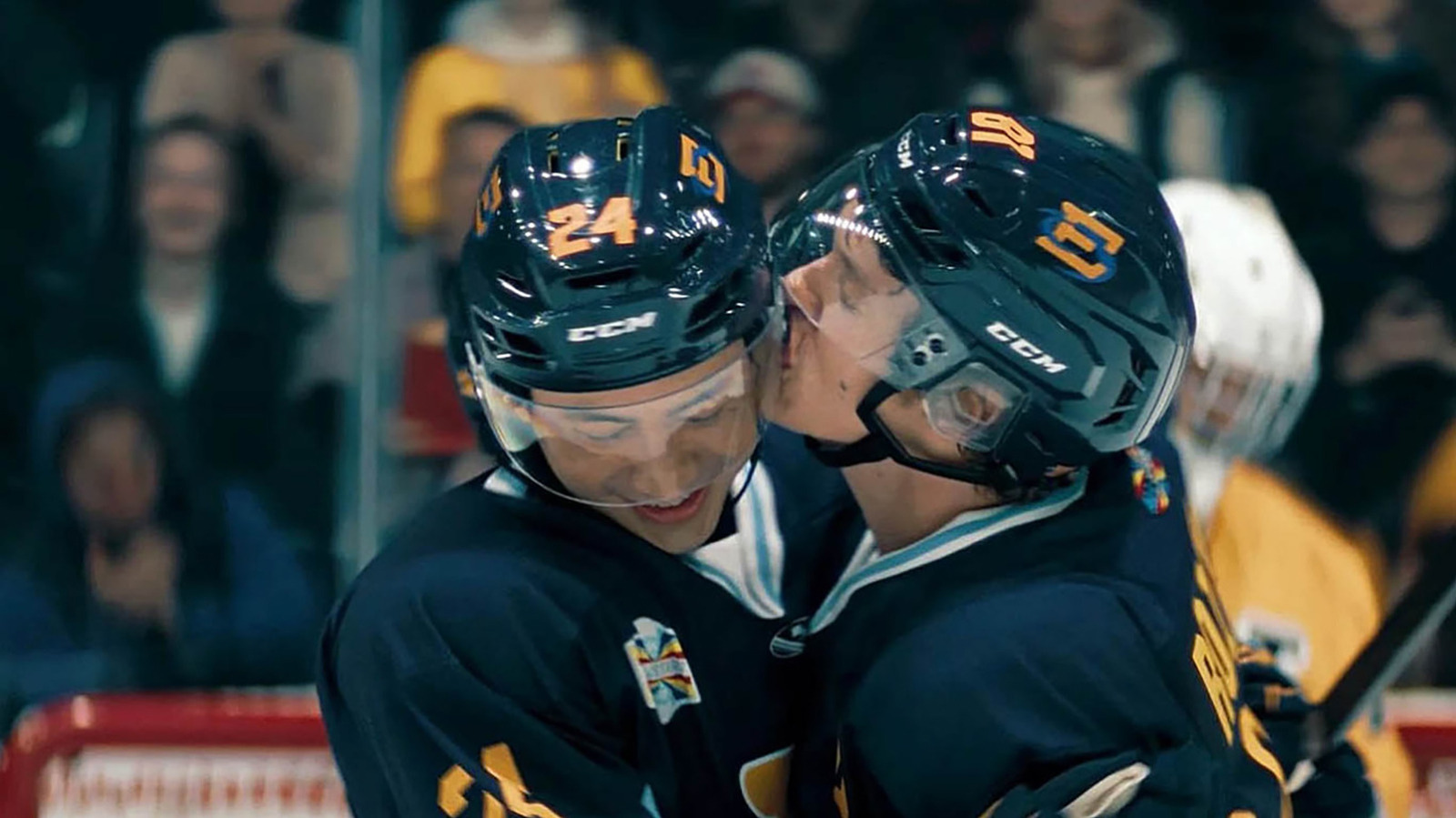
Exploring the remarkable impact of the Heated Rivalry fandom through charitable efforts and community-building actions.
In simple terms, the fandom behind the show "Heated Rivalry" is transforming their enthusiasm into tangible positive actions. While often misunderstood due to the presence of toxic elements in many fan communities, this particular group has engaged in grassroots fundraising initiatives that reflect core themes in the show, including mental health and LGBTQ+ advocacy. The central question regarding the narrative of fandom—can it truly contribute positively to society?—is resoundingly answered with a definitive yes.
The cultural phenomenon catalyzed by Jacob Tierney's adaptation of Rachel Reid's popular book series has ignited a wave of community engagement resulting in significant charitable contributions. Unlike many other online fanbases, where toxicity often overshadows genuine enthusiasm, the Heated Rivalry fanbase exhibits a collective compassion that challenges the traditional narrative surrounding internet fandoms.
What makes this fandom unique is its origin story, rooted in the themes of love and identity present in Reid's narrative. As fans flocked to the show, they realized their passion could wield real-world impact. Confirmed reports indicate that within just a year, these fans have raised impressive sums for various charities. This mirrors historical precedents set by passionate fan communities such as the Snyderbros and Potterheads, known for leveraging their fandom into fundraising campaigns, showcasing how fandom can be a platform for social good.
One of the standout events was a fundraiser led by Jessica, alongside other community members, who initiated a campaign for mental health awareness coinciding with a character's birthday in the show. This organic initiative underscores how the fandom's shared love for the characters translates into actionable support for real-life causes. Donations poured in from around the world, demonstrating that the community does not just consume content; they embody its values in their daily lives.
It’s important to note that while the fanbase does include less savory elements, the majority of their efforts focus on nurturing connections and supporting meaningful causes. Numerous campaigns have emerged, with fans organizing trivia nights and special events, translating their love for the series into hundreds of thousands of dollars raised for advocacy organizations. Confirmed figures reveal that over $555,000 has been contributed to various charities associated with mental health resources and LGBTQ+ rights, emphasizing the depth of this movement.
For instance, a fundraiser orchestrated for the Trevor Project, which supports LGBTQ+ youth, generated substantial amounts reflecting the core themes of love and acceptance central to the show's narrative. By centering charity as part of their passionate engagement with the series, fans challenge the notion that fandom must be trivial or harmful.
Fans have drawn connections between the show's characters and real-life issues affecting members of the LGBTQ+ community, further intensifying their commitment to social causes. A particular fundraising effort raised over $40,000 for organizations like The Trevor Project and the National Alliance on Mental Illness (NAMI), echoing the struggles faced by characters within the show. This poignant connection between fiction and reality reinforces the narrative that fandom is not merely an escape from reality but a platform for fostering significant social impact.
Furthermore, collaborations within the fan community reflect a collective spirit. Group organizers, like Farrah Sanjari, have been pivotal in tracking donations, ensuring transparency and accountability, which speaks to the organized nature of their philanthropy. This detailed approach exemplifies how fandom can serve as a form of collective activism, merging passion with purpose.
Against a backdrop of cynicism towards fandoms, the success of the Heated Rivalry community raises questions about the portrayal of enthusiastic fan engagement. Critics often highlight the few toxic elements within fandoms while ignoring the broader positive impact. This community actively combats negative stereotypes by showcasing their generosity and kindness.
This pushback against prevailing narratives is crucial; it emphasizes that expressions of enthusiasm, especially within marginalized groups, should not be dismissed as trivial or obsessive. Instead, the Heated Rivalry fandom illustrates how a deep connection to art can foster empathy, create solidarity, and eventually result in action benefiting those in need. Authors and supporters, such as Tiffany Langston, advocate for stories like this to receive more acknowledgment in mainstream narratives, pushing against the tide of undervaluation of fan experiences.
The recent successes of the Heated Rivalry fanbase reflect a broader cultural moment where fans seeking representation and community are finding their voices. Like the fan communities surrounding other iconic franchises, their actions resonate beyond mere entertainment, reinforcing the idea that fandom can inspire connection, creativity, and humanitarian efforts. Organizations like You Can Play aim to eliminate homophobia in sports, and funds have been routed digested through fan-driven initiatives, demonstrating the immediate community impact.
As this trend continues, we see fandoms embracing their roles as change agents in society. The heated rivalry of the show's characters, Shane and Ilya, has become a symbol of hope, encouraging fans to channel their passion into social action. Rather than a mere performance of fandom, this demonstrates a richer, engaged community ready to spearhead change.
The narrative unfolding around the Heated Rivalry fanbase sends a powerful message about the potential for fandom to foster positive social change. As fans continue to intertwine their community with meaningful initiatives, we witness the tangible benefits of what happens when people unite around shared interests. Fandom, in this case, transcends the screen; it cultivates a movement grounded in charity, support, and advocacy for vital causes.
This cultural shift calls for a reevaluation of how fandoms are perceived in society, encouraging inclusivity and amplifying voices often marginalized in discussions about enthusiasm and community dynamics. Understanding the complexities of such fandoms reminds us that even in a digitally driven world, real connections can yield real-world change, an ideology that the Heated Rivalry fanbase represents profoundly.
For related explorations of how fandom impacts society, consider reading about Marvel's Kevin Feige on Fan Reactions to Avengers, or the cultural reflections seen in the Evolution of Max Cady in Cape Fear.
Movie explanation
EpisodeBreakdown may use automated tools to assist research, drafting, and formatting. Published pages are governed by our editorial and corrections policies, and source links are shown when they are available in the article record.
Discovery source: Slashfilm. The source identifies where the topic was discovered; EpisodeBreakdown is responsible for the commentary published on this page.
Reader response
Reactions and poll results are based on real reader responses. No account is required.
A deep dive into 'Session 9,' its themes of madness, and legacy 25 years later.