Godzilla
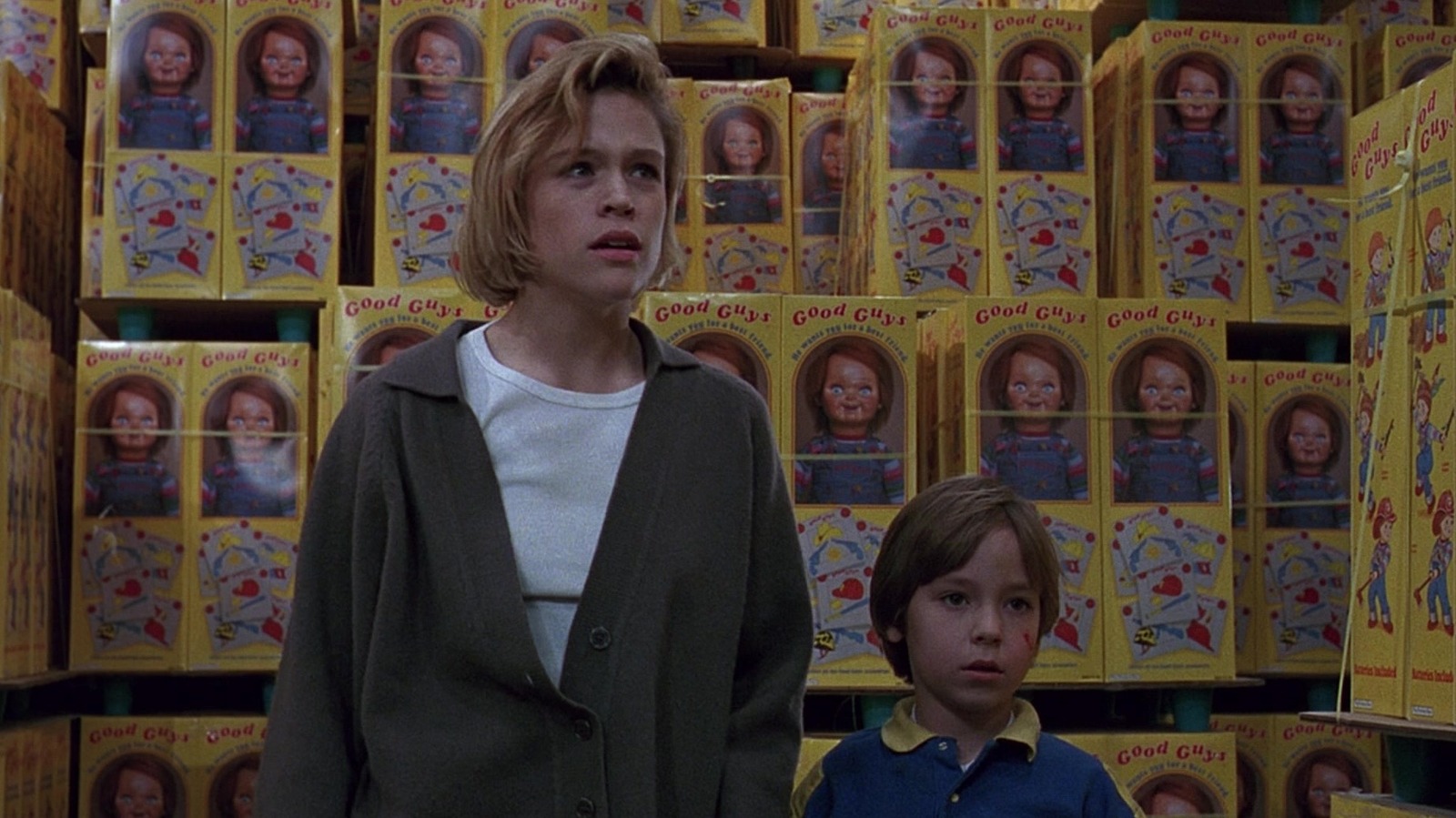
Exploring the Child's Play Franchise on Netflix
Dive into the themes, character choices, and plot developments of the 'Child's Play' franchise now streaming on Netflix.
A deep dive into 'Session 9,' its themes of madness, and legacy 25 years later.
In simple terms, Session 9 raises crucial questions about the nature of sanity and the hidden darkness within human souls. The central question posed by this unsettling film is: What lies beneath the surface of our minds? This gripping horror film, which has garnered a cult following over the years, delves into themes of psychological horror, group dynamics, and the intersection of past traumas with present realities. As it celebrates its 25th anniversary, a special screening was held at Mass Mini Con featuring a Q&A with director Brad Anderson, reaffirming its enduring relevance.
What happened is that Session 9 remains a unique entry in the horror genre. Its blend of psychological dread and rich atmosphere did not just serve to entertain; it invited audiences to confront their fears head-on. The film's setting in a decommissioned mental asylum becomes more than just a backdrop; it transforms into a character in its own right, embodying the weight of past horrors.
The narrative follows a team of asbestos removal workers who are tasked with renovating the abandoned Danvers State Hospital. As the story progresses, the characters confront not only the physical decay of the building but also their personal histories. The calling of Session 9 as a psychological horror piece is reinforced when one worker, Gordon, begins to unravel. His experiences inside the asylum compel audiences to consider how trauma warps the perception of reality.
A pivotal moment occurs when the workers uncover recordings from the hospital's past. These sessions, revealing the haunting life of a patient named Mary Hobbes, act as both a plot device and a thematic exploration of madness. The layers of Mary's trauma echo through the characters, particularly Gordon, heightening the tension as they confront their fears and insecurities.
One of the prevailing themes of Session 9 is isolation, both physical and psychological. The desolate environment of the asylum creates a sense of confinement, which amplifies the characters' descent into madness. As reality begins to distort around Gordon, viewers witness a chilling manifestation of how isolation can fragment the mind. The film effectively utilizes sound design, silence, and visual composition to create an atmosphere of existential dread, leaving audiences questioning the boundaries of sanity.
Moreover, the film challenges viewers to ponder the nature of evil. Are the horrors the characters face merely a manifestation of their fears, or is there a lingering malevolence tied to the asylum’s dark history? The ambiguity of the supernatural elements invites varied interpretations, reinforcing the discomfort that lingers long after the credits roll.
Session 9 cleverly weaves clues throughout its narrative, inviting astute viewers to piece together the broader implications of the characters' traumas. The recordings are a significant clue, illustrating how the past can haunt the present. Other elements, such as visual motifs and character dynamics, provide insight into what each member of the team is grappling with. For instance, the fractious nature of their relationships serves to highlight their personal demons and foreshadow their eventual fates.
Moreover, the film's subtle nods to Gordon’s psychological state create a layered storytelling experience. His hallucinations and unsettling visions invite the audience to discern between what is real and what is merely a projection of his fears. This ambiguity enhances the experience, allowing viewers to engage deeply with the material.
The film culminates in a chilling ending that ties back to its central themes. Gordon’s final breakdown precipitates a series of devastating events, culminating in his confrontation with his own repressed trauma. The conclusion leaves much to interpretation: Is Gordon entirely lost to madness, or has he merely scaled the walls of his own psyche, confronting the darkest parts of his being?
The open-ended nature of the finale is significant, as it echoes the haunting qualities found in other horror classics. The uncertainty serves to amplify the dread, similar to the ambiguous conclusions of films like The Shining or The Witch. Such endings foster discussions among viewers, prompting them to reflect on mental health and the nature of fear.
The upcoming 25th anniversary screening of Session 9 serves as a potent reminder of its status as an underrated classic. Its exploration of psychological horror, mental illness, and the shadows of the past resonates with contemporary audiences, particularly in an age that is increasingly aware of mental health issues. As Brad Anderson and Stephen Gevedon engage with fans during the Q&A, the lasting impact of Session 9 is undeniably evident.
For horror enthusiasts and casual viewers alike, revisiting Session 9 provides an opportunity to explore the deeper themes of madness and isolation that define the genre. The film stands not just as a moment in time but as an ongoing conversation about the human experience and the unseen battles many face.
While fans celebrate this anniversary, they also reaffirm the film's importance in the horror canon, marking its contributions to the evolution of genre storytelling. With uncertainty surrounding how the story resonates with tidings of mental health, Session 9 continues to provoke discussions about the complexities of the human psyche.
As the legacy of Session 9 continues to grow, the film’s 25th anniversary reminds us of the power of horror not just to terrify, but to reflect. As we look forward to potential discussions and retrospectives, it’s essential to keep engaging with its themes and the real-life implications of mental health. In doing so, the horror genre remains a vital lens through which we can view and understand our own fears and insecurities—both as a culture and as individuals.
For more on films that explore psychological horror, consider reading our analysis on Hostel and its sequels here or dive into the themes of Crimson Moon here.
Movie explanation
EpisodeBreakdown may use automated tools to assist research, drafting, and formatting. Published pages are governed by our editorial and corrections policies, and source links are shown when they are available in the article record.
Discovery source: Bloody Disgusting. The source identifies where the topic was discovered; EpisodeBreakdown is responsible for the commentary published on this page.
Reader response
Reactions and poll results are based on real reader responses. No account is required.
A deep dive into 'Godzilla Minus Zero', exploring its major themes, character decisions, and narrative progression leading to the climax.