Godzilla
Exploring the Child's Play Franchise on Netflix
Dive into the themes, character choices, and plot developments of the 'Child's Play' franchise now streaming on Netflix.
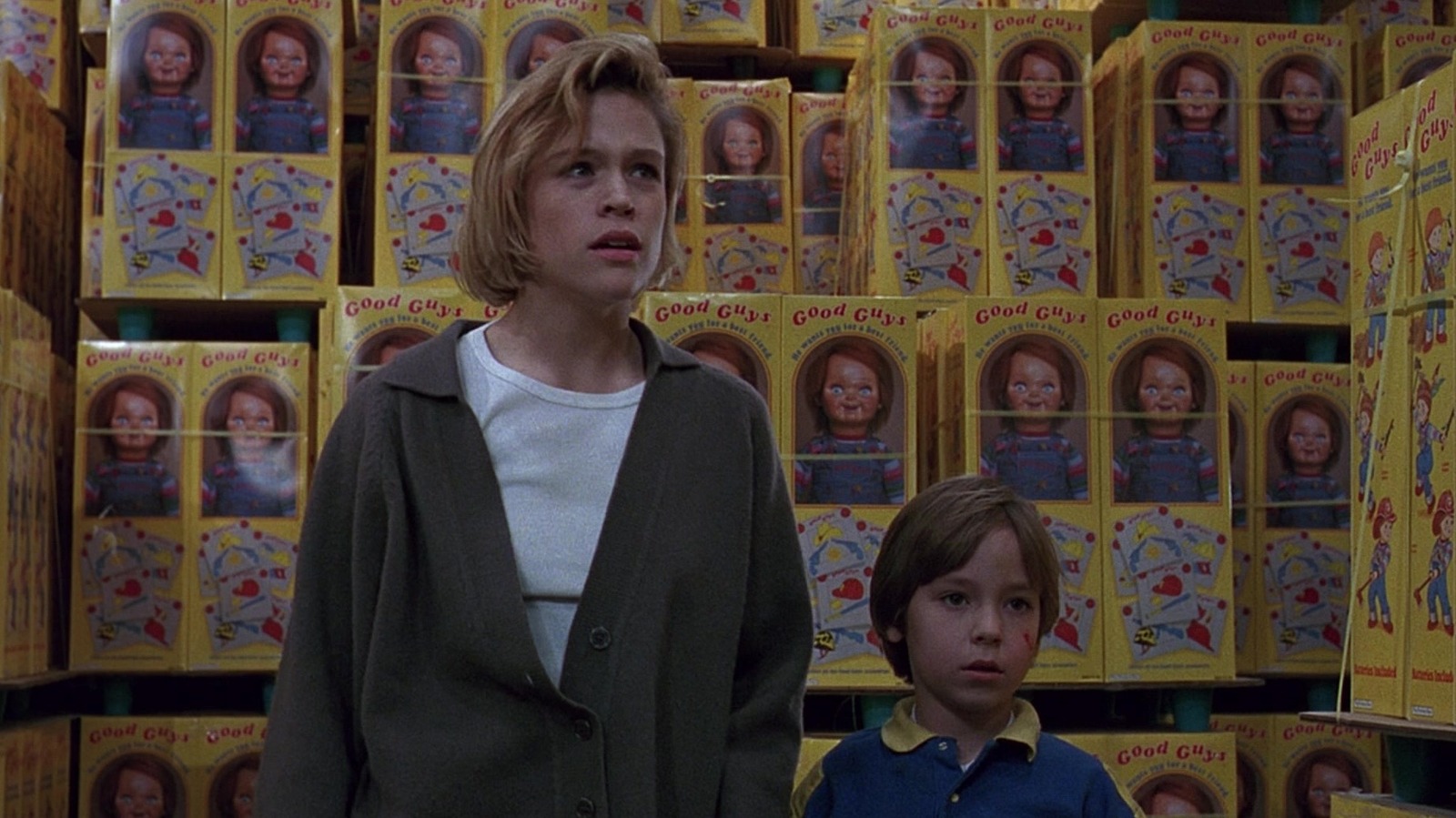
Dive into the themes, character choices, and plot developments of the 'Child's Play' franchise now streaming on Netflix.
In simple terms, the core question the Child's Play franchise raises is: How does a cursed doll embody the horror of childhood innocence turned sinister? The answer unfolds as we observe the transformation of Chucky from a mere toy to a symbol of parental neglect, fear, and the loss of innocence. Streaming now on Netflix are the sequels that follow this journey, allowing both dedicated fans and newcomers to engage with this cult classic.
The original film, Child's Play (1988), introduces us to Charles Lee Ray, a child murderer who escapes into a Good Guy doll using voodoo. This transformation is pivotal; the doll's charm juxtaposes his malevolence, presenting a chilling contrast. As parents grapple with consumerism and trends—exemplified by the Cabbage Patch Kids craze—the film satirically critiques how toys, meant for innocence, can become harbingers of horror. This duality of Chucky’s character effectively lays the groundwork for the series' exploration of fear versus playfulness, thereby resonating deeply with audiences.
Beginning with Child's Play 2 (1990), the franchise deepens its psychological horror. Andy, now in foster care, faces skepticism about his claims of Chucky's murderous return. The film dives into themes of isolation and vulnerability; Andy’s plight highlights how societal neglect can exacerbate a child’s fears. Chucky's relentless pursuit to possess Andy adds layers of depth to their conflict. Exploring how children perceive and are affected by fear becomes a recurring theme throughout the series, revealing the profound psychological impacts of trauma.
By the time of Bride of Chucky (1998), the series humorously embraces its absurdity with the introduction of Tiffany, Chucky's bride. This film marks a seismic tonal shift; humor and horror intermingle, challenging traditional slasher narratives. The blend of romance and gore illuminates how relationships can surprisingly feature in horror tales, illustrating a different facet of Chucky’s character. Notably, Tiffany’s desire to be with Chucky despite his murderous tendencies speaks to love's complexities, further complicating the franchise's thematic fabric.
The later films, especially Seed of Chucky (2004), venture into self-referential territory, incorporating elements of Hollywood satire. Glen/Glenda, Chucky and Tiffany's non-binary child, introduces broader discussions about gender identity, making audacious commentary on societal norms and expectations. Chucky's characters’ outlandish experiences serve not just as entertainment but also as a critique of the horror genre itself, reflecting how the boundaries of identity and family dynamics have evolved.
The Child's Play series stands as a pivotal part of horror history, precisely because it blends fear with farce. Confirming its legendary status, Netflix has chosen to host all sequels from the original, leading to an essential cultural moment for horror fans. As audiences revisit this franchise, they are confronted with multifaceted themes ranging from innocence lost to existential crises, all wrapped in Chucky's twisted brand of humor. Every sequel invites viewers to recognize the cultural anxieties of their times, from consumerism to family structures.
As Netflix breathes new life into the Child's Play franchise, it is crucial for both new viewers and long-time fans to appreciate the emotional intensity and cultural commentary interwoven through its plot developments. The horror genre often thrives on visceral scares, but Chucky's story goes beyond mere shocks. Each film captures shifting societal fears, providing an unparalleled reflection of the times, all while keeping the audience entertained. The unnatural threat posed by a child's toy becomes an apt metaphor for contemporary anxieties, ensuring Chucky's legacy continues to thrive.
The streaming revival of the Child's Play franchise presents an invitation to re-examine the intricacies of its thematic explorations. As audiences dive into this array of films, they might reconsider their understanding of innocence, the complexities of childhood, and how horror can mirror societal changes. With its distinctive approach to genre storytelling, the Child's Play series remains an enduring fixture in both horror and popular culture. As viewers prepare to engage with Chucky again, they’ll find a rich tapestry of themes, character choices, and cultural reflections waiting to be explored.
Related content: For those interested in the intricacies of horror film narratives, check out our analysis on The Blair Witch Project here or explore new horror releases this August here.
Movie explanation
EpisodeBreakdown may use automated tools to assist research, drafting, and formatting. Published pages are governed by our editorial and corrections policies, and source links are shown when they are available in the article record.
Discovery source: Slashfilm. The source identifies where the topic was discovered; EpisodeBreakdown is responsible for the commentary published on this page.
Reader response
Reactions and poll results are based on real reader responses. No account is required.
A deep dive into 'Godzilla Minus Zero', exploring its major themes, character decisions, and narrative progression leading to the climax.