Godzilla
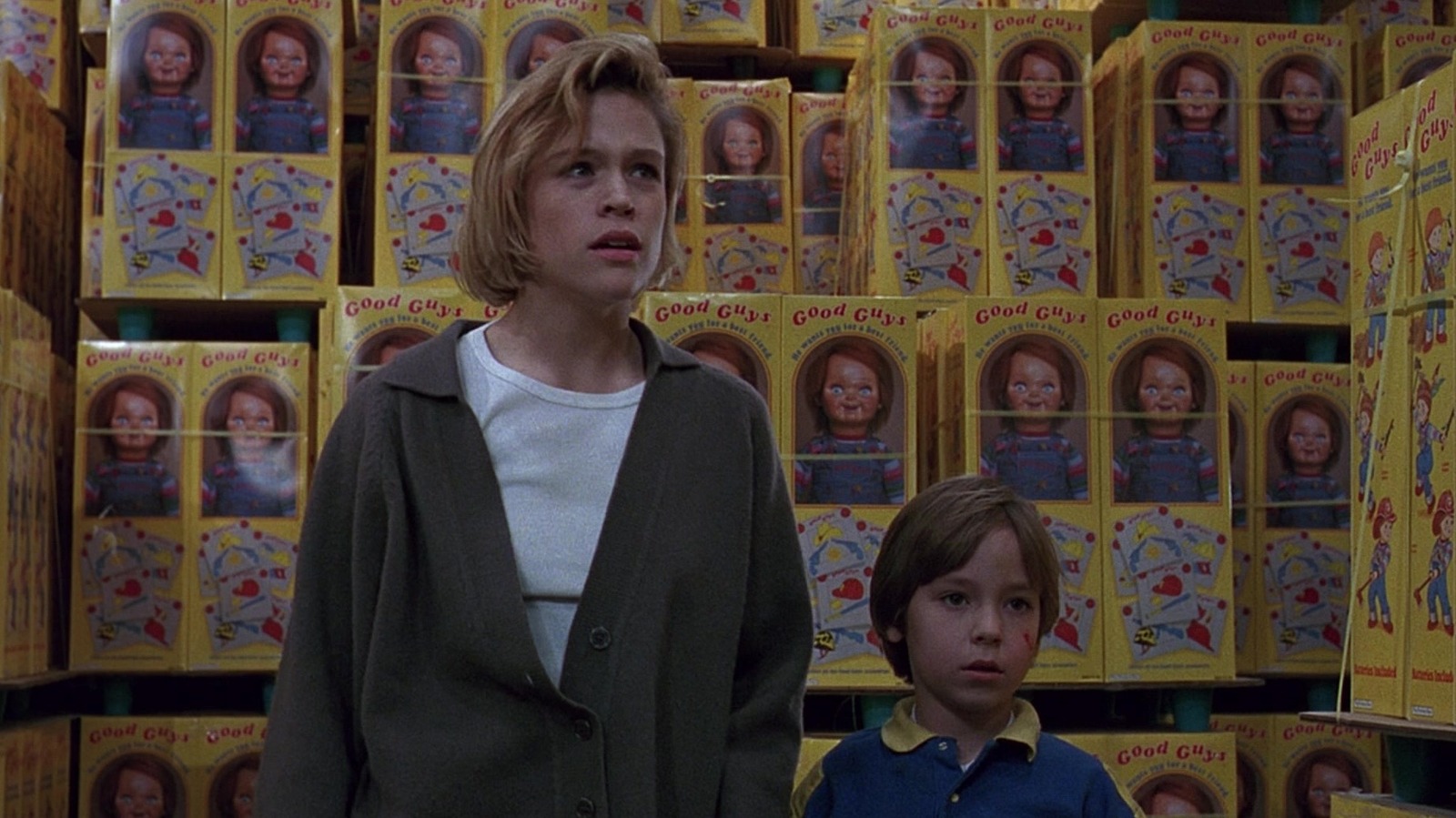
Exploring the Child's Play Franchise on Netflix
Dive into the themes, character choices, and plot developments of the 'Child's Play' franchise now streaming on Netflix.
An analysis of the ongoing lawsuit concerning Nicolas Cage's 'Fortitude' reveals themes of accountability, industry standards, and the nature of defamation.
In simple terms, the central question surrounding the lawsuit of Nicolas Cage's film Fortitude against Netflix is this: Who bears the responsibility for the alleged theft of the film? The straightforward answer lies in the interaction between the producer Simon Afram's claims and Netflix's subsequent statements that led to a defamation counterclaim.
What happened is that a lawsuit was filed on July 29, 2026, in federal court alleging that an unencrypted copy of Fortitude, a World War II thriller, vanished from Netflix's possessions. Afram, through his company Op-Fortitude, is seeking a staggering $105 million in damages, which highlights the significant financial stakes involved. The core of the disagreement extends beyond mere theft; it challenges the accountability of streaming platforms in safeguarding creative content.
The critical moment in this case is the moment the film reportedly went missing. According to the lawsuit, Netflix's lack of appropriate security and its failure to protect content has raised important discussions regarding industry practices. Confirmed events show that Netflix was aware of the theft on June 25, 2026. However, Anders’ claims state the initial request made by Afram's counsel merely sought information rather than compensation. This initial approach contrasts sharply with Netflix's characterization of the request as extortion, suggesting a breakdown in communication and trust.
This relationship between Afram and Netflix is significant, as it shapes not just the legal battle, but broader industry implications concerning the treatment of filmmakers and their intellectual property. If Afram’s team is correct and Netflix did indeed operate with negligence, the case may prompt the entertainment industry to reevaluate security standards across streaming platforms.
Netflix's public statement has become a pivot point leading to the defamation claim added to the lawsuit. Netflix accused Afram’s team of attempting to extort money, a serious charge that can irreparably damage reputations. However, Afram's response contends that Netflix misrepresented their communication timeline. They indicated that accusations of extortion arose only after Netflix refused collaboration and information-sharing. The assertion that Afram's legal team immediately demanded a figure of $165 million is heavily contested and suggests an adversarial atmosphere forged from initial negligence.
This escalation to a defamation claim feeds the narrative of a content creator versus a corporate giant, echoing themes seen in other films exploring similar tensions. The film Killer Clown, for example, touches upon the themes of gaslighting and the trauma of mischaracterization in the media. Just like in Fortitude, the underlying message emphasizes the importance of truth in an age where misinformation is rampant.
The repercussions of the Fortitude case will likely extend beyond this single incident. If Afram proves his case, it could set a precedent for how streaming platforms handle creative content, possibly mandating stricter oversight and accountability. Afram's investment of over $45 million and seven years into the film emphasizes the stakes not just financially but regarding trust between creators and distributors. How this case unfolds will provide key lessons for future collaborations in the cinematic landscape.
The ongoing narrative is fraught with real-world implications on filmmakers’ rights and responsibilities in an evolving digital distribution age. Similar issues have been explored in films and series such as The Odyssey, where the challenges of returning home resonate deeply with creators seeking recognition and preservation of their work.
Trust erodes swiftly in the entertainment industry when significant amounts of money are involved. The legal actions taken by Afram highlight an essential truth: without trust, the very foundation of collaborative filmmaking crumbles. The refusal of Netflix to engage transparently with Afram’s team reflects a larger issue of how streaming giants manipulate narratives to mitigate risks while protecting their images. This intrinsic conflict positions filmmakers in a vulnerable spot, struggling for validation while simultaneously fighting for the security of their projects.
The themes inherent in Fortitude resonate with elements in other notable films. As highlighted in the Fantasia 2026 Roundup of varied works, the industry is filled with stories of creative struggle against corporate dynamics. Films like Session 9 also illustrate how pressure cooker environments can lead to intense conflict. These narratives create a tapestry of experiences that can educate and inform audiences about the complexities involved in filmmaking and distribution.
While the future is uncertain, the legal proceedings and the discussions surrounding Fortitude underscore critical themes of accountability, corporate transparency, and the vulnerability of artists in the streaming age. The ending of this chapter remains unwritten, yet it is poised to redefine the landscape for filmmakers moving forward.
What this means for the film industry may not just be about the outcome of this specific case but about reshaping how we view digital security, trust, and the relationships vital to the creative process. Expect this case to influence policies and practices across the entertainment landscape, as both filmmakers and distributors navigate these treacherous waters in search of common ground and mutual respect.
Movie explanation
EpisodeBreakdown may use automated tools to assist research, drafting, and formatting. Published pages are governed by our editorial and corrections policies, and source links are shown when they are available in the article record.
Discovery source: TheWrap. The source identifies where the topic was discovered; EpisodeBreakdown is responsible for the commentary published on this page.
Reader response
Reactions and poll results are based on real reader responses. No account is required.
A deep dive into 'Godzilla Minus Zero', exploring its major themes, character decisions, and narrative progression leading to the climax.