Session 9
Sadie Sink's Role in 'Spider-Man: Brand New Day' Highlights Spoiler Culture Flaws
This analysis explores how Sadie Sink's role in 'Spider-Man: Brand New Day' exposes the issues surrounding Marvel's spoiler culture and its implications.
This analysis explores how Sadie Sink's role in 'Spider-Man: Brand New Day' exposes the issues surrounding Marvel's spoiler culture and its implications.
Explore the franchise
In simple terms, Sadie Sink’s portrayal of Jean Grey in Spider-Man: Brand New Day demonstrates the shortcomings of Marvel's current spoiler culture. The central question addressed here is whether heightened secrecy around character revelations enhances or detracts from cinematic experiences. What happened is this culture creates an unnecessary barrier between audiences and the narratives presented, diluting the impact of character-driven storytelling.
The recent events surrounding the premiere of Brand New Day highlight this issue profoundly. Singer Steve Lacy, in a red carpet interview, mistakenly described his favorite character, Jean, as the villain—something audiences were not supposed to know. The interviewer's response indicated that this slip was a serious breach of the culture built around the movie's promotion. Despite this overreaction, the film itself shows that a well-crafted storyline should not rely on secrecy to establish its merits.
Marvel's approach to spoilers has its roots in a larger trend across franchises, where surprise elements are often overemphasized, creating unrealistic expectations. This strategy has led to a kind of hysteria where merely discussing a character—especially one as pivotal as Jean Grey—can lead to public outrage among dedicated fans.
Such actions often draw comparisons to earlier franchises that employed similar tactics but ended up facing backlash for their heavy-handed secrecy. For instance, the marketing debacle of Star Trek Into Darkness, which hid a major plot twist centering on Khan, serves as a cautionary tale for storytelling that prioritizes surprise over substance. As with Brand New Day, the true strength lies not in the reveal but in the execution, character arcs, and narrative coherence.
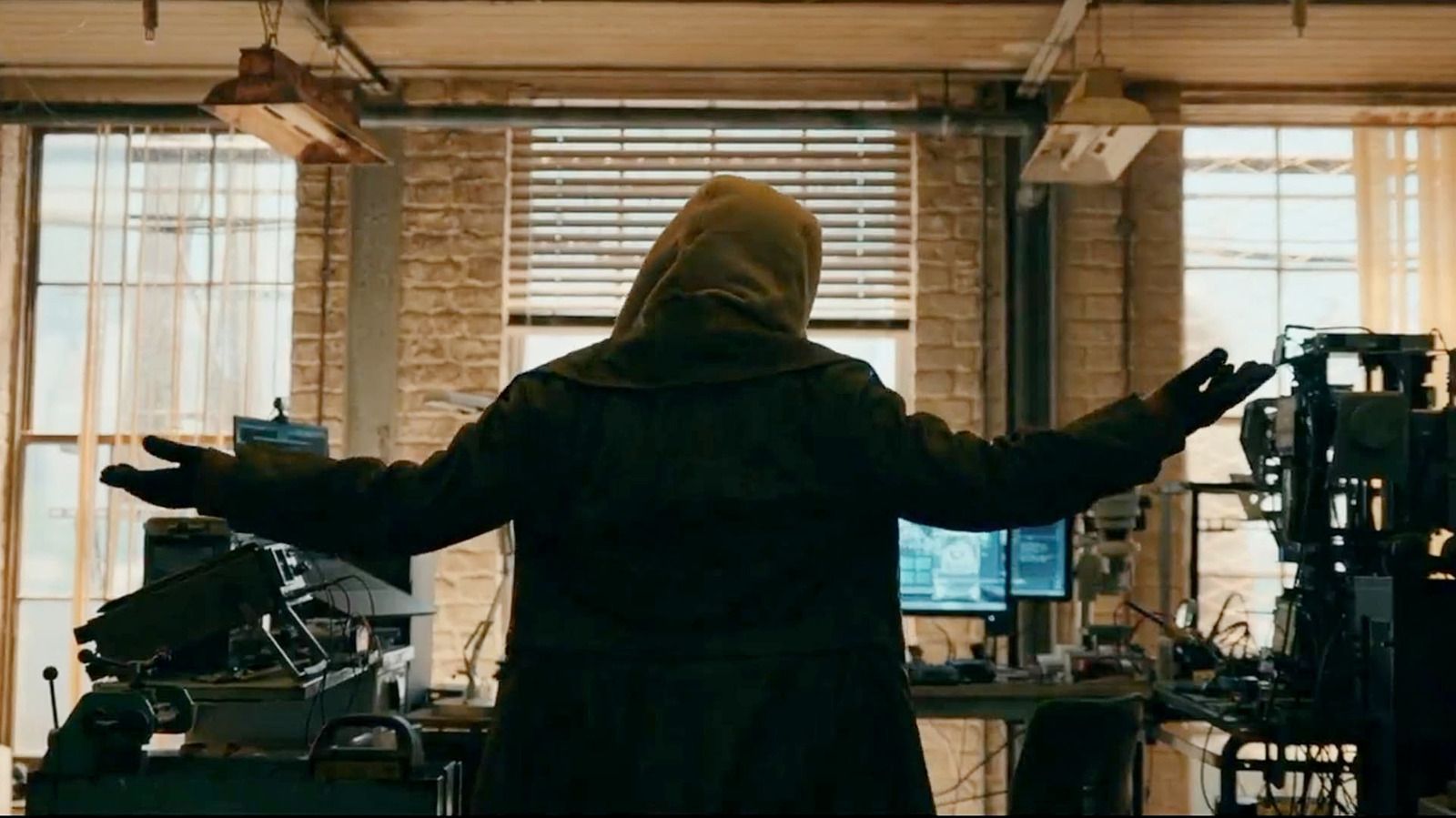
In Brand New Day, Jean Grey, played by Sink, serves as a complex antagonist rather than merely a mystery figure. Unlike previous presentations of antagonists in superhero narratives that often rely on twist reveals, Brand New Day provides ample context for Jean's actions early on. This approach allows viewers to engage with her character on a deeper level, contemplating her motives without the artificial suspense often manufactured through confidential promotion strategies.
The film smartly lets its narrative unfold organically. The early focus on Spider-Man’s investigation into Jean's telepathic powers sets the narrative tone, making her motivations intriguing without overshadowing the story itself. Hence, Sink's character, far from existing solely for shock value, emerges as a vital part of the film's thematic exploration of power and morality.
The unintended consequences of the spoiler-averse atmosphere cultivate an environment where viewers may feel alienated. Rather than simply enjoying the film, audiences become engaged in an active search for hidden meanings. This tendency undermines the enjoyment of storytelling, making it more about trivia and less about emotional resonance.
Marvel’s marketing strategy emphasizes the importance of secrecy, reminiscent of the hyper-competitive nature of contemporary movie promotions. This results in incidents like Lacy's interview, where genuine enthusiasm is met with a negative backlash. The film’s marketing could have celebrated Jean's role instead, emphasizing character depth rather than shrouding her significance in mystery.
Spider-Man: Brand New Day effectively illustrates that revelations can be integrated thoughtfully without necessitating a veil of secrecy. The character of Jean Grey doesn't exist primarily to elicit gasps from the audience; instead, her complexity adds to the film's richness. Rather than merely a plot twist, her antagonist status fuels a broader discussion about the use of power, ethics, and personal choice, themes thoroughly explored throughout the film.
The film's success can be attributed not just to its characters but also to its choice to forgo the pitfalls inherent in contemporary spoiler culture. The overarching narrative keeps the focus on emotional stakes rather than the contrived suspense surrounding character identities, leading to a more fulfilling experience for viewers.
The implications of this narrative approach extend beyond just Brand New Day. They raise broader questions about how we market and discuss films in an era where fan engagement is heightened. The phenomenon of promotional strategies that focus on secrecy may eventually backfire, diluting the richness of the stories that studios seek to share.
For instance, comparing this instance with discussions surrounding Charlie's role in other Marvel films invites a broader reevaluation of how character developments and reveals are packaged. The debate around how spoilers affect overall enjoyment continues to evolve, and it’s vital that studios adapt to audience expectations and desires for genuine narratives.
Marvel now stands at a crucial crossroad. While they have succeeded in creating a vast interconnected universe, the reliance on spoiler-mongering tactics may risk alienating audiences who crave meaningful engagement with the story. Brand New Day serves not only as an example of compelling character development but also as a lesson in how to promote films without succumbing to the trappings of spoiler culture.
As we look ahead, the reaction to Brand New Day may encourage Marvel to consider a more balanced approach in its marketing strategies. Promoting quality narratives rather than hypotheticals will not only enrich their storytelling but also cultivate a more invested and appreciative fanbase. After all, as the film demonstrates, stories worth telling should be able to withstand the test of time—unspoiled and impactful.
Movie explanation
EpisodeBreakdown may use automated tools to assist research, drafting, and formatting. Published pages are governed by our editorial and corrections policies, and source links are shown when they are available in the article record.
Discovery source: Slashfilm. The source identifies where the topic was discovered; EpisodeBreakdown is responsible for the commentary published on this page.
Reader response
Reactions and poll results are based on real reader responses. No account is required.
A deep dive into 'Session 9,' its themes of madness, and legacy 25 years later.