Godzilla
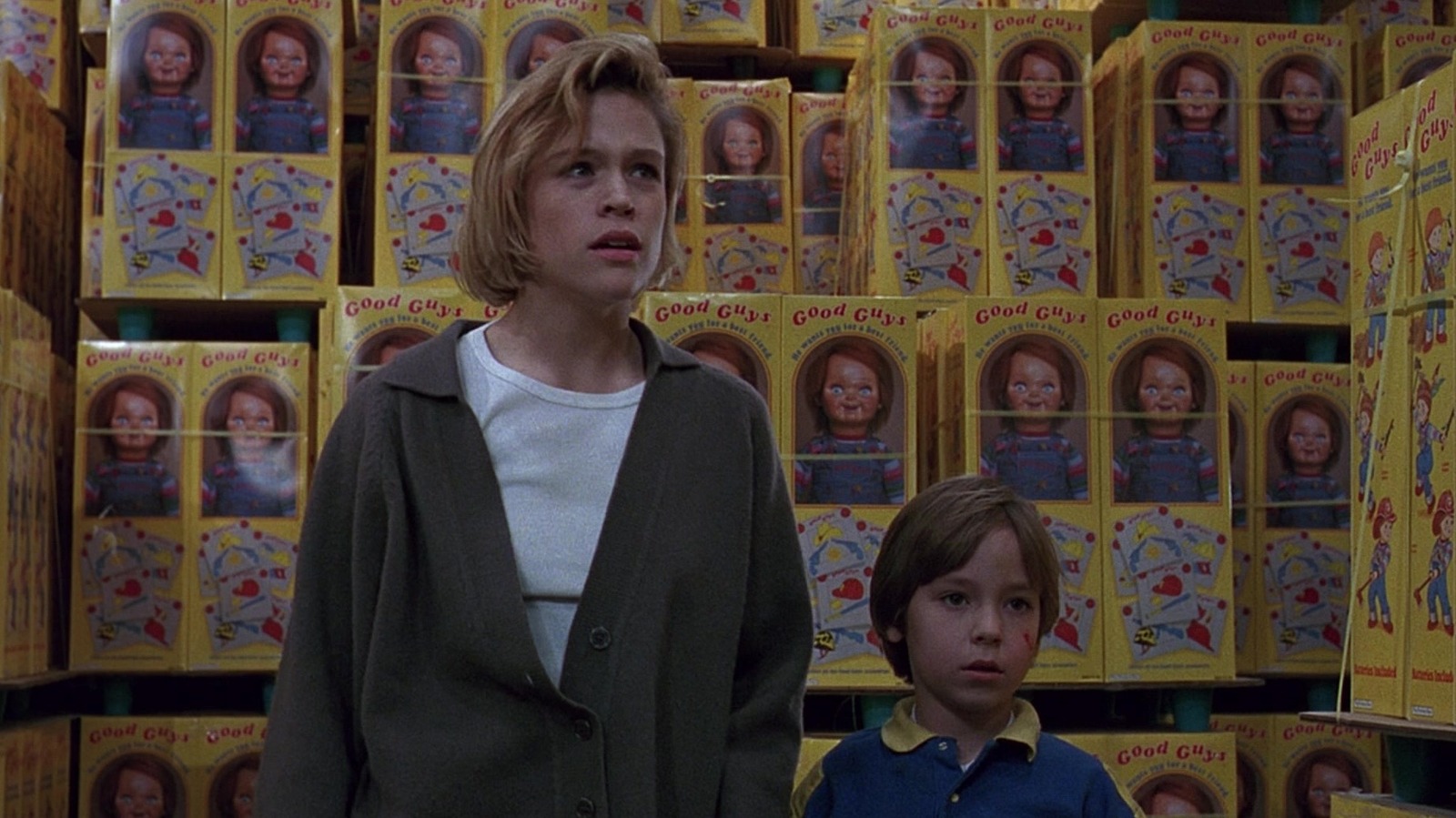
Exploring the Child's Play Franchise on Netflix
Dive into the themes, character choices, and plot developments of the 'Child's Play' franchise now streaming on Netflix.
Explore how Max Cady's character in Cape Fear embodies shifting cultural fears and anxieties.
At the heart of the various adaptations of Cape Fear lies a profound question: What does the character of Max Cady symbolize in the context of societal fears? In simple terms, Cady represents the embodiment of retribution and the darker impulses lurking within the human psyche. His evolution from a menacing figure in the original film to a complex antagonist in contemporary adaptations reveals changing cultural anxieties about justice, morality, and societal decay.
What is confirmed through multiple analyses is that the character of Max Cady has adapted to reflect the prevailing cultural tensions of the times. In the original 1962 film, Cady is portrayed as a straightforward villain, a representation of raw, unrestrained evil—an ex-convict seeking vengeance on the lawyer who failed to defend him. This portrayal captures mid-20th century fears surrounding crime, punishment, and the threat of the underclass breaking into civil society.
In contrast, modern adaptations, particularly Nick Antosca’s retelling, infuse Cady with layers of moral ambiguity. This shift mirrors contemporary concerns about law, justice, and the often-blurred lines between right and wrong. The character embodies the uncertainty and fear of the legal system as it fails to provide protection amid societal injustices.
The thematic exploration of justice in Cape Fear raises questions about the reliability of societal structures. Throughout the story, Cady's actions force both the protagonist, Sam Bowden, and the audience to confront their notions of moral rightness. The film poses unsettling questions: Does Cady’s pursuit of revenge make him a monster, or does it reveal the failures of the legal system?
Unresolved within these themes is the idea that Cady's quest for vengeance stems not just from personal betrayal, but from a collective sorrow and anger that resonates with audiences. As societal norms and values shift, so too does the understanding of what constitutes justice.
Key moments in Cady's evolution provide insights into the societal context of the story. For example, his interactions with Sam reveal the latter's vulnerabilities and moral conflicts. These encounters serve as a foil, amplifying the psychological tension that underpins the narrative.
Several clues throughout the film hint at deeper issues within Bowden’s character, including his protective instincts towards his family versus his ethical obligations as a lawyer. This internal struggle emphasizes how Cady forces Bowden to face his own shortcomings and moral failures, making Cady not merely an antagonist but a catalyst for self-reflection.
Cady’s symbolic role is also significantly influenced by the social landscape surrounding each adaptation. In the age of increasing awareness around issues of criminal justice, mental health, and societal disenfranchisement, Cady reflects the anxieties of a contemporary audience more aware of systemic failures.
For example, Antosca's adaptation, featuring actors like Amy Adams, presents a more nuanced investigation of identity and personal demons, bringing to light the cultural fears surrounding authenticity and the consequences of unchecked ambition. Cady's malevolence is no longer the only threat; instead, it intertwines with the flaws of the legal and social structures that fail to protect the innocent.
In analyzing the ending of Cape Fear, it becomes evident how it aligns with the film’s earlier themes. Cady’s ultimate demise does not feel like a simple triumph of good over evil but rather a tragic resolution of a complex character’s journey. It serves as a critique rather than just a closure; the fallout of Bowden’s victory raises questions about the real cost of justice.
The final act reflects an unsettling truth: while Cady is vanquished, the societal issues he represents—ranging from personal trauma to systemic flaws—persist. This ending underscores that while Cady may be defeated, the fears and questions he embodies remain hauntingly relevant.
The evolution of Max Cady in Cape Fear illustrates how cultural fears shape narratives and character development. From a one-dimensional monster to a multifaceted representation of societal anxiety, Cady provides a crucial commentary on justice, morality, and human nature itself. The character's progression highlights our continuous struggle to confront these vital questions in a rapidly changing world. As audiences grapple with the implications of these narratives, they are reminded that the monsters we create and confront within our stories mirror the complexities of our own society—our fears, flaws, and the lingering consequences of our moral choices.
For those interested in further explorations of character analyses and themes in film, check out Exploring 'Bad Lieutenant: Tokyo': Themes and Character Insights for more on conflict and moral ambiguity. Additionally, our piece on Ice Cream Man Explained: Themes, Characters, and Ending Analysis dives deep into how characters can reflect cultural fears as well.
Movie explanation
EpisodeBreakdown may use automated tools to assist research, drafting, and formatting. Published pages are governed by our editorial and corrections policies, and source links are shown when they are available in the article record.
Discovery source: Bloody Disgusting. The source identifies where the topic was discovered; EpisodeBreakdown is responsible for the commentary published on this page.
Reader response
Reactions and poll results are based on real reader responses. No account is required.
A deep dive into 'Godzilla Minus Zero', exploring its major themes, character decisions, and narrative progression leading to the climax.