test
asdasd
Discover how Season 2 of Batman: Caped Crusader reimagines Joker's iconic laughing gas with a chilling twist.
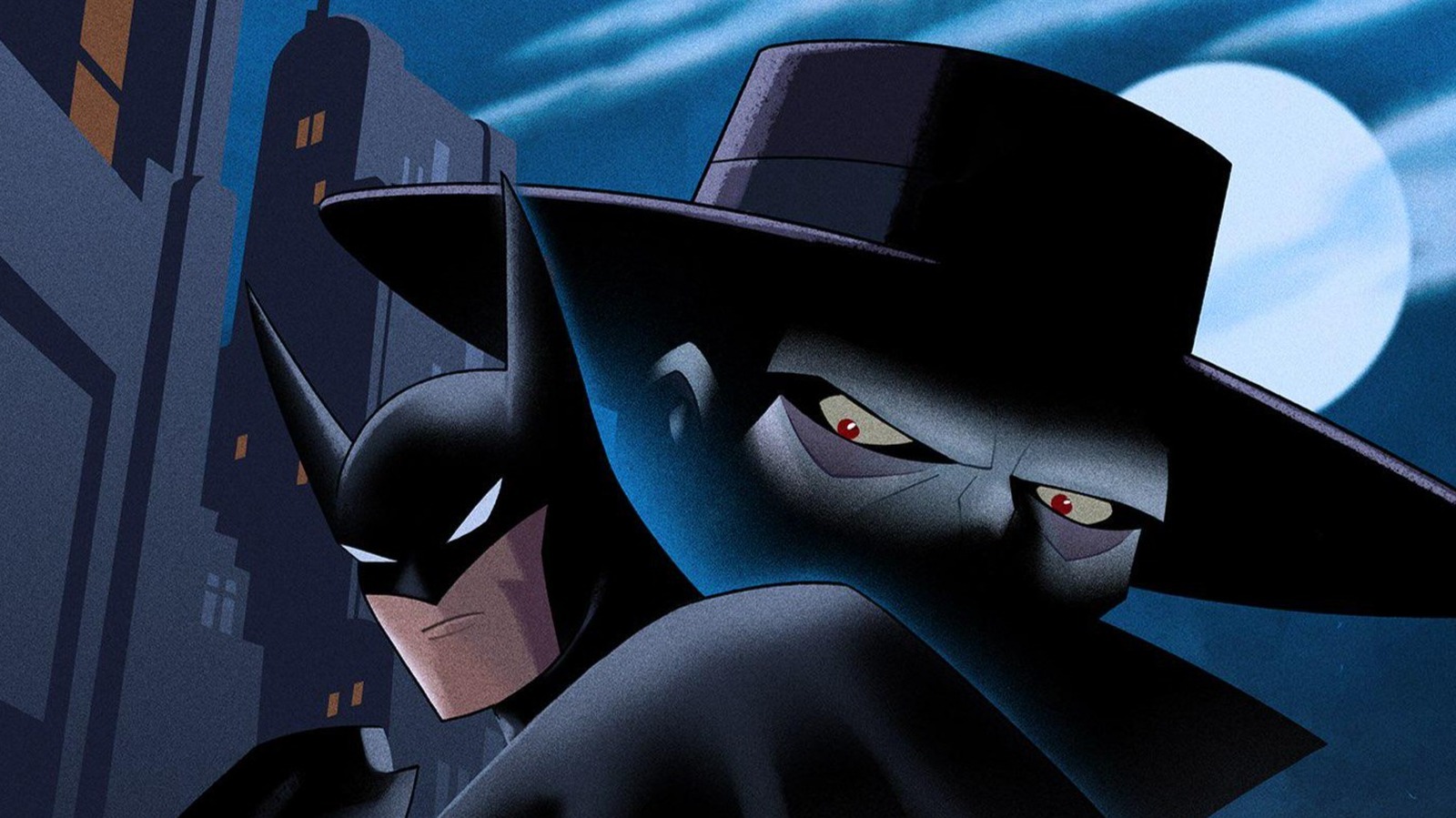
In simple terms, Season 2 of Batman: Caped Crusader introduces a fresh and eerie interpretation of the Joker and his infamous laughing gas. This season not only resurrects the iconic villain but also twists his trademark weapon into something more sinister. The Joker's mechanism evolves from a merely terrifying tool to one that poses a widespread threat to Gotham City, attempting to turn its citizens into chaotic, violence-driven monstrosities.
What happened is that this iteration of the Joker reflects his original portrayal from comics, particularly drawing inspiration from the Batman #1. Historically, the Joker's character was more stoic and menacing, lacking the wild humor that later adaptations embraced. In the Caped Crusader universe, he emerges in a much creepier, muted manner, highlighted by Matthew Needham's chilling vocal performance that deviates from the traditional, bombastic portrayals of past adaptations.
In Caped Crusader, the Joker's laughing gas is no longer just a cruel prank; it's a weapon capable of creating an epidemic. Instead of merely incapacitating victims, the Joker modifies it to produce a plague-like effect, turning people into aggressive creatures driven by insatiable hunger for chaos. This evolution not only enhances the suspense throughout the season but also mirrors contemporary fears about contagious diseases and societal breakdowns.
The showrunners of Caped Crusader have deliberately crafted this Joker to evoke the chilling sensation inspired by silent films and German expressionism. As the show unfolds, viewers can discern how this portrayal aligns with the Joker's early comic book origins. By grounding his character in earlier, darker roots rather than focusing solely on comedic aspects, the series captures a rich, unsettling atmosphere that intensifies the stakes for Gotham’s citizens.
In the creative vision, the Joker is presented less as a jester and more as a grim harbinger of chaos, reflecting a more serious take on the themes of madness and morality. This is further emphasized by his demeanor, as he solemnly recites lines from Yeats in a contrasting moment of dark poetry rather than breaking into laughter. Such storytelling decisions deepen the emotional impact of the Joker’s menace, adding layers to his character that appeal to both long-time fans and newcomers alike.
As the Joker’s scheme unfolds, the severity of his intentions becomes apparent. In the two-part finale, titled “Dead Before Dawn” and “The Laughing Death,” Batman and his ally Alfred strive to develop an antitoxin to combat this new form of laughing gas while racing against the clock to prevent Gotham from descending into chaos. The stakes are heightened as the Joker’s modifications to his gas not only threaten individual lives but also jeopardize the entire city's safety, creating a gripping narrative.
When the Joker does appear on screen, he is shrouded in shadows or shown only in brief glimpses, which adds to the mystery and suspense surrounding his character. The production design captures an old-time aesthetic reminiscent of the 1940s, reinforcing the show's commitment to returning to Batman’s roots. His visual portrayal aligns closely with how he was originally conceived in comics — a grim figure who embodies chaos rather than merely engaging in slapstick. This approach raises questions about identity and morality, as the Joker remains unnamed in traditional terms and is instead referred to casually as a “joker” by other characters.
For readers eager to dive deeper into the world of Batman: Caped Crusader and its intricate character representations, consider exploring:
In essence, the direction that Batman: Caped Crusader has taken with its second season not only revitalizes the Joker mythos but also enriches the storyline by exploring themes of chaos and transformation through the lens of classic horror. While this portrayal introduces unsettling transformations of familiar elements, it also raises the anticipation for the Joker's next appearances. Should there be a third season, fans may wonder if a more traditional, humor-infused vision of the Joker will make an appearance, following his encounters with Batman and the specter of death. The reimagined laughing gas puts a fresher, darker spin on this iconic villain, showcasing a series that continually pushes the boundaries of its source material.
Story breakdown
EpisodeBreakdown may use automated tools to assist research, drafting, and formatting. Published pages are governed by our editorial and corrections policies, and source links are shown when they are available in the article record.
Discovery source: Slashfilm. The source identifies where the topic was discovered; EpisodeBreakdown is responsible for the commentary published on this page.
Reader response
Reactions and poll results are based on real reader responses. No account is required.