test
asdasd
The budget constraints of Battlestar Galactica's reboot led to significant changes in original Season 1 plans, impacting storylines and character development.
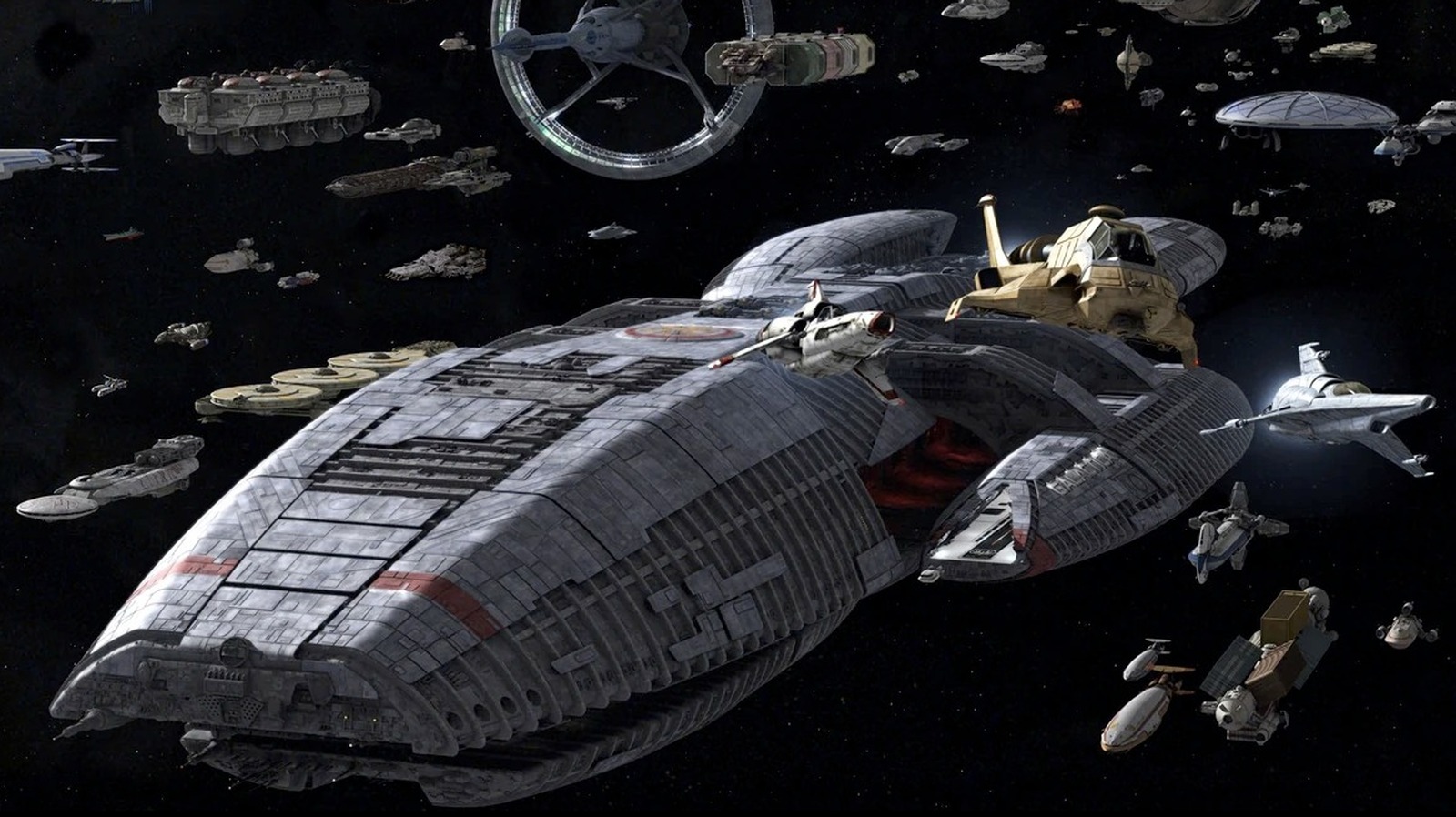
Battlestar Galactica's reboot faced substantial budget constraints that led to dramatic changes in the creative direction of Season 1. In simple terms, the limitations necessitated a shift away from the original plan of exploring a variety of ships in the fleet, leading to a more concentrated storytelling approach centered on the Galactica itself.
The reimagined Battlestar Galactica aimed to offer a rich tapestry of stories set across multiple spaceships, turning the diverse fleet into a vibrant community. Creators had envisaged episodes focusing on different vessels serving various purposes, such as hospitals, schools, and even malls. According to Ronald D. Moore, the show’s co-creator, this initial approach was designed to depict a broad range of human experiences amid the chaos of survival.
However, once the production team understood the constraints of their budget, the grand vision was trimmed significantly. With costs associated with creating new sets and introducing numerous guest stars piling up, the show's narrative quickly shifted focus to the relationships and struggles aboard the Battlestar Galactica itself.
This shift allowed the series to hone in on character development and interpersonal dynamics, which ultimately proved beneficial. By concentrating on the pivotal characters within the Galactica, the writers were able to craft intricate plotlines and character arcs that resonated with viewers. The need to simplify the storytelling structure resulted in a more cohesive narrative, laying the groundwork for much deeper explorations of essential themes such as identity and survival.
The third episode of Season 1, titled "Bastille Day," stands as a testament to the original concept. It features key characters engaging with a prison ship, which aligns with the broader vision of exploring the fleet's diversity. As the series progressed, however, such episodic explorations became less frequent, replaced by deeper dives into the Galactica and its crew.
Interestingly, while the show's budget was considerably smaller than those of contemporary sci-fi series, it did not hinder its overall quality. In fact, some cast members, like Katee Sackhoff, humorously noted that the entire Battlestar budget would be dwarfed by the catering budget of modern hits like The Mandalorian. Such comparisons underline how television standards and production budgets have evolved, yet Battlestar Galactica managed to deliver unforgettable storytelling.
One notable change stemming from budget limitations was the decision to depict Cylons as humanoid rather than through extensive CGI or elaborate robotic suits. Initially, this idea raised concerns about the credibility of these adversaries; however, it ultimately enriched the narrative. By making the Cylons more human-like, the series introduced complex villains whose motivations transcended simple malevolence, offering a more nuanced take on the relationship between creator and creation.
It also led to thrilling plotlines about the fear of infiltration, as humans began suspecting that some among them might be hidden Cylons, mirroring real-world themes of paranoia. This component not only enhanced the drama but also resonated with global anxieties prevalent after events like September 11.
Battlestar Galactica's decision to scale back its ambitions resulted in layers of storytelling that may not have otherwise emerged. While the initial expansive ideas were sidelined, the series found its footing in character-driven plots that have endured in popularity.
Remarkably, despite budget limitations, Battlestar Galactica remains a celebrated entry in the realm of sci-fi television, proving that creativity can thrive even in the face of constraints.
The alterations made to Battlestar Galactica's Season 1 reflect a pivotal lesson about creativity in limitation. The show's ability to adapt its storytelling capitalized on character development rather than visuals, illustrating that powerful narratives can emerge from necessity. While viewers may wonder what the extensive, fleet-focused concept could have offered, the resulting character exploration and thematic depth ultimately carved a legacy that continues to resonate within the genre.
For those interested in diving deeper into similar themes, explore our guides on The Rise and Fall of 'Galactica 1980' and Why Farrah Fawcett Left Charlie's Angels After One Season.
Story breakdown
EpisodeBreakdown may use automated tools to assist research, drafting, and formatting. Published pages are governed by our editorial and corrections policies, and source links are shown when they are available in the article record.
Discovery source: Slashfilm. The source identifies where the topic was discovered; EpisodeBreakdown is responsible for the commentary published on this page.
Reader response
Reactions and poll results are based on real reader responses. No account is required.