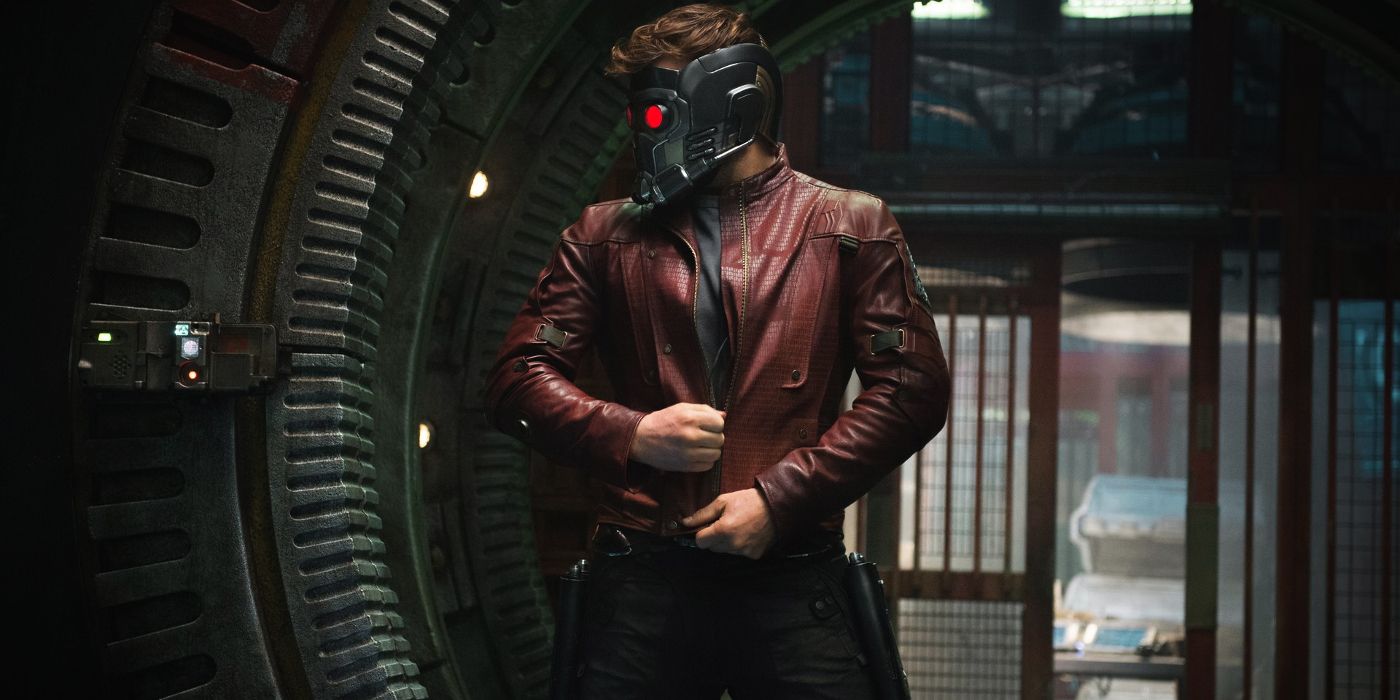
Marvel Movies That Surpass Their Comic Book Origins
Exploring 5 Marvel films that have enhanced their comic book origins with deeper themes and character development.
Bear McCreary delves into his musical inspirations and the significance of scoring in storytelling across film and gaming.
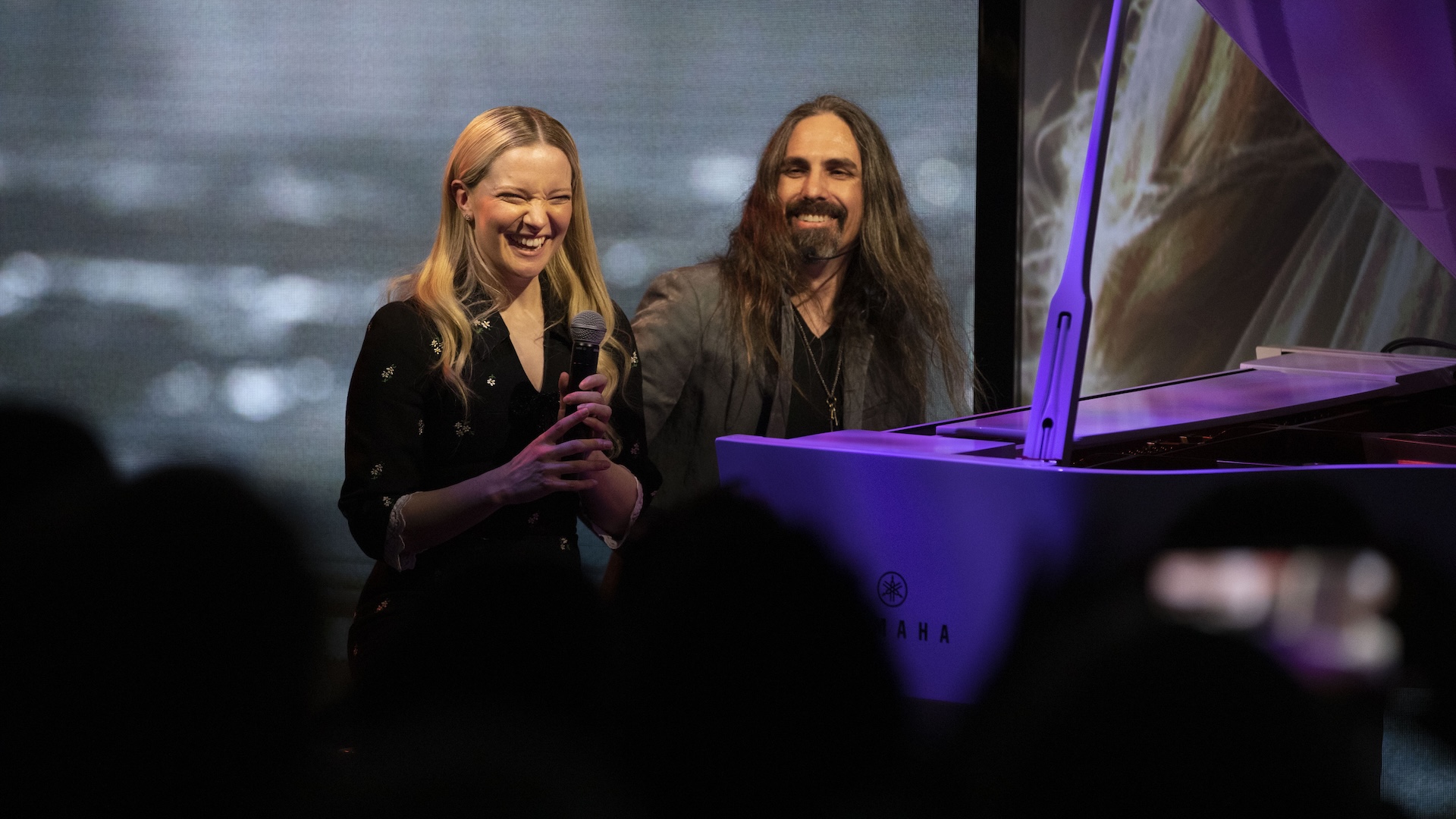
In simple terms, Bear McCreary's approach to film and game scoring highlights a crucial question: How does music shape storytelling? Throughout his career, McCreary has blurred the lines between cinematic music and gameplay soundtracks, crafting unforgettable auditory experiences. He emphasizes that the essence of a score can resonate with audiences emotionally, making it an integral part of any narrative.
What happened is McCreary utilizes a melody-driven process to evoke specific memories and emotions, which encapsulates his methodology when scoring franchises like God of War and The Lord of the Rings: The Rings of Power. His technique not only captures the essence of characters, but also reflects the broader themes within their respective narratives. This deeply-rooted connection between music and storytelling is what defines McCreary's work and illustrates the powerful role a score plays in audience engagement.
Bear McCreary's insights reveal how music serves as a tool for worldbuilding. He states that his music often is crafted from the very universes he inhabits musically. For instance, his scores for projects like God of War and Black Sails highlight cultural and geographical elements that enhance the worlds portrayed on screen. By tapping into these aspects, McCreary creates a distinctive musical identity that enriches the storytelling experience.
In confirmed discussions at Comic-Con, McCreary noted that while some projects—like The Walking Dead—offer a blank canvas creatively, others come fully fleshed out, allowing him to anchor his compositions in specific historical or thematic contexts. His ability to connect music with visual storytelling is not merely a reflection of his talent but a testament to the endless possibilities musical storytelling holds.
One of the key philosophies McCreary conveys is the importance of melody in his compositions. He argues that melodies possess a unique 'sticky glue-like quality' that can evoke emotions and establish connections in a listener's memory. He exemplifies this with the infamous motif associated with Kratos in God of War, emphasizing how a memorable melody helps to condition audience expectations around a character.
This approach underscores the idea that music is not just background but a vital narrative agent. It allows audiences to form deeper connections with characters, as seen in his work in both games and television. By intertwining melodies with thematic storytelling, McCreary ensures that his audience isn't merely passive but actively engaged in the unfolding drama.
When tasked with scoring established franchises such as Tolkien's The Lord of the Rings: The Rings of Power, McCreary acknowledges the immense legacy and expectations set by previous works. In navigating this landscape, he consciously chooses to focus on the intrinsic aspects of the story rather than the pressures of comparison. His internal dialogue keeps him grounded, allowing him to create authentic music that aligns with his vision.
During his scoring process for The Rings of Power, he embraced a sense of wonder, adapting to the footage while reminiscing about his youthful appreciation for epic narratives. This emotional engagement drives him to craft music that resonates with both the story and his personal experiences connected to the source material.
McCreary's recent pivot toward rock music with his album, The Singularity: Ekleipsis, highlights his belief that film music and rock can coalesce. He describes how his early experiences with legendary scores shaped his understanding of music's emotional weight, ultimately leading him to explore the rock genre deeply. His collaborations with renowned musicians from popular rock bands serve as a bridge between his roots in film music and the sheer energy of rock.
This fusion fosters an innovative environment where various musical styles contribute to storytelling. McCreary’s ability to intertwine cinematic qualities within rock music not only showcases his versatility but also reflects a broader narrative truth: that storytelling transcends genres, connecting various art forms into a cohesive auditory experience.
As technology evolves, McCreary expresses ambivalence toward the role of generative AI in music composition. He views AI as a potential hindrance rather than a benefit to creativity. While acknowledging that AI can enhance certain workflows, he maintains a belief that truly impactful music must stem from human experience and emotion.
His apprehension regarding AI stems from a concern that it might dull the uniqueness and emotional depth typically associated with human artistic expression. By emphasizing the historical context of influential scores—like those of John Williams and Jerry Goldsmith—McCreary articulates a vision of artistry rooted in personal, nuanced storytelling rather than algorithms or templates.
Bear McCreary’s insights illuminate the profound relationship between music and narrative in various storytelling contexts. From enhancing worldbuilding through melody to confronting the implications of AI in creativity, his perspective encapsulates the evolving landscape of film and game scoring. By harmonizing emotions with memorable melodies, McCreary's work ensures that audiences remain invested not just in the visuals, but in the stories they tell.
For those interested in the intertwining of music and storytelling, McCreary’s contributions serve as an exemplary case study. His journey resonates with enthusiasts and aspiring composers alike, reflecting a timeless truth: music, in its many forms, will always be an integral part of narrative art, shaping our experiences and connections.
Movie explanation
EpisodeBreakdown may use automated tools to assist research, drafting, and formatting. Published pages are governed by our editorial and corrections policies, and source links are shown when they are available in the article record.
Discovery source: Den of Geek. The source identifies where the topic was discovered; EpisodeBreakdown is responsible for the commentary published on this page.
Reader response
Reactions and poll results are based on real reader responses. No account is required.