Bear McCreary Explores Music's Role in Storytelling Across Mediums
Bear McCreary delves into his musical inspirations and the significance of scoring in storytelling across film and gaming.
Exploring 5 Marvel films that have enhanced their comic book origins with deeper themes and character development.
Explore the franchise
In simple terms, several Marvel movies have significantly improved upon the comic book stories that inspired them. Notably, films such as Captain America: The Winter Soldier, Iron Man, and Avengers: Infinity War not only adapted the source material but also introduced richer narratives and character arcs that resonated more deeply with audiences.
What happened is these cinematic adaptations transcended their graphic novel roots by focusing on intense thematic explorations, character complexities, and more emotionally charged plots. Below, we analyze how these Marvel films not only draw from the comics but effectively reshape their characters and stories.
One defining moment in Captain America: The Winter Soldier hinges on two seismic revelations for Steve Rogers. The first truth is that his long-lost friend Bucky Barnes is alive, now transformed into the brutal assassin known as the Winter Soldier. The emotional weight behind this clash of old loyalty and new reality adds layers that were absent in the comics, allowing audiences to experience an engaging exploration of flaws and vulnerability.
The second revelation dismantles Steve's faith in S.H.I.E.L.D. The infiltration of Hydra raises questions about trust and betrayal that mirror real-world issues of governmental transparency and ethics. These two pivotal truths lead Steve to reevaluate not just his relationships but also his moral compass, paving the way for a more introspective take on the superhero genre. While the comics have touched upon these themes, the film delves deeper, allowing audiences to see the burdens of a hero who must face flawed institutions alongside his own personal dilemmas.
When Iron Man revolutionized superhero films in 2008, it did so by introducing a complex origin narrative intertwined with social commentary. While the comics established Tony Stark as a genius billionaire, the film emphasizes his role in the military-industrial complex, particularly highlighting the ethical implications of weapons manufacturing.
This cinematic version breathes fresh life into Stark’s character by sprinkling humor and vulnerability throughout his development. The charming yet haunted portrayal invites viewers to connect with Stark on a personal level. His transformation from a desensitized weapons manufacturer to a hero striving for redemption showcases a character arc that enriches and surpasses the simpler comic narratives, adding depth to his motivations and actions. Thus, the movie encapsulates years of comic history into a relatable story that captures both the essence and the evolution of Tony Stark.
Avengers: Infinity War stands as a monumental achievement for Marvel, grappling with ensemble storytelling on an unprecedented scale. Although it takes inspiration from the Infinity Gauntlet and Thanos Quest comics, it distinguishes itself through a daring cliffhanger—an ending where heroes fall short. This choice is pivotal as it shifts the stakes of the superhero genre, moving away from traditional narratives where good always triumphs.
The film dramatically explores themes of sacrifice and futility, as illustrated through the character of Thanos. Unlike the comic iteration, where his motivations were rooted in romance with Death, the film offers a more relatable—though still villainous—drive focused on resource management. This alteration creates a more nuanced antagonist whose goals, while destructive, resonate with contemporary socio-political issues. The ending’s gravity leaves audiences questioning the fate of their heroes, marking a bold departure from the predictable patterns of superhero storytelling.
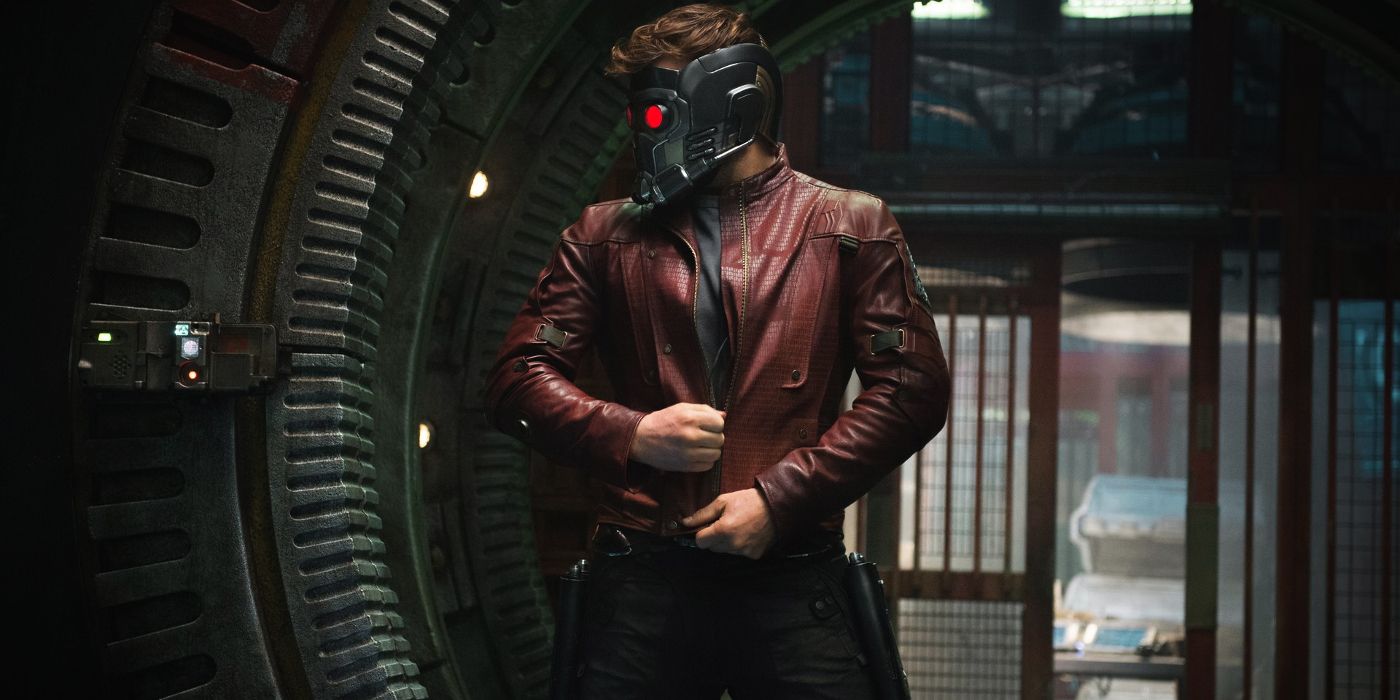
Initially deemed a risky venture, Guardians of the Galaxy showcased Marvel's ability to develop unexpected stories into cinematic gold. By introducing a ragtag team of misfits—including a talking raccoon and a sentient tree—the film successfully balances humor with heartfelt moments, thus enhancing the original comics’ portrayal of these characters.
James Gunn's direction emphasizes themes of found family, which resonate throughout the film and its sequels. Each character’s emotional journey underlines a sense of connection and loyalty seldom fully realized in earlier comic depictions. The expansion into cosmic Marvel, alongside the introduction of factions like the Nova Corps, provides the foundation for further exploration of character backstories and relationships in future films. This innovation showcases how films can take originally sporadic comic elements and weave them into a cohesive and engaging narrative.
Considered by many as the pinnacle of the X-Men series, X2: X-Men United deftly captured the essence of what it means to be a mutant in society. Delving into themes of discrimination and self-acceptance, the film illustrates how mutant identity intersects with societal challenges and fears.
With the introduction of new characters like Nightcrawler, the film navigates more profound questions about choice and acceptance, inviting comparison to the civil rights movements. This approach, while present in the comics, is portrayed here with a fresh and powerful lens, allowing audiences to engage with the material on an emotional level. The portrayal of this struggle resonates far beyond the superhero genre, prompting viewers to recognize parallels in real-world experiences and societal challenges.
The evolution of Marvel movies illustrates the profound impact cinema can have on narrative storytelling, especially when adapted from comics. Films like Captain America: The Winter Soldier, Iron Man, Avengers: Infinity War, and others have not only honored their source materials but expanded upon them in ways that explore deeper emotional themes and character complexities. By successfully integrating social issues with the survival of beloved characters, these movies have set a new standard for superhero storytelling that goes beyond mere entertainment, becoming a catalyst for discussions reflecting our world’s complexities.
As audiences eagerly await the next phases of the Marvel Cinematic Universe, they should anticipate further explorations of these characters and themes, reinforcing the notion that excellent storytelling transcends mediums.
For further exploration of Marvel narratives, consider these guides on topics like dystopian themes and character development.
Movie explanation
EpisodeBreakdown may use automated tools to assist research, drafting, and formatting. Published pages are governed by our editorial and corrections policies, and source links are shown when they are available in the article record.
Discovery source: CBR Movies. The source identifies where the topic was discovered; EpisodeBreakdown is responsible for the commentary published on this page.
Reader response
Reactions and poll results are based on real reader responses. No account is required.