Exploring the Most Suspenseful Thriller Movies of All Time
Dive into our in-depth analysis of the eight most suspenseful thrillers, exploring key themes, character choices, and unforgettable moments.
This analysis explores the significance of the best films of 2017, highlighting their themes, character arcs, and cultural impact.
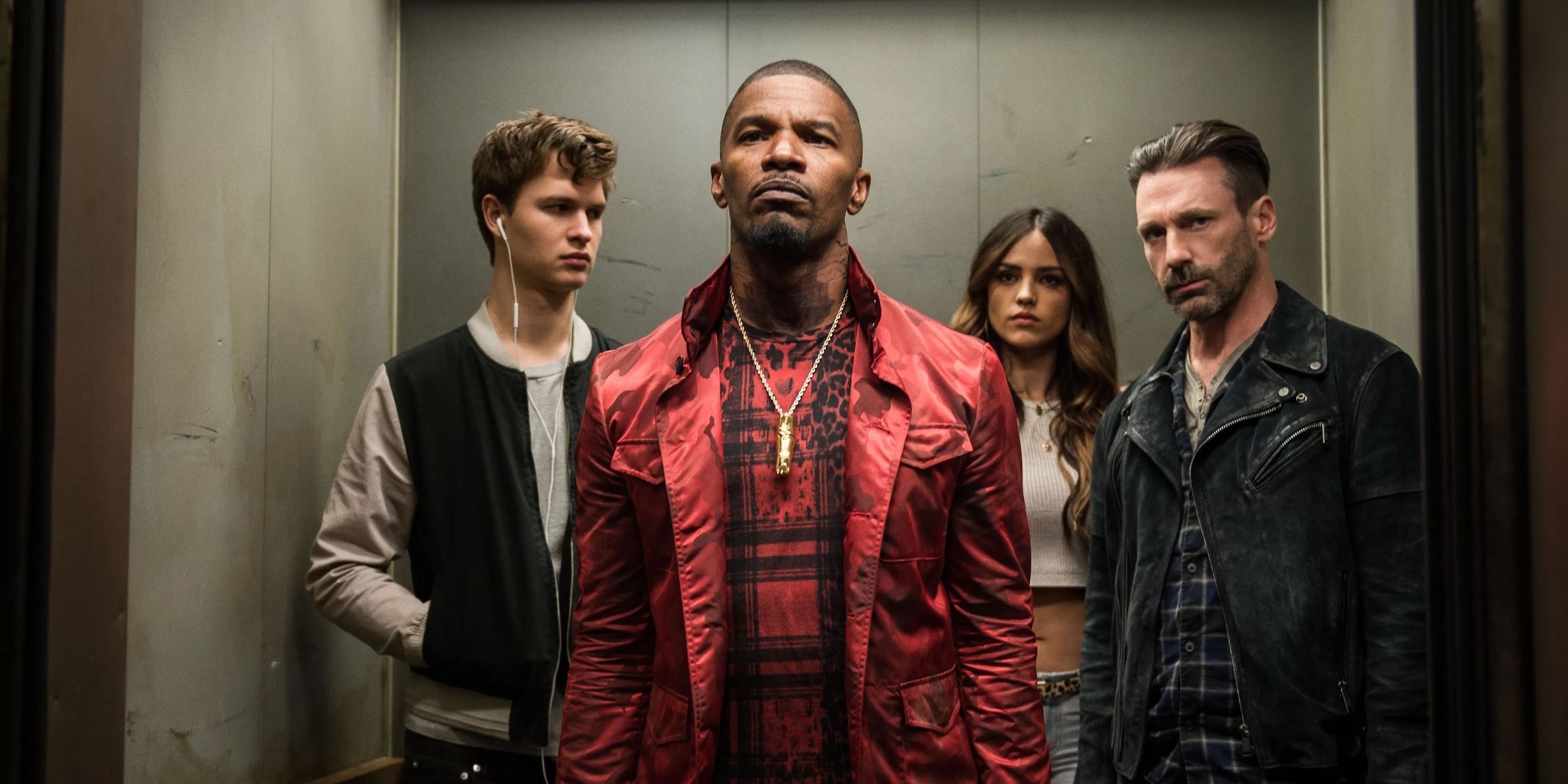
In simple terms, the central question regarding the best films of 2017 is: What makes these movies enduring masterpieces nearly a decade later? The answer lies in their innovative storytelling, social relevance, and memorable characters that resonate even today. Noteworthy releases such as Dunkirk, The Florida Project, and Good Time reflect not just artistic excellence but also the turbulent societal backdrop of their times, challenging audiences to confront deeper issues.
The cinematic year 2017 was marked by significant social changes, including the rise of movements like #MeToo and increasing political unrest. This atmosphere influenced many filmmakers to take risks with their narratives, resulting in films that not only entertained but provoked thought. Each of the standout films of this year employed distinct storytelling techniques to comment on contemporaneous cultural challenges.
Christopher Nolan's Dunkirk serves as a prime example of a film that redefined the war genre. By focusing on survival and human endurance rather than glorifying warfare, Nolan invites the audience to consider the chaos of battle through an unconventional narrative structure: three perspectives over different timeframes converge to paint a holistic picture of the Dunkirk evacuation. The film's minimal dialogue and emphasis on visuals are a striking departure from traditional war films, allowing viewers to feel the tension rather than be told about it.
The Florida Project, directed by Sean Baker, shifts focus to marginalized communities, framing childhood innocence against a backdrop of economic hardship. The film captures the vibrant yet precarious world of a six-year-old girl living in a budget motel near Disneyland. It challenges viewers to consider social class and privilege in America, effectively illustrating how happiness and hardship can coexist. Baker's use of real locations and non-professional actors lends authenticity, allowing audiences to develop a visceral connection with the characters.
In Lady Bird, Greta Gerwig's directorial debut, the central character's tumultuous relationship with her mother serves as a narrative anchor. The film uses this dynamic to explore themes of identity and self-discovery as Lady Bird, portrayed by Saoirse Ronan, grapples with her aspirations against her family's struggles. The conflict not only drives the plot but also reflects broader themes of generational friction and the quest for independence, making the film relatable to a wide audience. Gerwig's nuanced writing captures the awkwardness and beauty of adolescence, offering a poignant exploration of familial love.
Personal Shopper, directed by Olivier Assayas, presents a more introspective narrative, particularly through the lens of Kristen Stewart's character, Maureen. This psychological thriller blurs the lines between reality and fiction as Maureen tries to cope with the loss of her twin brother. The film utilizes modern technology, especially smartphones, to comment on our increasingly digital lives and our often-ambiguous connections with others. This exploration of identity speaks to contemporary existential concerns, positioning the film not only as a thrilling narrative but also as a profound meditation on grief and connection.
Three Billboards Outside Ebbing, Missouri, directed by Martin McDonagh, provides a bold look at issues surrounding grief and justice. Frances McDormand's character, Mildred, takes matters into her own hands when local authorities fail to solve her daughter's murder. The film's blend of dark comedy and serious themes creates a potent social commentary about systemic injustice and personal grief. The character arcs among the rural community's inhabitants expose varying perspectives, reflecting the complexity of morality in real-life conflicts. By intertwining humor with tragedy, McDonagh challenges viewers to reconsider their own responses to moral dilemmas.
Rian Johnson's Star Wars: The Last Jedi attracted polarized views upon release, primarily due to its bold narrative choices. This installment not only continued the overarching Star Wars saga but also took creative liberties that sparked widespread discussion among fans. By complexly reimagining characters like Luke Skywalker and Rey, Johnson layered the narrative with deeper moral questions about legacy, heroism, and personal growth. The film's risk-taking approach serves to remind audiences that sometimes the most contentious stories can yield the richest discussions about growth and change.
Starring Robert Pattinson, Good Time follows a bank robbery gone wrong, enveloping viewers in a tense atmosphere of desperation and flawed decision-making. The Safdie brothers depict a gritty underbelly of New York City, presenting a character study that explores themes of loyalty, regret, and the human inclination towards chaos. Pattinson’s performance is layered with nuance, showcasing an antihero pursuing love and redemption against all odds, which ultimately dives into the psychological struggles faced by those marginalized by society.
As these films demonstrate, 2017 was a unique year marked not only by cinematic brilliance but also by a deep engagement with social themes that continue to resonate. Whether through innovative storytelling, complex character development, or societal critique, these films have stood the test of time, offering valuable lessons for future filmmakers and audiences alike. The rich variety encapsulated in this year’s films reflects a diverse range of voices and perspectives that push the boundaries of traditional narrative structures.
The films from 2017 serve as a benchmark for storytelling that is both entertaining and thought-provoking. As the landscape of cinema continues to evolve, the successful elements of these films may inspire the next generation of filmmakers to tackle pressing social issues through innovative and empathetic storytelling. With their enduring themes and rich character landscapes, these films remind us that cinema remains a powerful medium for exploring the complexities of the human experience.
For further explorations of themes and cinematic styles, readers can engage with related articles such as the exploration of superhero films in All 38 Marvel MCU Movies Ranked: A Comprehensive Analysis, the insightful critiques of Roger Ebert on films from previous decades in Roger Ebert's Tough Critique of 90s Movies, and the examination of films that reshape narrative forms in Exploring the Lumière Summit: A Historic Gathering for Film Leaders.
Movie explanation
EpisodeBreakdown may use automated tools to assist research, drafting, and formatting. Published pages are governed by our editorial and corrections policies, and source links are shown when they are available in the article record.
Discovery source: Collider. The source identifies where the topic was discovered; EpisodeBreakdown is responsible for the commentary published on this page.
Reader response
Reactions and poll results are based on real reader responses. No account is required.