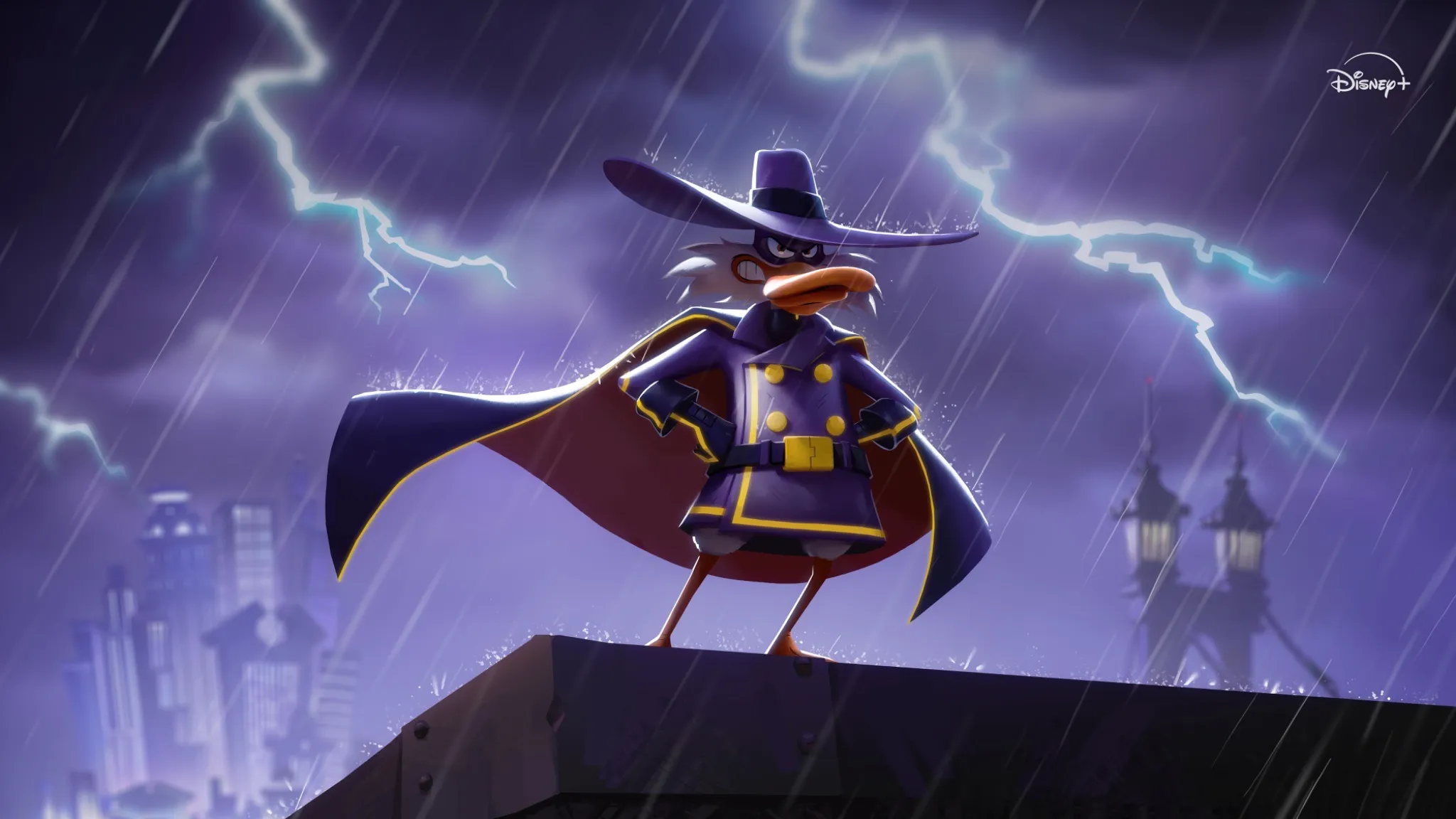
‘Darkwing Duck’ Reboot Ordered to Series at Disney+
Disney+ has officially ordered a reboot of ‘Darkwing Duck’ to series, featuring a star-studded voice cast, including Mark Hamill and Seth Rogen.
TVLine reveals a list of the 10 best recurring characters from the iconic series M*A*S*H, highlighting their unique contributions to the show.
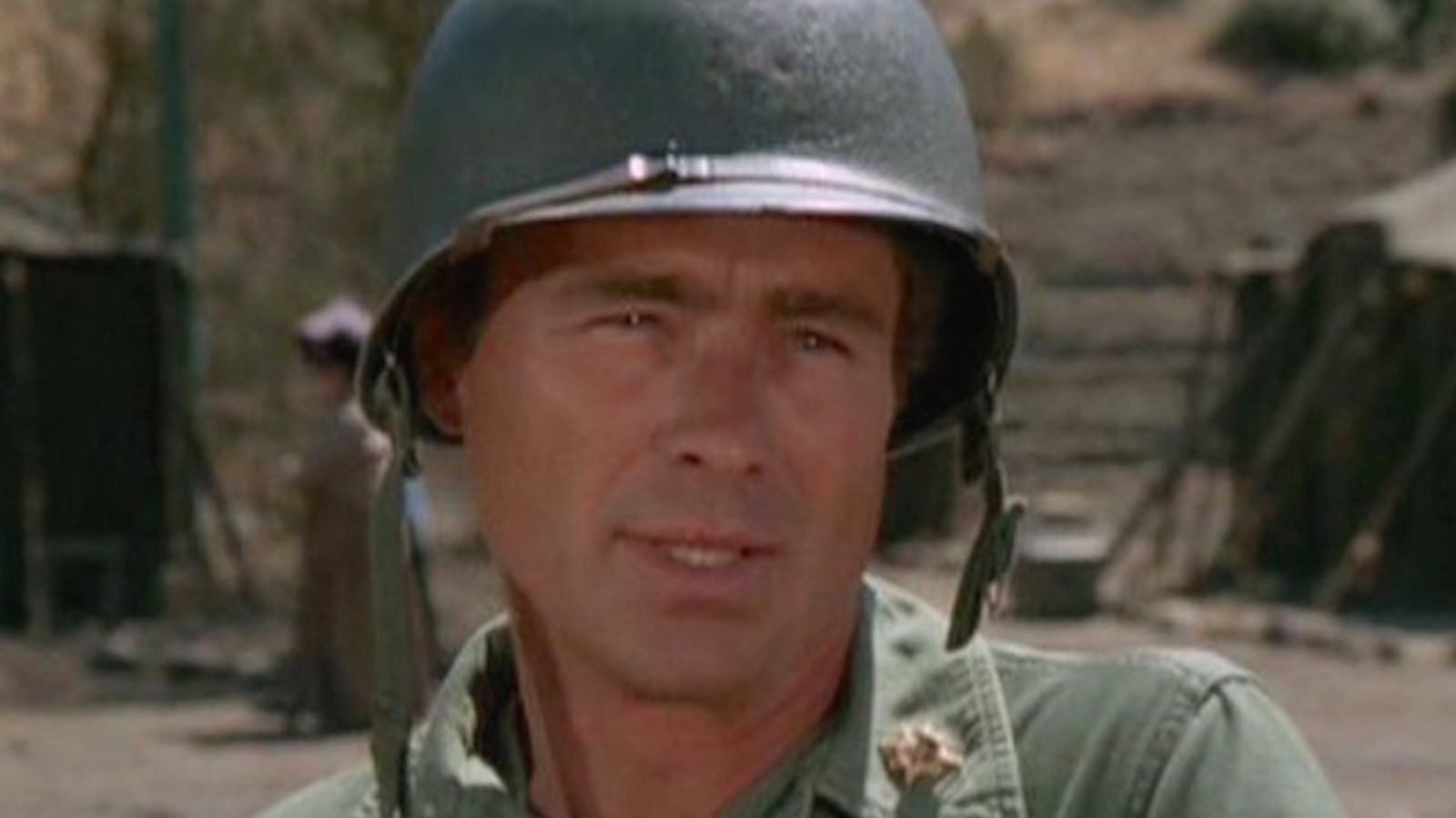
A recent article from TVLine has ranked the top ten recurring characters from the beloved series, MASH*. The show, recognized for its unique blend of humor and drama, aired from 1972 to 1983 and remains a significant part of television history. The rankings highlight the enduring impact of these characters, who have resonated with audiences long after the show ended.
TVLine’s ranking showcases characters that enhanced the narrative over the series’ 11-season run, each appearing in at least two episodes without being credited as regulars. For instance, Sidney Freedman, played by Allan Arbus, stands out for his pivotal role as a psychiatrist who helps the team cope with the realities of war, underscoring the series’ deeper themes regarding mental health amid chaos. In contrast, Igor Straminsky, portrayed by Jeff Maxwell, adds humor as the camp's perpetually confused cook's assistant, appearing in over 80 episodes.
The inclusion of recurring characters like Kellye Yamato and Luther Rizzo enriches the series' fabric. Kellye, portrayed by Kellye Nakahara, appears in 167 episodes, often serving as a reliable yet underappreciated presence at the camp. On the other hand, Rizzo, played by G.W. Bailey, introduces a laid-back demeanor, offering comic relief against more serious themes that emerged in later seasons.
The dynamics these characters created against the backdrop of the Korean War allowed MASH* to effectively delve into both comedic and serious moments, highlighting the absurdities of war while humanizing those involved.
Among the highlighted characters, Hawkeye Pierce’s romantic advances towards nurses like Peggy Bigelow (Enid Kent) added layers of complexity to the seemingly light-hearted interactions in the camp. Peggy’s playful responses to Hawkeye also showcased a more diverse perspective on female characters during that era.
Moreover, the ranking features characters like Colonel Sam Flagg, whose jingoistic approach serves as a humorous critique of military bureaucracy, keeping the show’s anti-authoritarian message alive even amid poignant narratives.
TVLine’s examination of these recurring roles illustrates their essential functions, providing comic relief while also addressing significant social themes. Each character leaves a distinct mark, enhancing viewers’ emotional investment in the narrative.
The recognition of these memorable characters reinforces MASH*'s legacy as a pioneering series that balanced humor with serious subjects. This sustained interest in MASH* exemplifies the show's remarkable ability to resonate with audiences decades after its original run.
Fans of MASH* can reflect on these characters’ contributions, celebrating their roles in shaping a series that continues to be referenced and cherished in contemporary culture. For a detailed look at the full ranking and character analysis, visit the original article on TVLine here.
Entertainment news
EpisodeBreakdown may use automated tools to assist research, drafting, and formatting. Published pages are governed by our editorial and corrections policies, and source links are shown when they are available in the article record.
Discovery source: TVLine. The source identifies where the topic was discovered; EpisodeBreakdown is responsible for the commentary published on this page.
Reader response
Reactions and poll results are based on real reader responses. No account is required.