
Spider-Man: Brand New Day's Box Office Marvel
Analyzing the success of Spider-Man: Brand New Day's incredible box office performance and deeper themes.
A deep dive into the finest spy films of the 1960s, showcasing themes, character choices, and cinematic innovations.
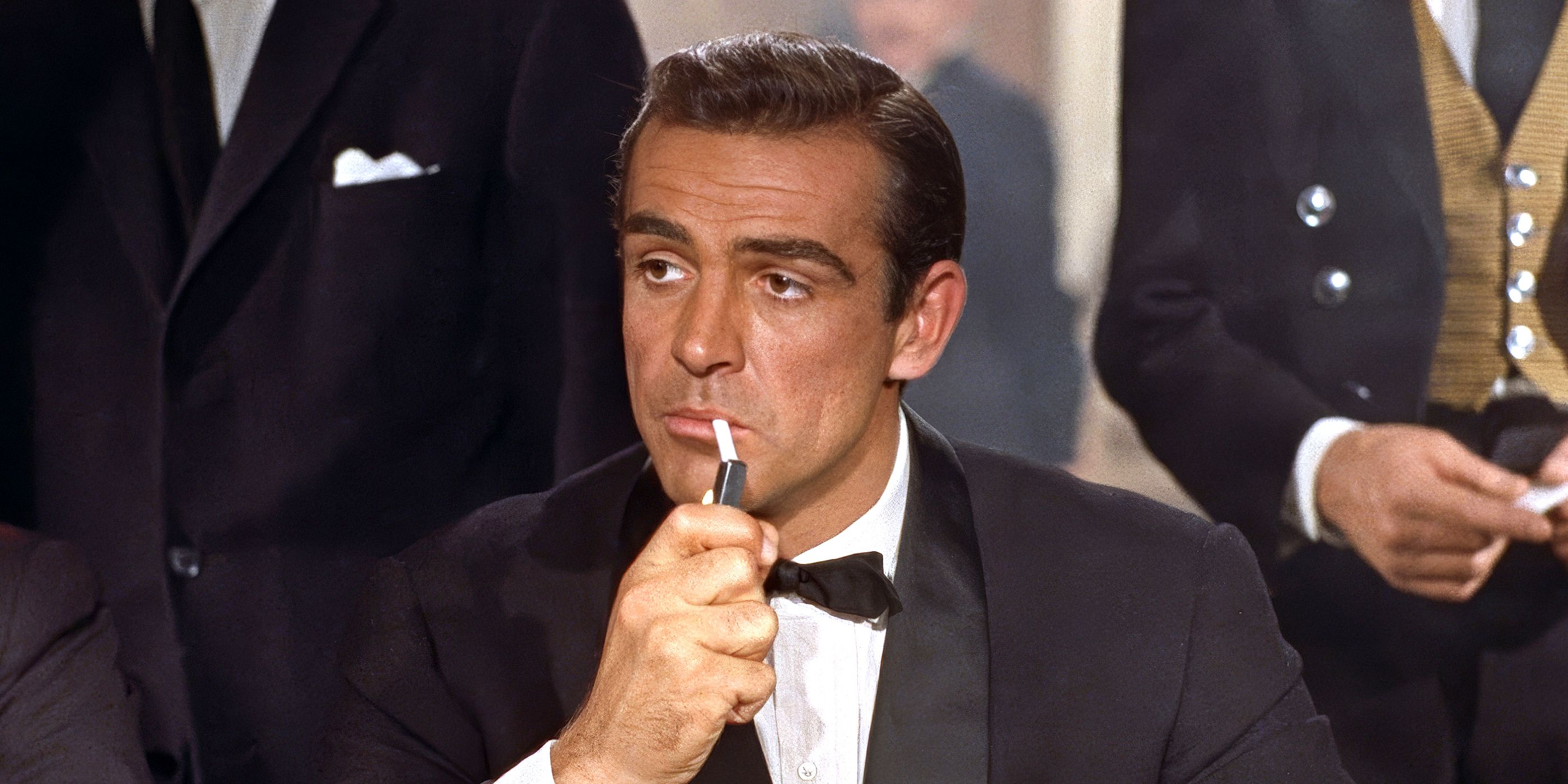
In simple terms, the best spy movies of the 1960s encapsulate a critical period in cinematic history, marked by espionage narratives reflecting socio-political anxieties of the Cold War. Each film not only brought thrilling action and intrigue but also explored deeper themes, such as morality, trust, and the human psyche under duress. This decade revealed a distinct evolution in how spies were portrayed, from suave gentlemen to more gritty, complex characters.
The central question that emerges is: What factors contributed to the exceptional quality of spy films during this decade? A blend of innovative storytelling, evolving cinematic techniques, and a heightened interest in intelligence, conspiracy, and betrayal solidified the genre's legacy.
One hallmark of 1960s spy films is the emergence of James Bond as a prominent figure in the genre. With Dr. No (1962), audiences were first introduced to Sean Connery’s iconic portrayal. While it established the quintessential roles and features of a spy film—exotic locales, stylish villains, and thrilling chase sequences—it also provided a framework for future films. Consequently, Goldfinger (1964) leveraged this foundation, introducing a more robust narrative structure. The film’s central conflict involves Bond thwarting a grand conspiracy against the U.S. economy, which emphasizes not just the excitement of espionage but the stakes involved.
Confirming this trend, moviegoers were not just seeing a hero; they were also engaging with a world filled with moral complexities and political entanglements. Subsequent films like From Russia with Love further built on these themes, giving audiences a glimpse into the heart of Cold War anxieties.
While films like Goldfinger and Thunderball provided action-packed escapades, others ventured into darker psychological terrains. A film like The Manchurian Candidate (1962) epitomizes this shift, presenting a narrative that explores themes of brainwashing and manipulation. The protagonist’s internal struggles reflect broader societal fears during a time of political tension and warfare.
What is confirmed is that this film profoundly influences the audience's perception of the spy genre. It’s not merely about action or glamour, but rather the disturbing psychological realities hidden beneath. This exploration set up a diverse landscape for spy films, demonstrating the flexibility of the genre to tackle serious themes while still delivering thrills.
Throughout the 1960s, the portrayal of spies evolved significantly. With characters like Harry Palmer in The Ipcress File (1965), played by Michael Caine, audiences saw a departure from the suave, unflappable heroes typical of the Bond franchise. Palmer’s approach to espionage is marked by a more grounded and relatable demeanor, focusing on human doubts and moral ambiguities rather than the sheer excitement of adventure.
This shift in character portrayal reflects a desire for relatability in an increasingly uncertain world. Unlike many Bond films that rely on over-the-top scenarios, The Ipcress File delves into the bureaucratic and often tedious experiences of spies, reminding viewers that not every espionage operation involves high-speed chases or dramatic showdowns.
The 1960s also heralded advancements in filmmaking techniques, with each spy film pushing boundaries in terms of narrative and visual style. Charade (1963), featuring Audrey Hepburn and Cary Grant, demonstrated how a blend of comedy and suspense could be masterfully woven. It employed playful storytelling, appealing to both the humor and thrill of espionage, a testament to its placement in the genre.
This evolution in storytelling is further exemplified by On Her Majesty’s Secret Service (1969), which introduced more emotional depth to its characters. Not only was Bond’s cool demeanor intact, but the film also explored his vulnerabilities, making him a more human hero. This character development paved the way for future explorations of emotional stakes within the spy genre, setting a standard that would resonate in later decades.
Themes of betrayal, loyalty, and truth are heightened throughout these cinematic experiences. Films like Army of Shadows (1969) showcase the intricate and often morally ambiguous nature of espionage during wartime, contrasting sharply with the glamorization seen in some of its contemporaries. In this film, the pressures of war and loyalty to one’s cause clash, creating a palpable tension that resonates today.
This thematic richness offers layers of meaning, inviting audiences to reflect on their views of morality in a world of espionage. The lines between good and evil blur, challenging perceptions and provoking thought regarding loyalty to country versus personal beliefs.
As we analyze the landscape of 1960s spy films, it becomes clear that their legacy transcends thrilling entertainment. They provide significant cultural commentary, speaking to the tensions and psychological strains of their time. The genre's transformation during this decade laid the groundwork for diverse narratives in not only spy films but also action cinema as a whole.
In summary, The Ipcress File, Goldfinger, and The Manchurian Candidate exemplify the range and depth achievable in spy films. They remind us that cinema can be a lens through which we examine societal issues, personal conflicts, and moral dilemmas while engaging with thrilling narratives.
In conclusion, the legacy of 1960s spy films invites contemporary filmmakers to explore complex narratives while remaining grounded in character development. As the genre evolves, the contributions of this influential era cannot be overlooked; they serve as a catalyst for both cinematic innovation and cultural reflection, paving the way for modern spy narratives that continue to resonate with audiences. With a rich heritage, the genre asserts its importance as a conduit for both entertainment and deeper examination of society.
For those interested in a broader exploration of cinema, consider checking out 5 Movies Tom Cruise Should Have Won an Oscar For or Analyzing the Best Warner Bros. Movies of All Time.
Movie explanation
EpisodeBreakdown may use automated tools to assist research, drafting, and formatting. Published pages are governed by our editorial and corrections policies, and source links are shown when they are available in the article record.
Discovery source: Collider. The source identifies where the topic was discovered; EpisodeBreakdown is responsible for the commentary published on this page.
Reader response
Reactions and poll results are based on real reader responses. No account is required.