movies
Exploring the Themes of Teenage Identity in 'Teenage
Explore the most impactful films from Warner Bros., dissecting plot, themes, and character choices.
Warner Bros. has had a profound impact on cinema since its inception in 1923. From classic films to modern masterpieces, the studio has produced a wealth of significant works that define and redefine genres. In simple terms, this analysis aims to explore the best Warner Bros. movies of all time to answer the central question: What are the themes and character choices that have contributed to their iconic status?
The confirmed highlights include timeless classics like "Blazing Saddles," which challenges societal norms through humor, and "Goodfellas," a gritty depiction of the mob life that immerses viewers in its realism. The uniqueness of each film lays in the clever intertwining of plot and character developments, which capture audiences beyond their initial viewing.
"Blazing Saddles" stands as a testament to satire's capability when addressing serious issues such as racism. In the narrative, Black sheriff Bart is appointed to the overwhelmingly white town, creating an uproar that serves as both comedy and social commentary. The film's humor relies on breaking the fourth wall and absurdist gags, positioning it as an essential study in comedic timing and the power of laughter as a means to confront prejudice. What remains unknown is how future comedic works will build upon the foundation laid by this daring film.
Martin Scorsese’s "Goodfellas" is often regarded as a benchmark for mob films. The audience follows protagonist Henry Hill’s turbulent journey from aspiration to disillusionment. Scorsese cleverly juxtaposes intense scenes of violence with moments that feel personal, specifically the familial elements that underscore loyalty and betrayal. This interplay is precisely what elevates the film from mere crime story to an exploration of identity and consequences. Insights from these character choices reveal the complexity of ambition and the cost of the American Dream, making it essential viewing for enthusiasts of character-driven narratives.
Errol Flynn's portrayal in "The Adventures of Robin Hood" exemplifies the quintessential hero—charming yet audacious. Alongside classic plots filled with adventure and romance, Flynn's ability to captivate through charisma is confirmed as vital to the film's success. The blend of action and romance transforms a straightforward narrative into an epic tale that resonates with audiences across generations. This classic film continues to impact how heroism is portrayed in contemporary films.
Christopher Nolan’s "Inception" excels in its ambitious narrative that explores the complexities of dreams and reality. With a tightly woven plot structure, the film challenges audiences to engage with its numerous layers while raising philosophical questions about consciousness. Cobb’s journey is a metaphor for facing one’s demons, making the film a psychological adventure as much as it is a heist thriller. The emotional weight attached to each character decision reinforces the film’s thematic depth, inviting viewers to revisit it time and again for new insights. The speculation remains about how Nolan’s subsequent works might emerge from such a potent exploration of identity.
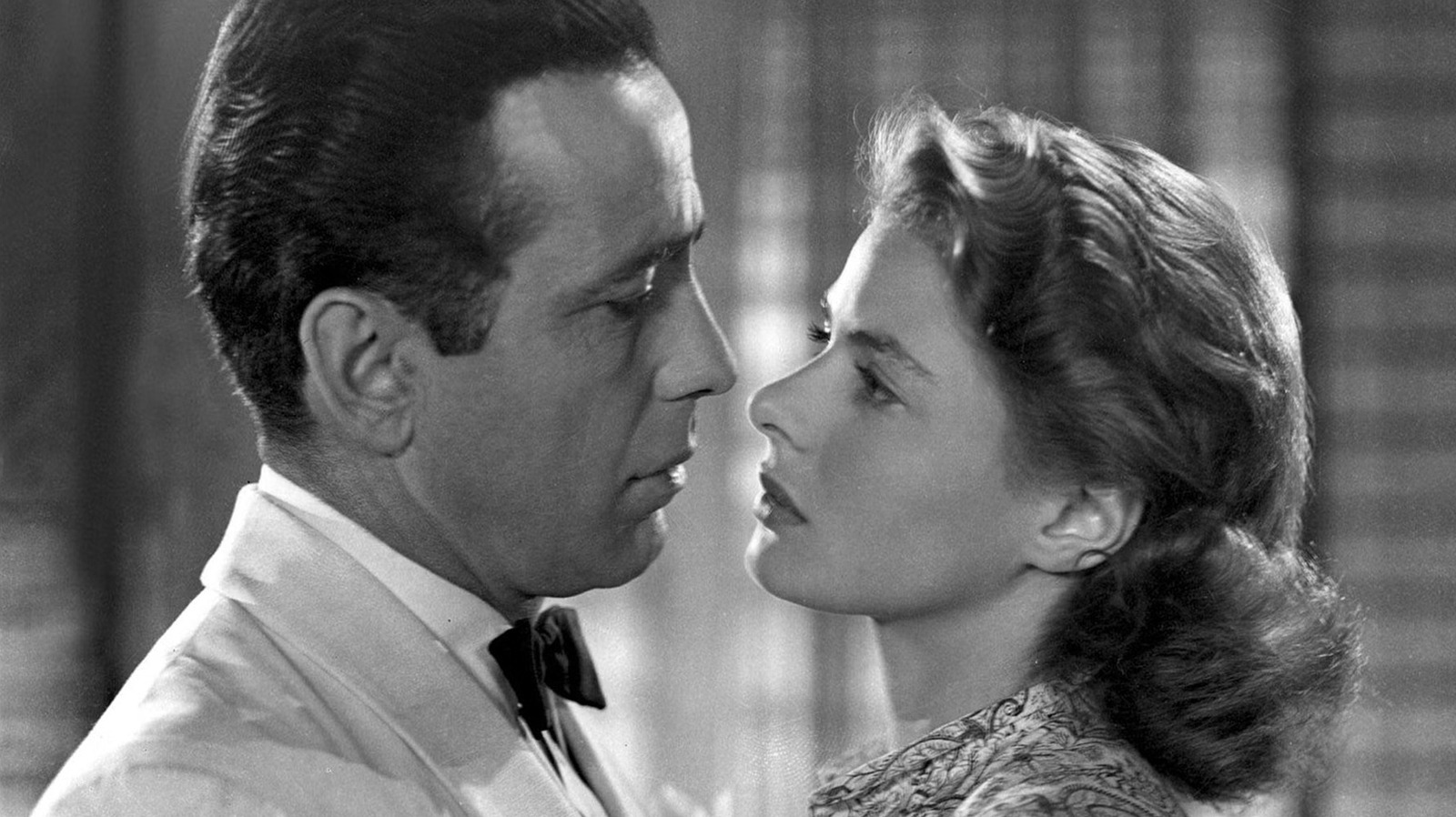
Humphrey Bogart’s portrayal in "The Big Sleep" showcases the charm and intensity synonymous with film noir. The chemistry between Bogart and Bacall enhances the narrative complexity while revealing themes of loyalty and moral ambiguity. As the plot unfolds through a series of twists, it reflects the chaos of human relationships amid a backdrop of crime. The legacy left by this film informs the development of noir as a genre, where echoes of ethical dilemmas continue to resonate in contemporary cinema.
The analysis of Warner Bros.' best films illustrates a distinctive filmography marked by innovation, depth, and cultural discourse. Each of these celebrated movies reinforces the idea that movies are not just for entertainment; they serve as reflections on society, intricate narratives exploring the human condition. The ongoing evolution of cinema, especially with the studio's potential future changes, raises questions about what next chapter will unfold in Warner Bros.' storied history. As filmmakers continue to draw inspiration from these masterpieces, the enduring relevance of themes explored in these films ensures they will remain essential components of cinematic study.
In conclusion, Warner Bros. not only shaped the film landscape but continues to serve as a benchmark for excellence. Through an examination of these iconic movies, we can better appreciate not only the craft of filmmaking but the complexities of storytelling itself. Whether revisiting classics or exploring newer works, understanding the nuanced character choices and embedded themes provides invaluable context for both film lovers and casual viewers alike.
Movie explanation
EpisodeBreakdown may use automated tools to assist research, drafting, and formatting. Published pages are governed by our editorial and corrections policies, and source links are shown when they are available in the article record.
Discovery source: Slashfilm. The source identifies where the topic was discovered; EpisodeBreakdown is responsible for the commentary published on this page.
Reader response
Reactions and poll results are based on real reader responses. No account is required.
This article dives into the key themes and character motivations of 'Teenage Sex and Death at Camp Miasma,' revealing a deeper understanding of youthful exploration.