test
asdasd
In Big Walk, the ending encapsulates deep emotional ties forged through gameplay. It's a poignant farewell that reinforces the bonds of friendship.
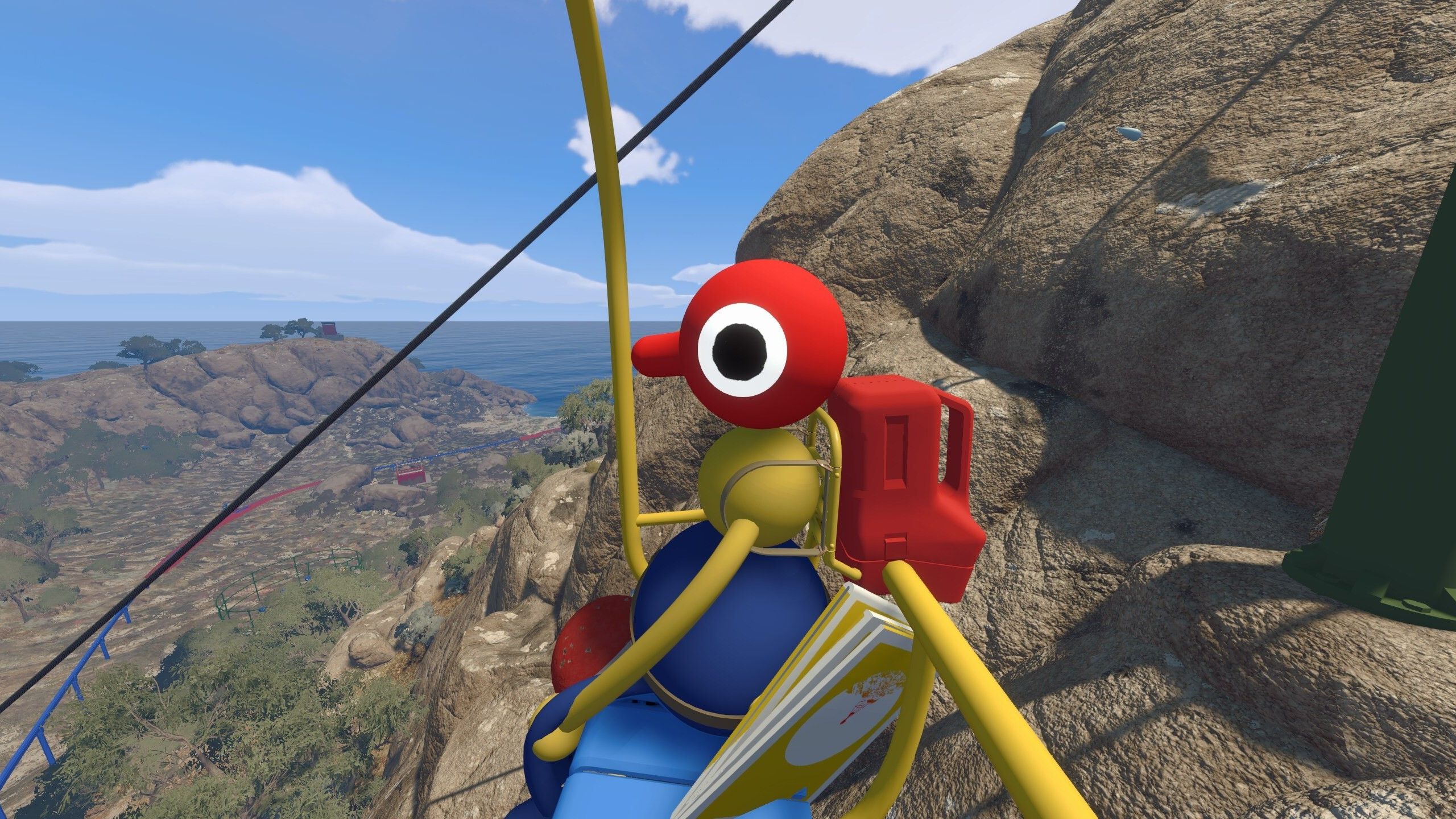
In simple terms, the ending of Big Walk is an emotionally stirring farewell that highlights the significance of teamwork, trust, and communication forged between players throughout their adventure. After completing an array of puzzles together, players find themselves entering a surreal space where they lose their ability to communicate verbally, creating a unique challenge that solidifies the bonds formed during the game.
Throughout Big Walk, players work collaboratively to navigate a vibrant island filled with engaging puzzles. Each puzzle requires collective effort, relying heavily on both verbal and non-verbal communication. The objective is to collect red gourds to unlock keys from multiple towers, giving players access to a giant gate that ultimately leads to life’s larger mysteries beyond the horizon.
Upon crossing this gate, players are transported into a surreal tower devoid of color and sound, embodying their characters' mute communication. This transition into silence serves as the ultimate test of the friendships nurtured throughout the journey, as players must rely solely on body language and previously established connections to solve intricate puzzles.
Inside the tower, a series of challenges await that strip players of their voices and color-coded identities. This environment forces them to navigate based on mutual understanding, with players instinctively utilizing gestures that have become second nature during their gameplay. Each individual learns to interpret the signals of their teammates, which showcases the emotional intelligence built through hours of cooperation.
One joyful moment in this sequence comes when a player humorously carries a teapot throughout the puzzles, showcasing the intimate connections that have formed among the team. Familiarity with each other’s quirks becomes a form of communication in itself, further enhancing the depth of player relationships.
Upon conquering the tower's final puzzles, the players emerge back into a restored environment, where color and sound return. This shift symbolizes a return to normalcy and a celebration of the experiences shared. They encounter a couch in front of a projector, displaying the end credits, providing a brief respite to reflect on their interactions and victories.
This moment transforms into an opportunity for emotional catharsis, as players finally converse about their experiences. Here, they share insights about how they recognized one another, each story laden with shared memories and inside jokes, mirroring the bittersweet nature of reminiscing with friends.
As players process these jubilant moments, they face the last obstacle: a turnstile linked to the unique colors chosen by their teammates. Each player must cross this gate alone, illuminating how individual identities have now formed from collective experiences. This turnstile, like the earlier puzzles, demands communication and trust. As each player crosses into the light, they begin to fade from the proximity chat, further emphasizing the theme of separation and farewell.
This poignant ending resonates deeply with players, channeling feelings of nostalgia and prompting reflections on past friendships. The final splash screen thanking players for their participation underscores the transient nature of connections, even in a virtual environment.
Big Walk crafts an experience designed to evoke strong emotions that linger long after the game ends. The confirmed meaning is straightforward: the game beautifully encapsulates the essence of friendship and the impact of collaborative experiences. It reinforces the notion that bonds formed in virtual spaces can reflect genuine relationships.
Plausible interpretations delve deeper into what it means to communicate, both in gaming and in life. The interplay of sound and silence and the loss of color reflect broader themes about identity formation and the intricacies of personal connections, making players ponder their own friendships and experiences.
Despite the emotional encapsulation of the ending, there remain unanswered questions. For instance, what does crossing into the white light ultimately symbolize concerning loss or new beginnings? How do player choices affect their journey, given the cooperative nature of the game?
The conclusion shifts the perspective on interaction and bonds formed through digital experiences. The narrative achieves a stunning resonance as it lays bare the poignant reality of farewells, urging players to cherish the friendships they forge, regardless of the medium.
The ending of Big Walk signifies more than just an emotional culmination; it serves as a reminder of the connections we build and the inevitable separations we face. Every friendship leaves us with memories and lessons, echoed by the game's mechanics and story. Players carry forward the essence of their virtual companions, enhancing their appreciation of both gaming and real-life relationships. As a game that initially appears lighthearted, Big Walk ultimately delivers one of gaming's most heartfelt experiences.
For more insights into impactful storytelling in video games, check out our analyses of other game endings such as Dangers in My Heart Confirms Finale and explore how different narratives shape our understanding of characters and friendships.
Ending explanation
EpisodeBreakdown may use automated tools to assist research, drafting, and formatting. Published pages are governed by our editorial and corrections policies, and source links are shown when they are available in the article record.
Discovery source: Polygon Entertainment. The source identifies where the topic was discovered; EpisodeBreakdown is responsible for the commentary published on this page.
Reader response
Reactions and poll results are based on real reader responses. No account is required.