Halloween Franchise: A Cycle of Reboots and Diminished Returns
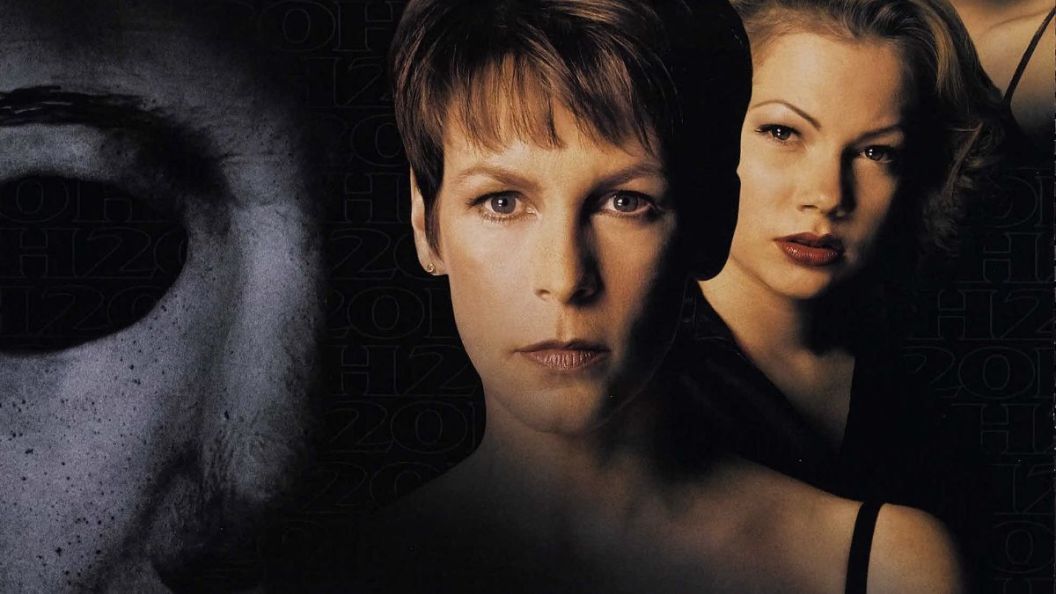
The Halloween franchise's obsession with reboots has created a cycle of diminishing returns, frustrating fans and complicating its legacy.
Explore the dynamics behind the soaring success of the highest-grossing films, revealing trends and standout moments in cinematic history.
The question posed by the ever-evolving box office landscape is: What truly makes a film resonate with global audiences to the extent of becoming a top grosser? In simple terms, it's a blend of innovative storytelling, emotional connections with characters, and the timeliness of their releases. The current rankings reveal not only audience preferences but also highlight how changing dynamics in the film industry can reshape box office expectations.
Reports signify that 2026 has already introduced three high-performers, namely Toy Story 5, The Odyssey, and Spider-Man: Brand New Day, with the latter breaking past the billion-dollar mark and settling into 12th place on the all-time list. This marks an intriguing trend where franchise films, particularly family-oriented or superhero narratives, dominate the box office—as evidenced by Disney's firm grip on the top ten.
Over the years, we have witnessed a fierce battle for box office supremacy, particularly highlighted by the contest between Avengers: Endgame and Avatar in 2019. This phase of cinematic rivalry showcased how each film utilized marketing strategies, nostalgia, and groundbreaking visual effects to capture audience interest.
Confirmed events show that Avengers: Endgame first dethroned Avatar, but with a strategic re-release in China, Avatar reclaimed its title, underscoring the importance of international markets in today’s box office success. However, the unexpected resurgence of films like Spider-Man: No Way Home and Top Gun: Maverick provides a refreshing perspective, indicating a broader resurgence of the theatrical experience post-pandemic.
Franchises have become the backbone of box office earnings. In this context, the performances of Disney's animated features such as Inside Out 2 and Zootopia 2 tell us that familiarity breeds success. Audiences are drawn to established characters and stories that evoke nostalgia while also appealing to newer generations. This is especially relevant in understanding the rise of films like Toy Story 5, which not only holds a long-standing reputation but also enhances its value by incorporating contemporary themes relevant to today’s viewers.
Significant clues about audience sentiment can be derived from the way nostalgia operates within franchises. The collective memories and emotional weight carried by these films enable them to land at record box office heights. This trend is compounded by the effectiveness of marketing campaigns that capitalize on social media engagement, which fuels hype and audience anticipation.
The COVID-19 pandemic had a profound impact on how films are released and received. The forced closures of theaters led filmmakers to rethink their distribution strategies. The success of Spider-Man: No Way Home rejuvenated interest in cinemas, showcasing that audiences were eager for communal viewing experiences after a prolonged period of isolation. Movies that could incite communal feel-good emotions emerged as audience favorites, indicating a psychological shift towards escapism through cinema.
The pandemic’s remnants can be seen in how studios strategically released films across various platforms; confirmed search patterns showed an intentional shift towards hybrid releases for blockbusters, allowing viewers to choose between theater and home viewing. This adaptability has become crucial in attracting audiences to newer films while still allowing existing franchises to flourish.
Spider-Man: Brand New Day stands as a prime example of how films can achieve remarkable box office success while also providing a fresh perspective within a familiar franchise. Its ability to resonate with audiences was not only due to the engaging plot but also the way it explored modern themes of resilience and friendship in a superhero context. Considering the characters—played effectively by Tom Holland, Zendaya, and others—further anchored the viewer's emotional investment.
The film's technical craftsmanship, coupled with a clever marketing strategy, made it one of the fastest films to shoot past crucial box office milestones. What is confirmed is that the combination of strong character arcs, humor, and relatable challenges invites the audience into an engaging narrative. Its potential to challenge The Force Awakens' monumental box office figures demonstrates the potency of brand loyalty combined with novel storytelling techniques.
Looking at the overall box office statistics, Disney now boasts a significant presence, claiming eight of the top ten highest-grossing films, including collaborations like Titanic. This monopoly raises questions about market saturation and the sustainability of such dominance. Ultimately, it suggests that while franchises and established properties can attract audiences, there lies an essential need for fresh narratives and innovation to keep the box office landscape dynamic.
The future of box office films will likely hinge on how studios balance nostalgia and innovation, cultivating new properties that can stand alongside established brands. The continual evolution in storytelling methods and technology will also dictate which films ascend to box office glory.
As we analyze the ever-changing landscape of box office titans, it becomes clear that success is not merely a function of production costs or star power. Instead, a nuanced understanding of audience preferences, cultural moments, and innovative storytelling will dictate the future of cinematic masterpieces. Studios that grasp these principles will be poised to make their mark as future box office champions. Expect to see adaptations of original works or unproven properties given a chance in tandem with continuing franchise behemoths—a balancing act essential for the next wave of cinematic success. This blend of old and new will continue to define and reshape the audience’s cinematic experience, fostering a future rich with possibilities.
Movie explanation
EpisodeBreakdown may use automated tools to assist research, drafting, and formatting. Published pages are governed by our editorial and corrections policies, and source links are shown when they are available in the article record.
Discovery source: Rotten Tomatoes News. The source identifies where the topic was discovered; EpisodeBreakdown is responsible for the commentary published on this page.
Reader response
Reactions and poll results are based on real reader responses. No account is required.