Spider Man
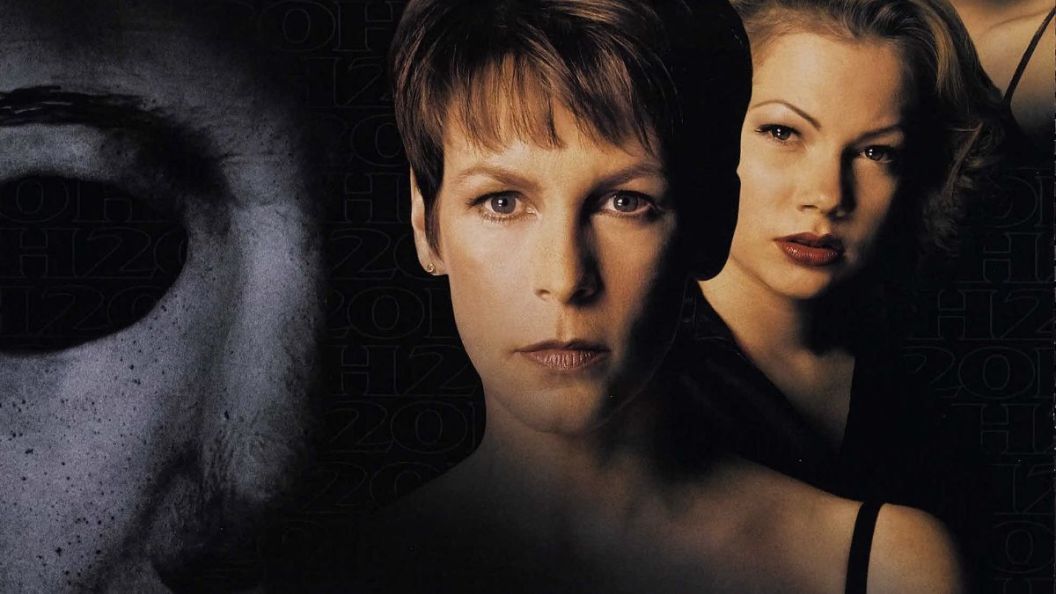
Halloween Franchise: A Cycle of Reboots and Diminished Returns
The Halloween franchise's obsession with reboots has created a cycle of diminishing returns, frustrating fans and complicating its legacy.
Explore the evolution of Spider-Man films and the significance of character dynamics and themes.
What makes Spider-Man’s cinematic journey resonate across different adaptations? In simple terms, it’s the character’s enduring relatability and the exploration of personal sacrifice amid grand superhero narratives. Spider-Man, through various portrayals, has underscored universal themes of responsibility, identity, and redemption, making it a cornerstone of modern cinema.
Spider-Man first swung into theaters with director Sam Raimi’s visionary take in 2002. Tobey Maguire brought Peter Parker to life, effectively establishing what it means to be a hero grounded in real-world struggles. The film not only showcased classic comic elements but also emphasized emotional weight through the tragic loss of Uncle Ben. This emotional core is crucial; it juxtaposes Peter’s youthful exuberance against the harsh realities of life, striking a chord with audiences.
The original trilogy was pivotal in shaping the superhero genre. Key turning points include Peter’s intense encounters with foes like the Green Goblin and Doctor Octopus, both emblematic of Peter’s internal conflicts. For instance, the poignant relationship between Peter and Mary Jane serves as an emotional anchor. Raimi’s ability to blend action with heartfelt moments set a high bar, contributing to the franchise's lasting legacy.
Following a successful trilogy, the franchise underwent a reboot with The Amazing Spider-Man in 2012. This version, with Andrew Garfield as Parker, aimed to introduce a more grounded and realistic portrayal. While the film received mixed reviews, it attempted to explore Peter's relationships, particularly with Gwen Stacy, enhancing the emotional stakes. However, the sequel fell into the common pitfall of introducing multiple villains without adequately developing them, resulting in a diluted narrative.
The Marvel Cinematic Universe (MCU) saw a new era for Spider-Man, integrating him into a broader narrative fabric. Tom Holland’s portrayal began with Captain America: Civil War, allowing audiences to witness Spider-Man’s youthful exuberance paired with Tony Stark's guidance. This relationship redefined Peter’s journey, emphasizing mentorship and companionship, complementing the themes of identity crisis and growing up. Spider-Man: Homecoming represents a critical turning point, effectively balancing superhero elements with teenage coming-of-age scenarios, a departure from earlier, heavier themes.
Across the various iterations, recurring themes emerge—such as the concept of dual identities and the moral responsibilities that accompany power. In Raimi's films, the idea of sacrifice is prevalent; characters often sacrifice their happiness for the greater good. Holland’s Spider-Man amplifies these themes through modern dilemmas, where personal stakes clash with public responsibilities. In Spider-Man: No Way Home, this is pushed further as Peter’s identity becomes public knowledge, complicating his relationships and forcing him to confront the fallout of his choices.
Spider-Man’s rogues gallery is known for its depth and complexity. Each villain not only serves as a formidable foe but often reflects aspects of Peter's character. In Raimi’s trilogy, Green Goblin and Doctor Octopus embody different facets of ambition and loss, forcing Peter to grapple with his own motivations and fears. Similarly, in the MCU, characters like Mysterio challenge Peter's self-identity and place in a world filled with larger-than-life heroes. For a deeper dive into these dynamics, check out our article on Exploring the Iconic Villains of 'Spider-Man: Brand New Day'.
The endings of each Spider-Man film often encapsulate the series' core messages. In No Way Home, the resolution leaves Peter with a poignant choice of erasing his friends from his memory to protect them, symbolizing his growth. This sacrifice follows the established theme of personal loss, resonating with earlier films while paving the way for future stories. Holland's ongoing iteration reflects Spider-Man’s adaptability, hinting at more layers to explore in upcoming films like Brand New Day.
Ultimately, Spider-Man's various portrayals across cinema encapsulate the character's enduring appeal. Each adaptation adds unique layers to Peter Parker’s story, addressing timeless themes while also evolving with contemporary audience expectations. As new films continue to emerge, fans can look forward to fresh explorations of identity, sacrifice, and the inherent challenges of being a hero. For further insights, discover more in our ranking of Spider-Man movies here.
An Analysis of Spider-Man’s Cinematic Evolution
Explore who Spider-Man is across different films and what enduring themes make the character resonate with audiences.
Spider-Man, movie analysis, MCU, Tom Holland, Tobey Maguire
Movie explanation
EpisodeBreakdown may use automated tools to assist research, drafting, and formatting. Published pages are governed by our editorial and corrections policies, and source links are shown when they are available in the article record.
Discovery source: Rotten Tomatoes News. The source identifies where the topic was discovered; EpisodeBreakdown is responsible for the commentary published on this page.
Reader response
Reactions and poll results are based on real reader responses. No account is required.
Explore the dynamics behind the soaring success of the highest-grossing films, revealing trends and standout moments in cinematic history.