Spider Man
Halloween Franchise: A Cycle of Reboots and Diminished Returns
The Halloween franchise's obsession with reboots has created a cycle of diminishing returns, frustrating fans and complicating its legacy.
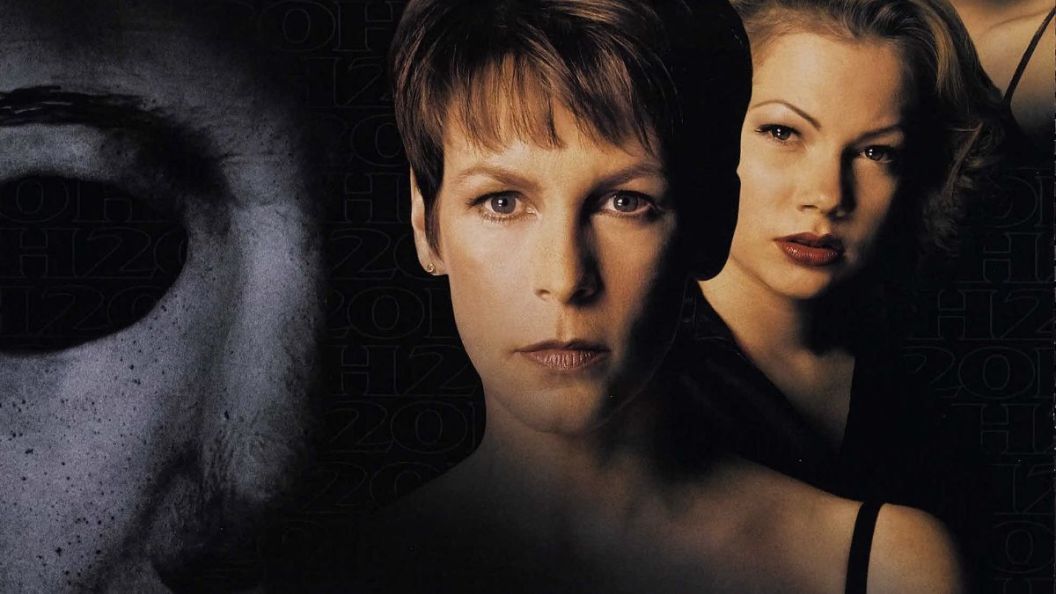
The Halloween franchise's obsession with reboots has created a cycle of diminishing returns, frustrating fans and complicating its legacy.
In simple terms, the Halloween franchise has found itself ensnared in a cycle of reboots and narrative contradictions that has eroded its integrity and frustrated its fanbase. This revelation comes nearly three decades after the release of Halloween: H20, a film that sought to reinvigorate the series by returning to its roots, as reported by ComicBook.com. Despite its initial promise, H20 inadvertently set the franchise on a path of creative dead ends.
What happened is that the 1998 film was touted as a fresh start, a direct sequel to Halloween II, essentially erasing all the convoluted sequels that had come after. This approach, however, introduced a paradox: with Michael Myers finally dispatched, future films struggled to justify his return. This systematic approach to revisiting old narratives has resulted in an inconsistent canon that confuses rather than excites audiences.
Halloween: H20 marks a pivotal point in the franchise's history. When it debuted, the film presented a narrative that saw Jamie Lee Curtis reprising her role as Laurie Strode, now grappling with psychological scars from decades earlier. It was intended as a revitalizing installment; however, by concluding with Michael Myers's decapitation, it left future installments with limited creative options. Rather than offering closure, it created an open door for sequels that struggled to be coherent.
The release of Halloween: Resurrection just four years later illustrated this dilemma well. Attempting to tie up the loose ends, it offered a predictable retcon, which did little to satisfy audiences. This film became representative of a broader issue within the franchise — the casual discarding and revising of canon.
Following H20, we entered a phase of aggressive reboots and reinterpretations, each one seemingly more disconnected from its predecessors. Rob Zombie's 2007 Halloween reboot introduced a different tone, leaning into a visceral style that polarized fans. Despite initial box office success, it paved the way for sequels that continued to struggle under excessive thematic weight.
The newest iterations, including the 2018 Halloween, aimed to pull the franchise back to familiar territory. They ignored numerous entries in an effort to craft a narrative that felt relevant again, but the underlying issue remains: each reboot and retcon weakens the franchise's overall narrative integrity. This cyclical approach leads to what some have termed reboot hell, where every attempt to breathe new life into the franchise results in diminishing returns.
The focus on revisiting earlier successes has left fans exhausted and frustrated. Instead of finding a fresh direction, the Halloween series has become synonymous with creative inertia, as every installment tries to recapture the magic of the original 1978 film. With each failed reboot, fans are left questioning whether the franchise can ever break free from the confines of its own narrative entanglements.
This pattern has left many wondering if the series will embrace something bolder, perhaps analogous to John Carpenter's original intent of creating an anthology format. Carpenter's vision for a franchise freeing itself from character constraints could offer a viable path forward.
The ongoing struggles of the Halloween franchise serve as a case study in the challenges of maintaining legacy properties in a market filled with reboots and nostalgia. The expectation for a new installment poses significant risks if it continues down the path of recycling older narratives. Ultimately, the future of the Halloween franchise may depend on its willingness to experiment rather than reiterate, particularly in an industry that thrives on innovation and bold storytelling. As it stands, the legacy left by Halloween: H20 continues to loom large, influencing both the direction of the series and the expectations of its loyal audience.
For fans looking for a deeper discussion about the evolution of horror cinema, check out Exploring the Depths of 'Hannibal': A Psychological Horror Masterpiece and Jackass: Best and Last - A Wild Farewell to an Iconic Franchise.
Entertainment news
EpisodeBreakdown may use automated tools to assist research, drafting, and formatting. Published pages are governed by our editorial and corrections policies, and source links are shown when they are available in the article record.
Discovery source: ComicBook.com. The source identifies where the topic was discovered; EpisodeBreakdown is responsible for the commentary published on this page.
Reader response
Reactions and poll results are based on real reader responses. No account is required.
Explore the dynamics behind the soaring success of the highest-grossing films, revealing trends and standout moments in cinematic history.