Netflix Confirms Removal of Tom Hardy's Venom: The Last Dance
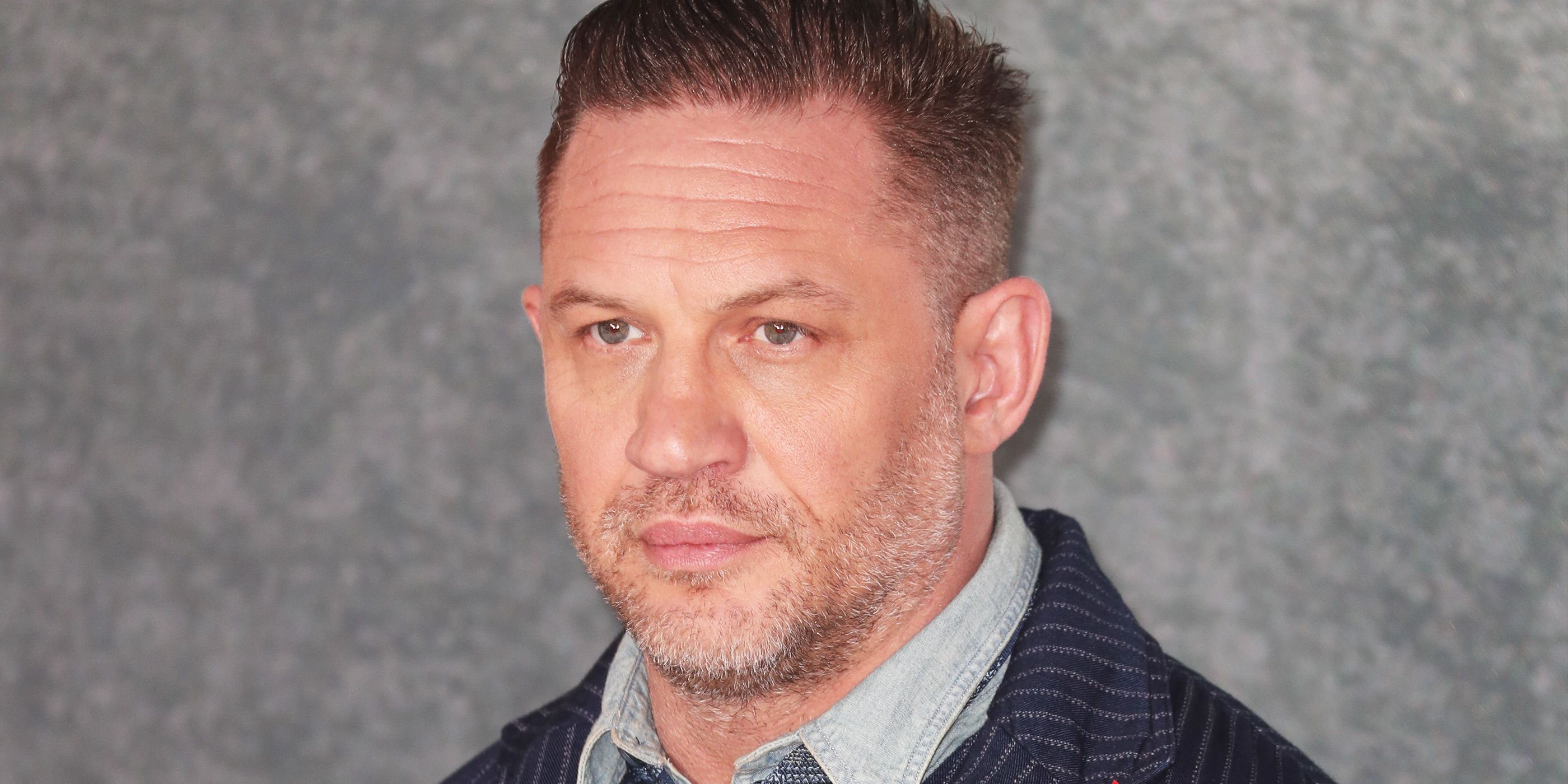
Netflix will remove Tom Hardy's Venom: The Last Dance from its catalog by August 24, 2026. Here's what you need to know.
Hannah Einbinder expresses optimism about queer cinema's future at the premiere of 'Teenage Sex and Death at Camp Miasma,' directed by Jane Schoenbrun.

In simple terms, Hannah Einbinder shared her views on the future of queer cinema at the U.S. premiere of the film Teenage Sex and Death at Camp Miasma, directed by Jane Schoenbrun, which took place on July 29 in Los Angeles. During the event, Einbinder expressed hope that the film's potential success would encourage Hollywood to take greater risks with queer filmmakers and storytellers. This reflects a shift toward embracing diverse voices in the industry.
Einbinder's sentiments were reported by Variety, indicating a growing optimism among creators in the queer film space. "I hope that with the hopeful success of films like this, that [Hollywood] is able to trust queer filmmakers and showrunners more," she stated, highlighting the importance of recognizing the talent and perspectives that queer artists bring to the table.
What’s confirmed is that Camp Miasma, which debuted in limited release on August 7, has already shown strong box office results by earning $251,000 from just five screens. This impressive average of $50,300 per location suggests that there is a significant audience demand for queer narratives presented through a humorous and adventurous lens. Mubi intends to expand its reach by opening the film in 50 additional theaters next weekend, with a nationwide launch set for August 21.
Such a positive response is crucial as it demonstrates a clear market for films that explore queer themes; it signals to studios that there is financial viability in supporting diverse voices. The optimistic box office performance is encouraging not only for Camp Miasma but for the entire genre of queer cinema.
The film represents a tonal shift for Schoenbrun, who previously explored darker themes in her sophomore feature I Saw the TV Glow. In Camp Miasma, she explores the horror-comedy genre, diving into a tale where Kris, played by Einbinder, attempts to reboot a fictional horror franchise while uncovering its campy roots with the original film's star, played by Gillian Anderson. The movie promises a blend of both thrills and laughs, encapsulating the campiness of a genre that has often marginalized queer perspectives.
Schoenbrun discussed the creative journey behind the film, saying, "I was going through a period of time that was really scary, but also really joyful... I think it represents a freer and more joyful part of my life." This notion of mixing lightheartedness with horror can resonate deeply with viewers and opens new avenues for storytelling.
As the conversation around queer representation evolves, Einbinder pointed out that inclusive storytelling is essential for reaching wider audiences. The film’s marketing and subject matter challenge traditional tropes often seen in horror films and may push audiences to engage more openly with queer narratives. Simply said, this can help broaden the perspectives within the film industry, leading to a richer array of stories and experiences.
Jasmin Savoy Brown, who stars as Kris’s partner, emphasized the collaborative and unique approach of Schoenbrun: "Jane is really smart and really intentional, while at the same time very collaborative." This approach encourages diverse filmmaking that invites contributions from outside the typical industry norms, creating more nuanced and relatable stories.
The discussions at the premiere of Teenage Sex and Death at Camp Miasma illustrate a significant moment in queer cinema, with creators like Einbinder and Schoenbrun paving the way for fresh narratives. The positive reception hints at an evolving industry that is slowly recognizing and validating queer voices.
The film’s upcoming releases and robust performance thus far suggest a shift toward more mainstream acceptance of queer stories in entertainment, promoting not just visibility but also the opportunity for financial success for such films. As audiences become more open to diverse narratives, Hollywood may finally begin to trust filmmakers beyond traditional archetypes, facilitating more inclusive storytelling in the future.
For those interested in further discussions on the evolution of queer cinema, check out our article on IndieWire’s Future of Filmmaking Summit and insights from Carla R. on the impact of I Saw The TV Glow.
Entertainment news
EpisodeBreakdown may use automated tools to assist research, drafting, and formatting. Published pages are governed by our editorial and corrections policies, and source links are shown when they are available in the article record.
Discovery source: Variety. The source identifies where the topic was discovered; EpisodeBreakdown is responsible for the commentary published on this page.
Reader response
Reactions and poll results are based on real reader responses. No account is required.