Batman: Knightfall's R-Rated Evolution and Its Significance
Dive into how the R-rating of Batman: Knightfall allows for a deeper exploration of its dark themes and character evolution, alongside the pivotal role of creators.
Explore how Brad Bird's failed adaptation of The Spirit directly influenced his upcoming project, Ray Gunn.
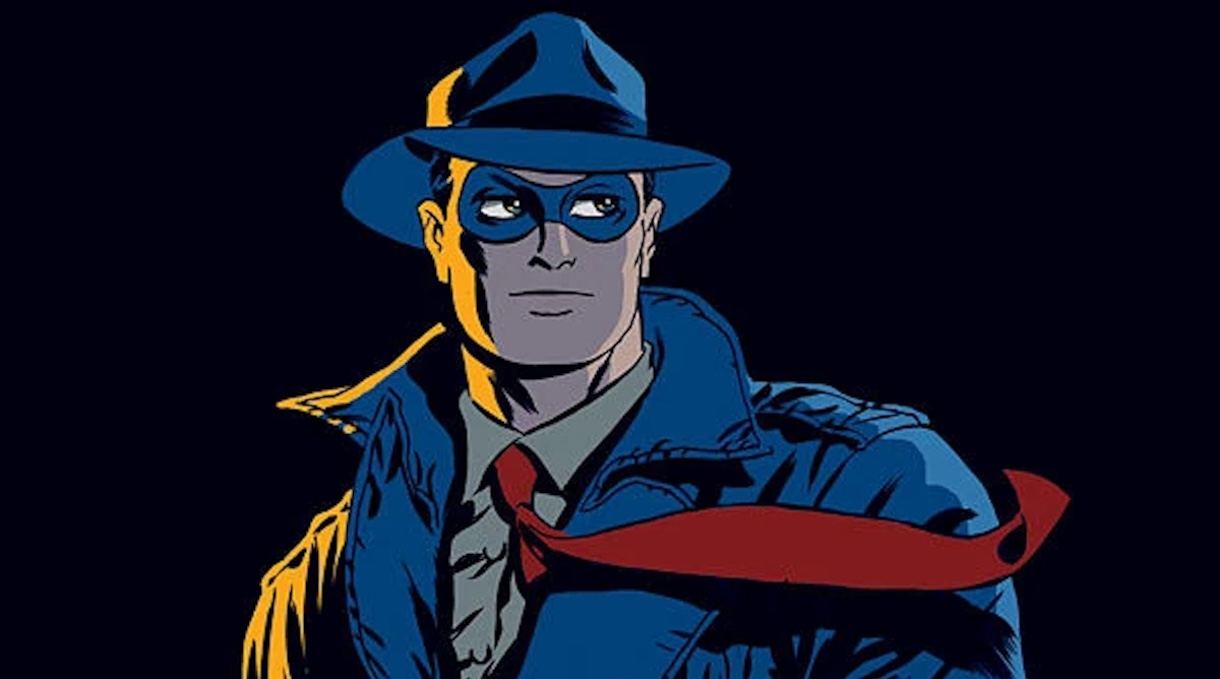
The central question around Brad Bird's upcoming film, Ray Gunn, revolves around its connection to his long-desired adaptation of Will Eisner's The Spirit. In simple terms, Ray Gunn serves as a creative resurrection of ideas that originated with Bird’s earlier, aborted project. This upcoming Netflix release merges retro futurism with noir mystery, creating a unique vision stemming from Bird's attempts to capture the essence of The Spirit.
For years, Bird tried to bring The Spirit to life as an animated feature. Collaborating with fellow animator Jerry Rees and producer Gary Kurtz in the early 1980s, Bird produced a compelling pencil test animation. However, the project ultimately fell apart as financiers doubted the marketability of a darker, more mature animated film compared to the conventional family-friendly content prevalent at the time. This pivotal moment in Bird's career set the stage for his relentless pursuit of compelling storytelling anchored in noir aesthetics.
Confirmed: Bird was heavily inspired by Eisner's work, which featured Denny Colt, a detective without superpowers, who rises from the dead to enforce justice in a supernatural world. However, while Ray Gunn draws heavily from this narrative style, it is not a direct adaptation of Eisner's work. Bird himself admits that the creative roots of Ray Gunn lie in the unsatisfied desire to explore this narrative terrain earlier in his career.
As Bird shifted his focus to Ray Gunn, he infused the project with elements of science fiction, mixing the hard-boiled detective genre with futuristic themes. The lead character, Raymond Gunn, shares characteristics with Denny Colt. Notably, Bird’s characterization reflects an evolution from the original angst and complexity surrounding Colt. This transformation indicates Bird's desire to carve out something uniquely his while still paying homage to the influences that shaped him.
Bird notes that his creative spark for Ray Gunn was sparked unexpectedly through a misinterpretation of the B-52’s song “Planet Claire.” This amusing anecdote illustrates how inspiration can often come from the most curious places. Bird envisioned a detective in a futuristic setting, further layering the noir themes that were initially inspired by his desire to adapt The Spirit.
The themes woven into Ray Gunn reiterate both nostalgia for classic detective stories and the quest for identity in a rapidly changing world. The noir aspect is not merely aesthetic; it functions as a lens through which Bird explores the human condition. Raymond Gunn grapples with his identity, mirroring the struggles faced by Denny Colt. This duality offers audiences a fresh interpretation of familiar tropes, allowing for deeper emotional engagement.
Furthermore, the character dynamics in Ray Gunn, especially between Raymond Gunn and his alien partner Eyera—voiced by Tom Waits—add another layer of complexity, as they investigate a case involving a pop superstar, Venus Nova (voiced by Scarlett Johansson). These relationships are crucial in exploring themes of friendship, loyalty, and the balance between human and alien perspectives in a shared quest for truth.
Bird emphasizes Eisner's influence in crafting cinematic experiences through graphic novels. He argues that Eisner made comics a visual narrative medium comparable to film—a strong sentiment echoing Bird's own aspirations as a filmmaker. Despite the unrealized dreams tied to The Spirit, Bird has managed to create something that feels distinctly his own while still honoring the legacy of Eisner.
While The Spirit has seen adaptations in various forms—including a poorly received live-action film—the longing for a faithful animated interpretation remains. Bird’s commitment to creating Ray Gunn serves as a testament to the enduring legacy of Eisner's work and reflects the director's desire to offer something compelling and authentic for fans.
The ending of Ray Gunn—although not yet available for public viewing—will likely resonate deeply with the overarching themes of reclamation and rebirth. Bird's struggle to adapt The Spirit is mirrored in the journey of Raymond Gunn, who faces his demons while navigating the complexities of his case. The conclusion may reveal how unresolved dreams can lead to new ventures, emphasizing that the creative process is often cyclical, echoing past aspirations to manifest into new forms.
Across the promotional materials and discussions surrounding the film, Bird's reflections on his journey reiterate a key message: the spirit of creativity, much like the titular character, can endure even in absence.
What remains unknown is how audiences will receive this blend of science fiction and noir, as it presents a refreshing take on genres that often rely on formulaic narratives. However, the depth of character development and thematic resonance provides optimism that Ray Gunn may satisfy both Bird's ambition and audience expectations as he attempts to honor his past while looking forward to the future.
Brad Bird's saga with Ray Gunn ultimately illustrates the complexity of creative processes and the ways in which past failures can inform new successes. His ability to pivot from the unmade The Spirit to create something uniquely engaging is a powerful statement on resilience in artistry. As the release date approaches, anticipation builds not only for a long-awaited project but also for how Bird's vision reconciles with the artistic lineage of comic book storytelling. In the broader context of the film industry, Ray Gunn could inspire other creators to explore the depths of their own unrealized dreams, affirming that even the most painful abandonments can lead to something remarkable.
For those interested in comparable films, exploring the themes in The Iron Giant or the stylistic elements of projects like Blade Runner may further illuminate the intersections of Bird’s creative vision.
Movie explanation
EpisodeBreakdown may use automated tools to assist research, drafting, and formatting. Published pages are governed by our editorial and corrections policies, and source links are shown when they are available in the article record.
Discovery source: Den of Geek. The source identifies where the topic was discovered; EpisodeBreakdown is responsible for the commentary published on this page.
Reader response
Reactions and poll results are based on real reader responses. No account is required.