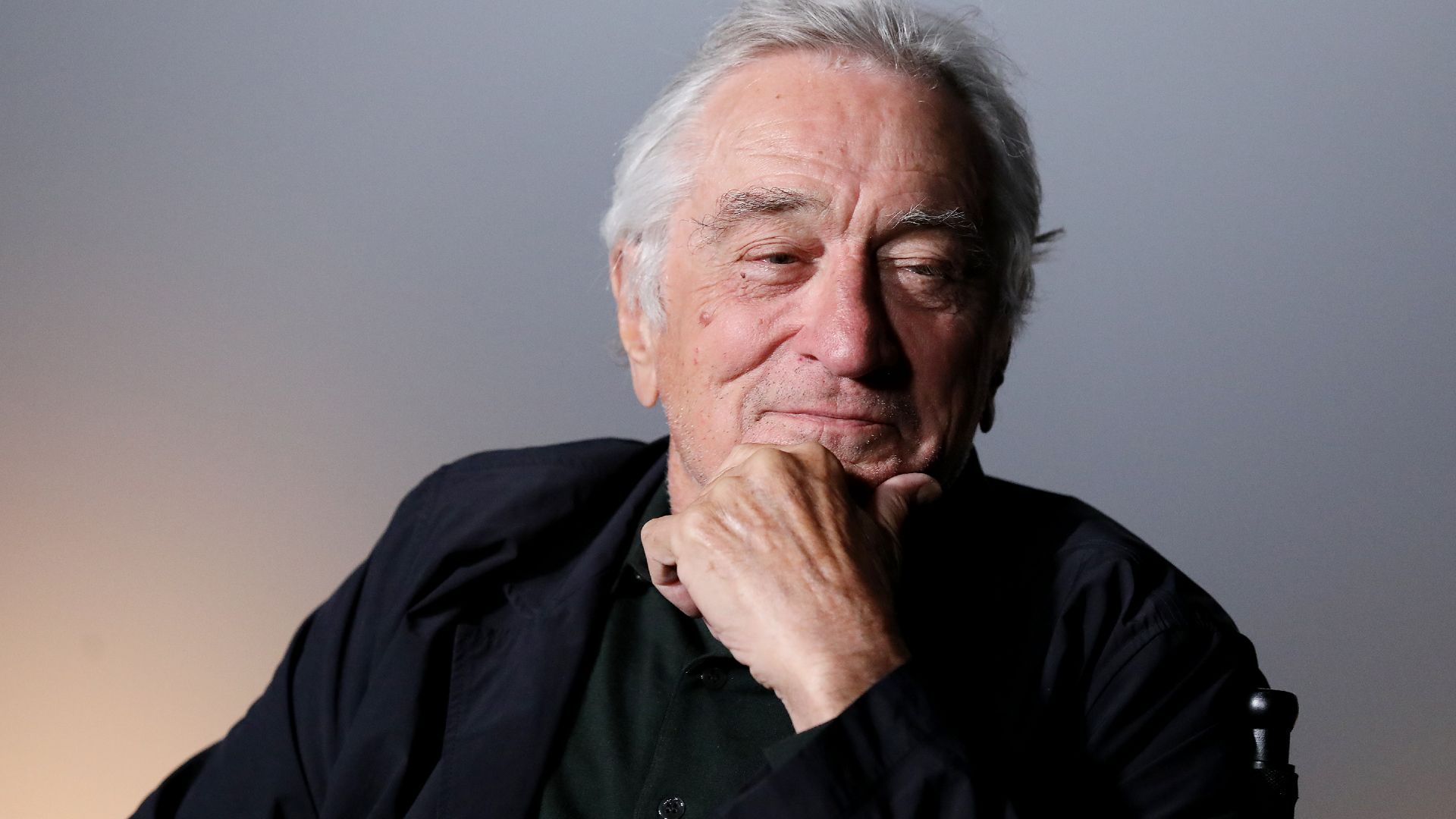
Robert De Niro's Cop Land Returns to Streaming Today
Robert De Niro's gritty crime thriller Cop Land is now back on streaming services, offering viewers a nostalgic revisit of this classic film.
Delve into the twisted narrative and themes of 'Butcher, Baker, Nightmare Maker,' a cult classic that critiques homophobia while unraveling a disturbing family dynamic.
In simple terms, Butcher, Baker, Nightmare Maker, also known as Night Warning, presents a disturbing exploration of family dysfunction and societal prejudice. At its core, the film poses a central question: What happens when a toxic familial bond intertwines with societal homophobia? The answer unfolds through the character of Aunt Cheryl, whose obsessive love for her nephew morphs into a twisted narrative steeped in violence and terror.
Released in 1981, the film directed by William Asher combines elements of exploitation cinema with a sinister story that critiques the era's homophobia. Originally developed under a different director, Asher’s unique touch transforms it into a chaotic yet engaging piece of art. The film showcases a cultural landscape wherein societal norms often scapegoat marginalized individuals, mirroring real-life prejudices of its time.
What is confirmed is that the film’s plot centers around Aunt Cheryl, played by Susan Tyrrell, whose volatile love for her nephew, Billy, leads to tragic and violent circumstances. The narrative kicks off with Cheryl's violent outburst when a man resisting her advances is murdered, setting off a chain of events that implicate the innocent Billy in a broader societal misunderstanding of sexuality.
A definitive theme in Butcher, Baker, Nightmare Maker is the notion of isolation—both familial and societal. The film prominently features the character Billy, who grapples with the pressure of societal expectations regarding his identity. Far from being a simple slasher flick, the film wades into more profound issues of trust and betrayal within familial relationships.
The abuse of Aunt Cheryl takes on a chilling form as it resembles emotional manipulation masked as care. As viewers, we are compelled to witness Cheryl's deeply troubled psyche, confirming that her turbulent persona serves not merely as a horror trope but as a vivid portrayal of a mother's damaging love. The balance of her character encapsulates a unique blend of empathy and horror, keeping viewers engaged while underscoring the film's commentary.
Traditionally, slasher films rely on clear-cut heroes and villains. However, in Butcher, Baker, Nightmare Maker, the dichotomy blurs. The police detective, Carlson, exemplifies the misguided perpetrator of homophobia, jumping to conclusions based on societal stereotypes. His character is further complicated by his irrationality, serving as an embodiment of institutional bias that can lead to tragic consequences.
The film ingeniously flips the narrative by portraying Aunt Cheryl not just as a villain, but as a flawed character driven to extremes by her tumultuous emotions. This transformation reflects on the inherent biases surrounding concepts of “normalcy.” What remains unknown, however, is whether the film fully resonates with contemporary audiences who might interpret these themes differently in modern contexts.
The film culminates in a harrowing finale that reinforces the chaotic marriage of familial love and societal rejection. Billy's breakdown after realizing the truth about Cheryl solidifies the film's critique of societal pressures surrounding identity. It’s clear that Cheryl's horrific actions are directly influenced by her own emotional dysfunction, leaving Billy trapped in a cycle of grief and misunderstanding.
The final scenes serve to showcase a societal commentary as well, where the real danger isn’t Billy’s potential identity but rather the environment that perpetuates such violence against marginalized groups. Critics have noted that the film’s ending—where the actual villainy lies with societal constructs—has carved a niche in horror films addressing queer issues, making it resonate more profoundly today than at its initial release.
In recent years, Butcher, Baker, Nightmare Maker has seen a resurgence, particularly with the growing interest in cult horror films. The queer community has embraced the film, partly for its portrayal of chaotic emotions linked with societal stigma against homosexuality. Its outlandish and excessive plot choices seem to echo the experiences of marginalized groups navigating a world that often misunderstands or maltreats them.
The film, laden with themes of emotional incest and deep familial ties, showcases horror as a medium to confront uncomfortable societal truths. In this way, viewers who appreciate deeper narrative layers will find immense value in revisiting or discovering this cult classic. It can be positioned alongside contemporary works dissecting similar themes, such as Camp Miasma.
The queer fandom for horror films provides a unique lens through which to evaluate Butcher, Baker, Nightmare Maker. While often dealing with stabbings and supernatural horrors, the community has consistently sought to reclaim narratives within horror that explore otherness and societal invisibility. In this context, the film’s exploration of homophobia feels significant, albeit through a lens of emotional horror that makes it both compelling and horrifying.
What remains certain is that the film encapsulates a time in cinema where pressing social issues found their way into popular narratives, albeit through exaggerated and sometimes grotesque portrayals.
Butcher, Baker, Nightmare Maker operates as a fascinating artifact of horror history, revealing not just the anxieties of its time but also the evolutions of societal attitudes towards issues of identity and familial bonds. Its re-examination in contemporary discourse reminds us of horror's potential to reflect, challenge, and ultimately transform societal narratives.
As the landscape of horror continues to evolve, revisiting films that tackle uncomfortable topics can be an enriching experience for both new and seasoned viewers. Through vigilant recontextualization, this film serves as a unique commentary on the intricate dynamics of family relationships and societal norms. It may not be universally palatable, but its chaotic energy and subtext warrant reflection by anyone interested in the deeper meanings behind cult slasher films.
Watch Butcher, Baker, Nightmare Maker streaming on Tubi.
Movie explanation
EpisodeBreakdown may use automated tools to assist research, drafting, and formatting. Published pages are governed by our editorial and corrections policies, and source links are shown when they are available in the article record.
Discovery source: IndieWire. The source identifies where the topic was discovered; EpisodeBreakdown is responsible for the commentary published on this page.
Reader response
Reactions and poll results are based on real reader responses. No account is required.