The Debt Collector: A Gripping Action Drama Examining Atonement
Explore how The Debt Collector examines deeper themes of guilt and redemption through its central character Num, diverging from conventional action tropes.
Unpacking the layers of 'From Dusk Till Dawn', Tarantino's bold blend of genres and themes that captivated audiences and defied conventional storytelling.
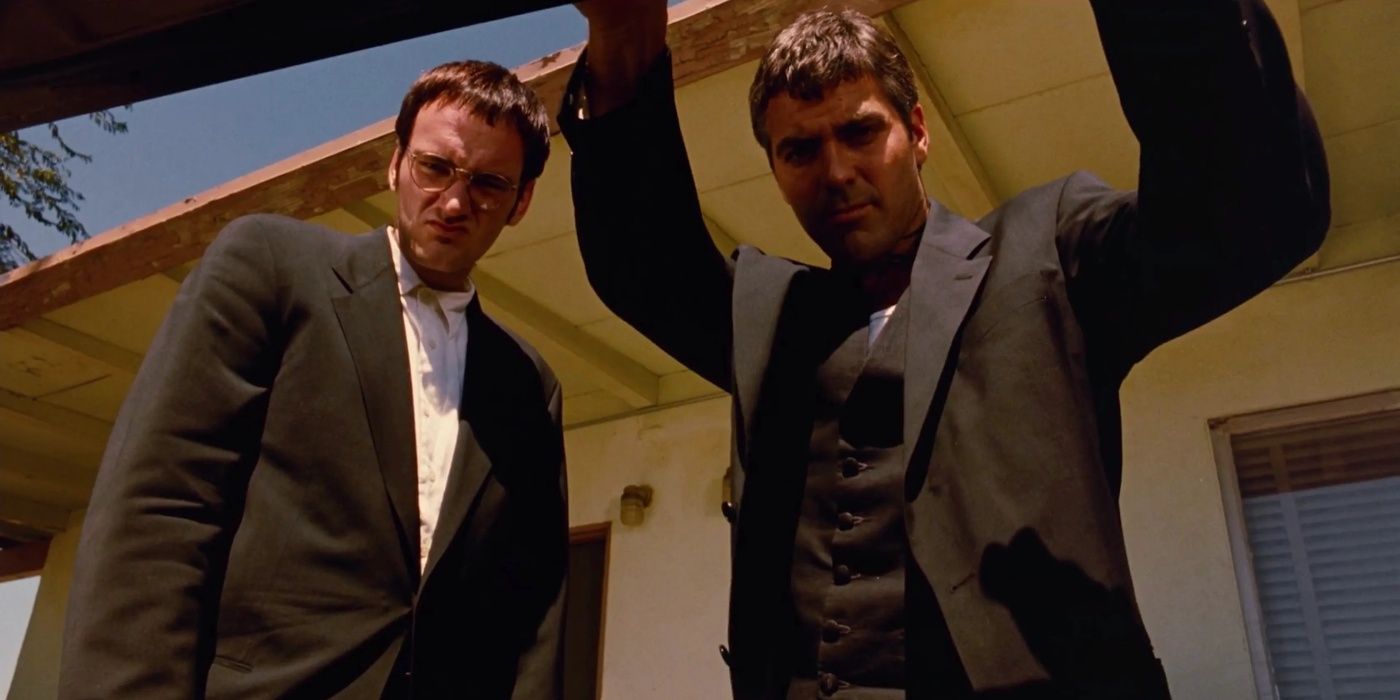
In simple terms, From Dusk Till Dawn poses a central question: What happens when two criminal brothers find refuge in a mysterious bar that caters to an unimaginable horror? The answer unfolds through a masterful blend of genres—crime, horror, and action—that leaves viewers both thrilled and unsettled. This 1996 film, now streaming on Paramount+, is not just a cult classic; it’s a testament to Quentin Tarantino's audacity as a filmmaker.
The film captures the journey of Seth and Richie Gecko, portrayed by George Clooney and Quentin Tarantino, who are two brothers on the run after a heist gone awry. What starts as a tense crime drama swiftly transitions into a horrifying tale when the duo stops at the Titty Twister, a bar in Mexico, only to discover it is infested with vampires. This sudden genre shift shocks viewers and challenges their expectations, making the film a remarkable case study in subverting narrative norms.
The first significant turning point in the story occurs when the Gecko brothers enter the Titty Twister. Up to this moment, the film is rooted in a gritty crime thriller ambiance, filled with tense interactions and desperate decisions. However, upon crossing the threshold of the bar, a surreal and terrifying transformation occurs. This pivotal scene not only introduces the element of horror but also reinforces the brutal reality that violence in the world of From Dusk Till Dawn can be both expected and unforeseen.
The unexpected introduction of supernatural elements serves as a commentary on the unpredictable nature of violence—how it can erupt in various, often surprising forms. Tarantino’s ability to construct such a narrative juxtaposition is a hallmark of his filmmaking style, and it from here opens a broader discussion on genre blending in cinema.
Character development is pivotal, especially in how Seth and Richie navigate their violent world. Seth emerges as a more pragmatic character, fully aware of the stark reality of their situation. Conversely, Richie displays psychological traits that become increasingly erratic as the film progresses. Their complex relationship serves as a core theme: the struggle for power and control amid chaos.
Richie’s role becomes especially vital as the film approaches its horrific crux. His psychological instability not only intensifies the tension but also acts as a narrative device that foreshadows their impending doom. This intrinsic connection between the characters and the film’s thematic elements emphasizes how personal choices dictate the course of events—another significant layer to the viewing experience.
As the bar-goers reveal their true monstrous forms, the horror elements fully take shape. The vampires serve as symbolic manifestations of hidden desires and uncontrollable temperaments, mirroring the psychological unraveling of the Gecko brothers. This dangerous blend of sex and violence underscores the film's commentary on human nature; it reflects deeper societal fears through its grasping imagery and horror tropes.
What is compelling is the juxtaposition of the horror genre's traditional characteristics against a backdrop of crime and drama. Tarantino subverts viewer expectations, skillfully intertwining the ordinary with the extraordinary, making the audience question where one genre ends and the other begins.
As we reach the film's climax, the stakes rise dramatically. The deadly confrontation between the brothers and the vampires intensifies, leading to a bloody showdown that encapsulates the narrative’s blend of tension and terror. The conclusion is one steeped in chaos and sacrifice, leaving audiences grappling with the aftermath of the Gecko brothers' choices and their lingering consequences.
The film concludes with a sense of melancholy; it’s not merely about surviving the night but also confronting the inherent brutality that lurks within humanity. The resolution underscores that while the brothers may have escaped from their immediate danger, they remain imprisoned by their past and their choices. Through this, Tarantino emphasizes the notion that violence is cyclical, and death is often the only escape.
As the film's ending echoes its beginning in theme and tone, it frames an overarching discussion regarding choices, consequences, and humanity's darker instincts—making From Dusk Till Dawn a timeless exploration of genre.
Upon its release, From Dusk Till Dawn faced significant backlash, including being banned in certain countries due to its graphic violence. This controversy, largely around the film's unapologetic portrayal of horror and brutality, only solidified its cult status in the years that followed. As noted, Ireland's ban was led by Sheamus Smith, who argued against the alarming level of violence depicted. The ban ultimately drew more attention to the film, ironically serving as a marketing tool that increased its underground popularity.
The film has since established a legacy that extends beyond its initial controversy, influencing a myriad of titles within both the horror and crime genres. As evidenced by its recent addition to Paramount+, the film continues to resonate with viewers today, reinforcing the notion that cinematic boundaries are meant to be pushed.
This legacy is epitomized not only by the film itself but also by its surrounding media, including sequels and a television adaptation that sought to build on its foundational elements, showcasing its lasting cultural significance.
With From Dusk Till Dawn now streaming on Paramount+, both old fans and new viewers have the opportunity to explore its complex narrative and thematic richness. As audiences engage with this genre-bending masterpiece, discussions about its stylistic choices and societal implications are likely to reignite, providing fresh perspectives on its ongoing relevance. As the film establishes a definitive entry point for discussions of genre, violence, and narrative expectations, it paves the way for future cinematic explorations that challenge the status quo.
For those intrigued by the film’s themes, exploring similar genre-bending films might offer further insight. Consider checking out films such as Natural Born Killers or Kill Bill, which similarly blend genres and challenge narrative norms. It’s clear that Tarantino’s influence in From Dusk Till Dawn continues to inspire filmmakers to break boundaries and redefine storytelling in captivating ways.
Movie explanation
EpisodeBreakdown may use automated tools to assist research, drafting, and formatting. Published pages are governed by our editorial and corrections policies, and source links are shown when they are available in the article record.
Discovery source: CBR Movies. The source identifies where the topic was discovered; EpisodeBreakdown is responsible for the commentary published on this page.
Reader response
Reactions and poll results are based on real reader responses. No account is required.