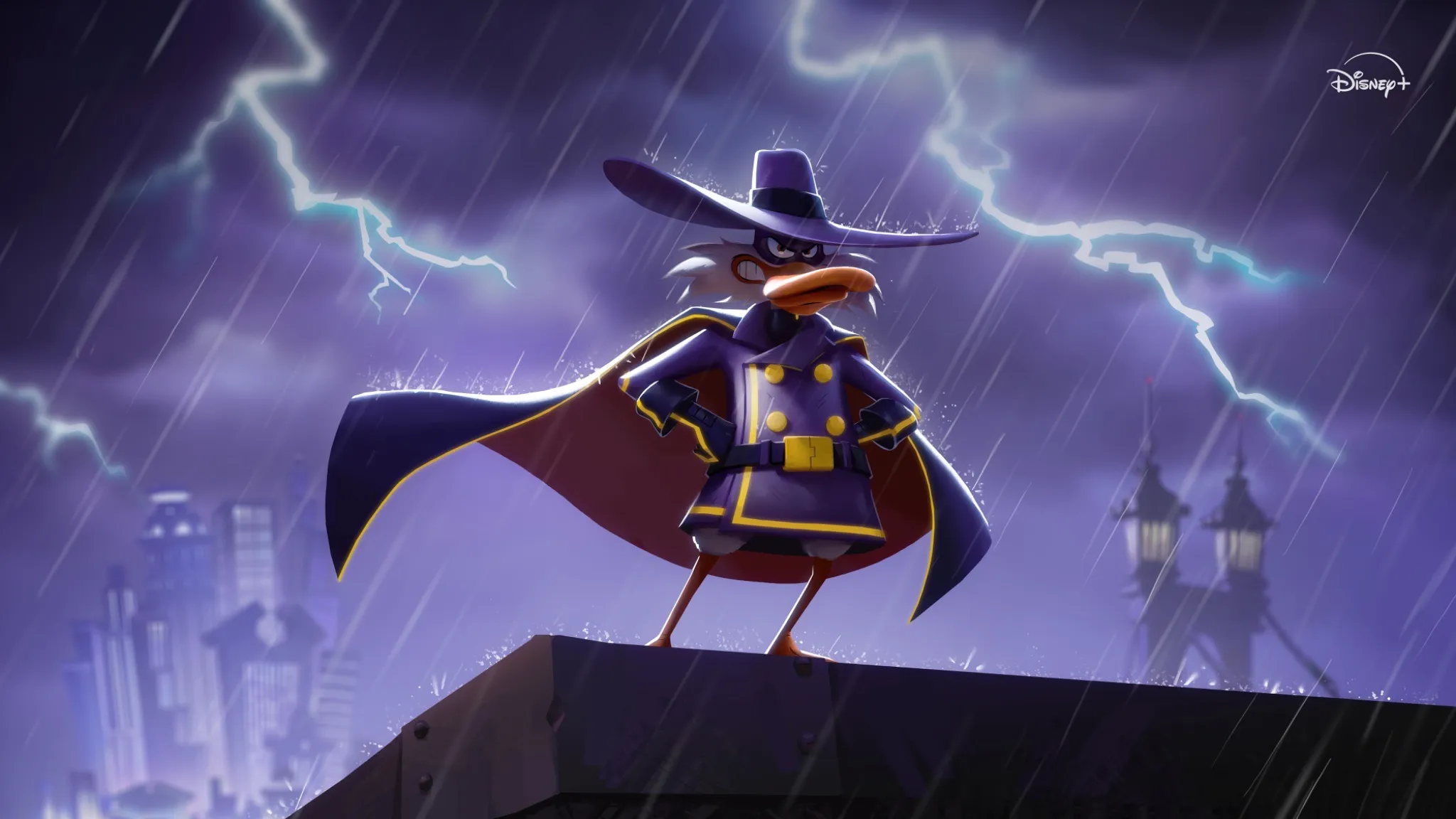
‘Darkwing Duck’ Reboot Ordered to Series at Disney+
Disney+ has officially ordered a reboot of ‘Darkwing Duck’ to series, featuring a star-studded voice cast, including Mark Hamill and Seth Rogen.
CBS executives were baffled by the positive response to "Gilligan's Island" test audiences, leading to significant doubts from network president Jim Aubrey.
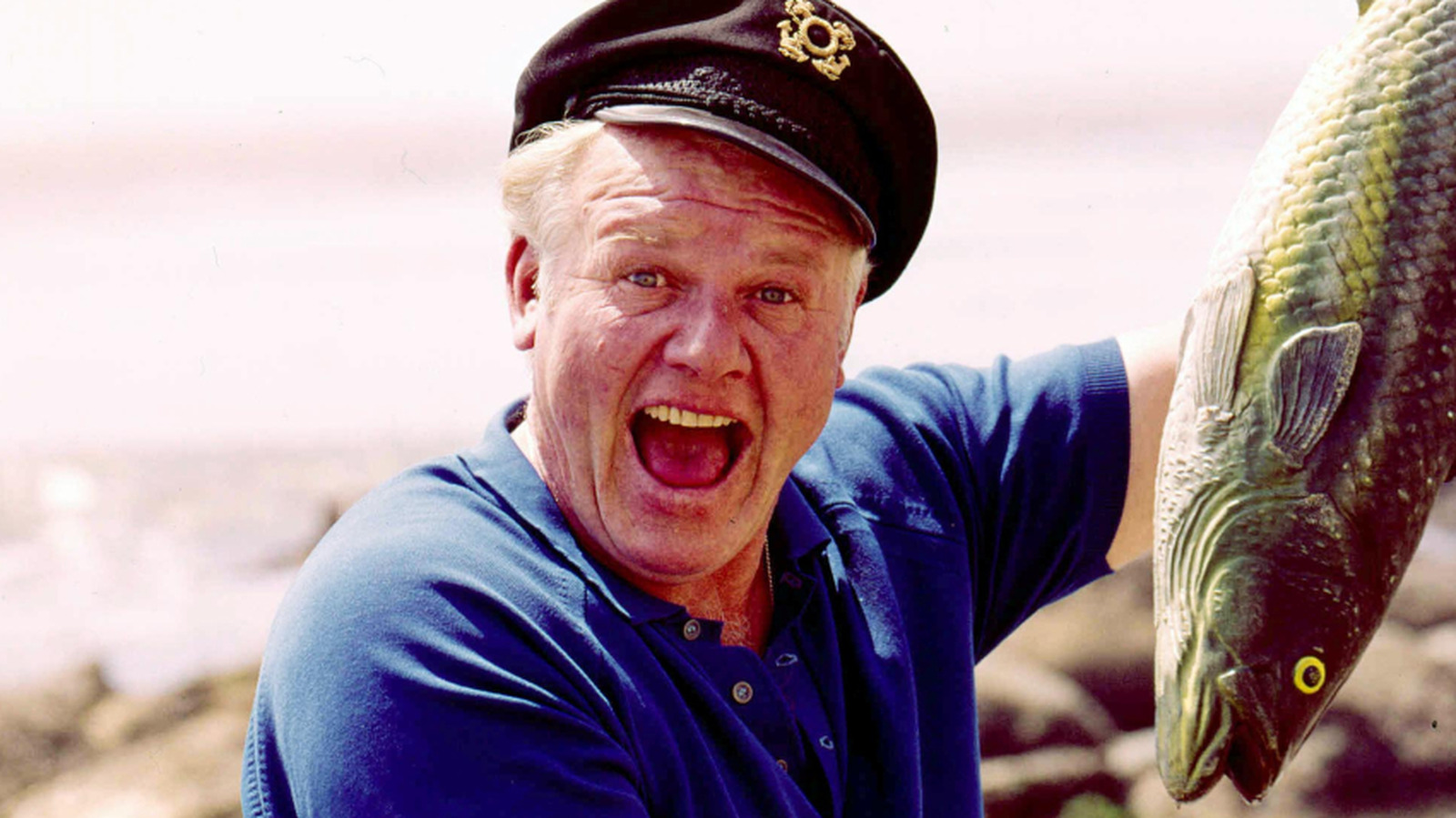
Recent revelations from TVLine shed light on the skepticism CBS executives had towards the test audiences' positive responses to the pioneering sitcom, "Gilligan's Island." Despite favorable focus test results, CBS was adamant that something was amiss, reflecting a deep-seated mistrust in the show's concept. The situation was perplexing, especially for Jim Aubrey, who was the president of CBS at the time and had a notable disdain for the entire idea.
According to TVLine, Aubrey's aversion to "Gilligan's Island" was significant. Even as positive audience reactions continued to roll in, he remained unconvinced about the show’s potential success. This was not just a matter of personal taste; it highlighted a broader disconnect between network executives and audiences. Aubrey's skepticism was particularly marked given that the network’s decision-makers didn’t provide any constructive feedback when expressing their initial rejection of the pilot. Russell Johnson, who played The Professor on the show, recalls in his book that they simply could not understand what resonated with viewers.
Despite CBS's early opposition, creator Sherwood Schwartz was determined to win them over. After receiving the initial rejection, Schwartz made critical revisions, such as creating the now-iconic theme song and recasting certain roles. This led to subsequent test screenings where audiences expressed their enthusiasm for the revamped pilot, further frustrating CBS executives who were already apprehensive about the show’s concept.
Intriguingly, as positive audience feedback continued, executives tried to scrutinize the responses, suspecting there was something "fishy" going on. They subjected the pilot to multiple rounds of focus groups in an effort to validate their skepticism. However, despite their best attempts, the results remained consistent: audiences loved the pilot.
Amidst Aubrey’s reluctance, CBS proposed several changes that could have altered the essence of the show. One of the more radical ideas included scrapping the entire castaway premise and instead situating the characters on a cruise ship with new guests each week—akin to a model that would later be seen in "The Love Boat." This change may have been inspired by future successes, but it fundamentally would have changed what audiences came to love about "Gilligan's Island."
Perhaps the most outlandish suggestion was that Gilligan should develop a friendship with a talking dinosaur residing on the island. This idea, while entertaining, starkly deviated from the initial premise of the show and highlights how far some executives were willing to go in their attempts to reshape the series.
Ultimately, CBS's resistance didn’t stop the series from getting the green light. Despite skepticism, "Gilligan's Island" aired from September 26, 1964, to April 17, 1967, running for three seasons and producing three TV films thereafter. The series has since become a beloved classic, showcasing the unpredictable dynamics between network executives and audience preferences.
What makes this insight particularly significant is that it illustrates the often tumultuous journey a show can face before achieving success. "Gilligan's Island" stands as a case study of how audience preferences can override executive skepticism in the entertainment industry.
The story of "Gilligan's Island" is a striking example of how creative visions can clash with corporate doubts. The positive test audience responses ultimately proved CBS wrong, affirming the importance of listening to viewers. As the television landscape continues to evolve, the lessons from this classic series remind current industry leaders of the importance of adapting to audience reception, rather than imposing their own biases.
Entertainment news
EpisodeBreakdown may use automated tools to assist research, drafting, and formatting. Published pages are governed by our editorial and corrections policies, and source links are shown when they are available in the article record.
Discovery source: TVLine. The source identifies where the topic was discovered; EpisodeBreakdown is responsible for the commentary published on this page.
Reader response
Reactions and poll results are based on real reader responses. No account is required.