Spider-Man: Brand New Day's Box Office Marvel
Analyzing the success of Spider-Man: Brand New Day's incredible box office performance and deeper themes.
An analysis of Christopher Nolan's The Odyssey, focusing on its themes and character journeys.
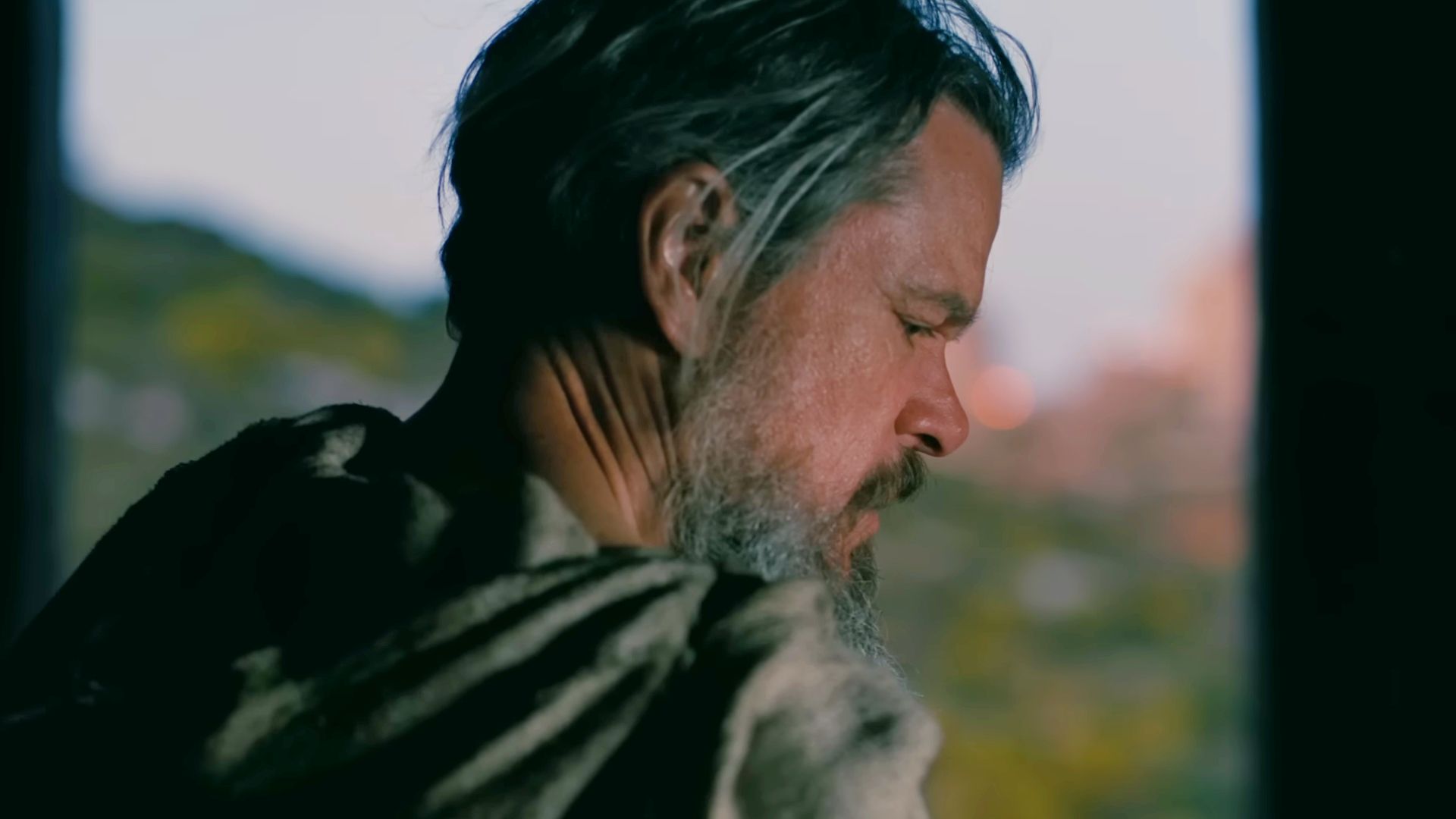
In simple terms, Christopher Nolan's The Odyssey, which stars Matt Damon as Odysseus, sets a new benchmark for epic storytelling in cinema, becoming Nolan's top-grossing film at over $1.1 billion worldwide. The film notably integrates classical literary themes with high-budget cinematic techniques, resulting in both critical and commercial acclaim. What happened is that audiences are drawn not only to its star-studded cast but also its profound, timeless narratives that resonate with modern viewers.
The core question that The Odyssey explores is: What does it mean to find one’s way home? This theme is intricately woven throughout the film, paralleling Odysseus’s arduous trek after the Trojan War with contemporary concepts of identity and belonging. Such a narrative not only underscores personal struggle but also comments on broader societal challenges in an ever-globalized world where many are displaced.
Confirmed elements of the plot involve strategic choices that dictate Odysseus’s path—each decision, whether to confront adversity or avoid temptation, reinforces his complexity as a character. By showcasing his vulnerabilities, Nolan invites viewers to reflect on their own life choices amidst chaos and uncertainty. This layering enriches the story and provides depth that contributes to its box office success.
Odysseus, portrayed by Matt Damon, exemplifies the archetype of a flawed hero. His character is marked by intelligence and bravery yet interspersed with moments of despair and doubt. Throughout his journey, Damon captures the essence of Odysseus's struggles through both physical confrontations and emotional clashes, making him relatable to a modern audience. This complexity reinforces the idea that heroism is often found in the grappling with one's failures and ultimately learning from them.
While the journey takes Odysseus through mystical landscapes and encounters with mythical creatures, the real battle resides within him. This psychological exploration is a hallmark of Nolan's storytelling approach, reminiscent of previous films like Inception and Interstellar, which also delve into the human psyche amidst fantastical circumstances.
Nolan’s choice to shoot The Odyssey entirely with IMAX film cameras is confirmed as a groundbreaking move, setting it apart from his previous works and standard film practices. This technical decision enhances the visual grandeur of the film, immersing viewers in the expansive landscapes of ancient Greece. Notably, it paved the way for the film to dominate the IMAX box office, becoming the highest-grossing IMAX release of all time. This choice amplifies the emotional stakes of the narrative, making the audience feel the weight of Odysseus’s journey—both physically and metaphorically.
Moreover, Nolan’s collaboration with acclaimed composer Hans Zimmer further elevates the cinematic experience. The score not only underscores the weight of the narrative but also helps to transport audiences through time, evoking the emotional spectrum detailed within Homer’s original text. Here, audio architecture supports story arcs in a way that enhances rather than distracts.
The film's successful opening, grossing over $461 million domestically, suggests a strong audience resonance, confirming the notion that The Odyssey's story speaks to contemporary themes of conflict and accessibility. As mentioned by Universal’s president of domestic theatrical distribution, Jim Orr, Nolan's consistent track record of delivering 'must-see theatrical events' comes to fruition in this project. Such acclaim reflects not just a financial milestone but also a cultural moment, with audiences willing to engage with a classical narrative reimagined for today's times.
This cultural relevance prompts comparisons with other cinematic feats. For example, movies like Oppenheimer and Spider-Man: Brand New Day similarly aim to capture viewers by relating to broader, sometimes more troubling themes of morality and responsibility. However, The Odyssey stands distinct in its embrace of the classical hero’s journey, encapsulated through a modern lens.
The conclusion of The Odyssey stays true to its literary roots, demonstrating the lengths one goes to reclaim peace and stability in a chaotic world. As Odysseus finally reaches his home, the film closes on a note of reconciliation and understanding—the culmination of a character arc characterized by trials and transformation. This ending aligns seamlessly with earlier developments, affirming the necessity of hardship in preparing for eventual joy. Nolan’s exploration of hope amid despair ensures audiences leave the theater pondering their journeys and the intricate web of choices they spin along the way.
What follows as this film continues to establish itself in the cinematic landscape remains to be seen, but its immediate impact is already felt within the industry. In the context of its successful predecessors, The Odyssey sets a high bar for future adaptations of classical literature in film.
The success of The Odyssey extends beyond mere box office stats. It signals audiences' desire for films that fuse classical storytelling with modern cinematic technology and complex character portrayals. As Christopher Nolan continues to define his legacy in filmmaking, this film marks a pivotal moment, not only for his career but for the landscape of contemporary cinema. The blending of ancient narratives with present-day storytelling techniques invites future filmmakers to explore similar adaptations, reinforcing that timeless stories can still thrive in modernity.
Further insights can be gained through explorations of other narratives like Sicario, where moral complexities are examined, or in familiar tales like Toy Story 5, which also deals with identity and belonging within a drastically shifting world. Both continue to underline the relevance of these episodic journeys, allowing viewers deeper connections to their narratives.
Movie explanation
EpisodeBreakdown may use automated tools to assist research, drafting, and formatting. Published pages are governed by our editorial and corrections policies, and source links are shown when they are available in the article record.
Discovery source: The Hollywood Reporter. The source identifies where the topic was discovered; EpisodeBreakdown is responsible for the commentary published on this page.
Reader response
Reactions and poll results are based on real reader responses. No account is required.