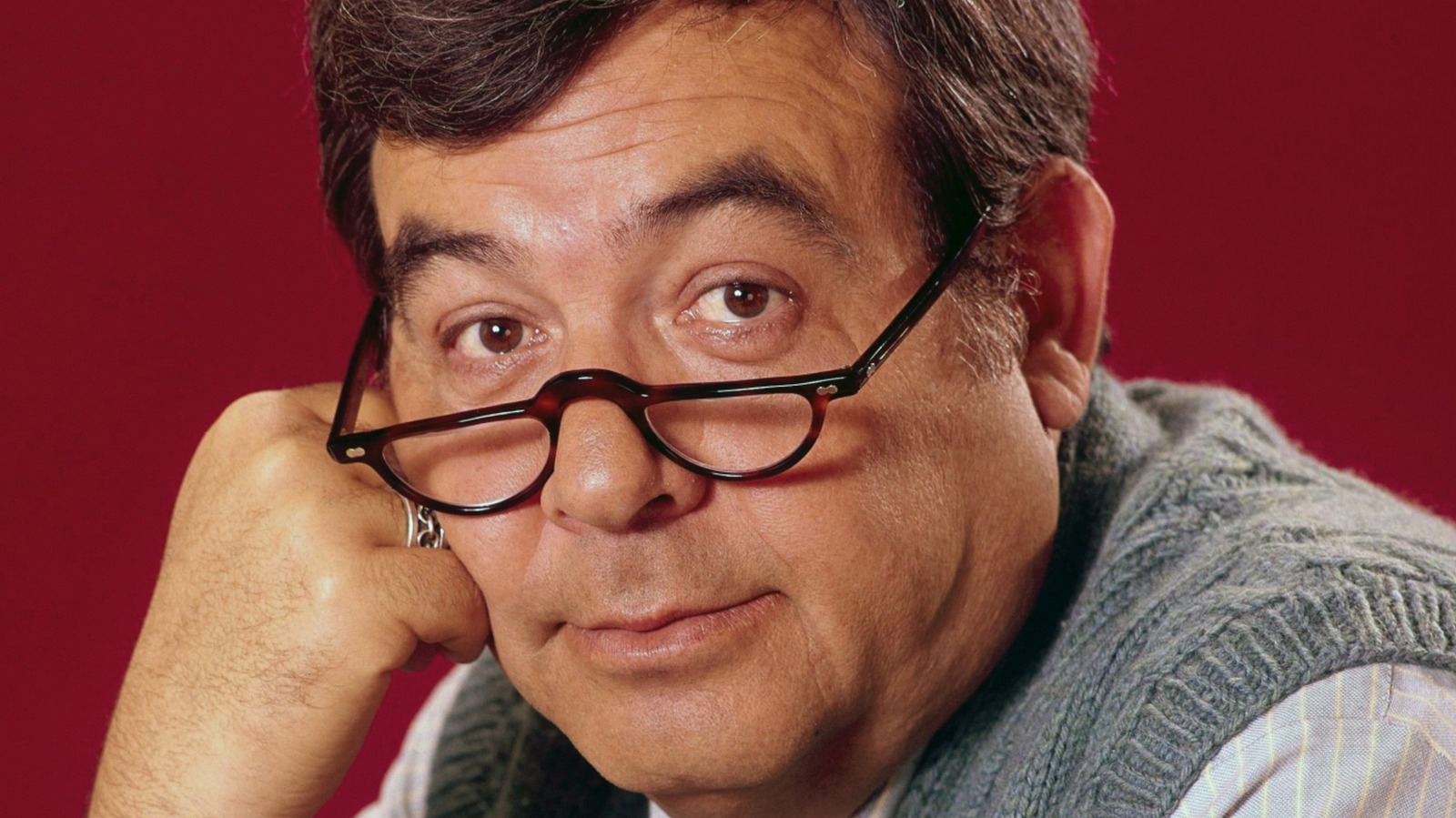
Brendan Fraser's Iconic Role in Scrubs: A Lasting Impact
Brendan Fraser's memorable guest appearances in Scrubs significantly shaped the show, showcasing his talent and creating three outstanding episodes.
David Gyasi, known for his role in 'The Diplomat,' previously starred as Achilles in the BBC and Netflix series, 'Troy: Fall of a City,' which faced significant backlash.
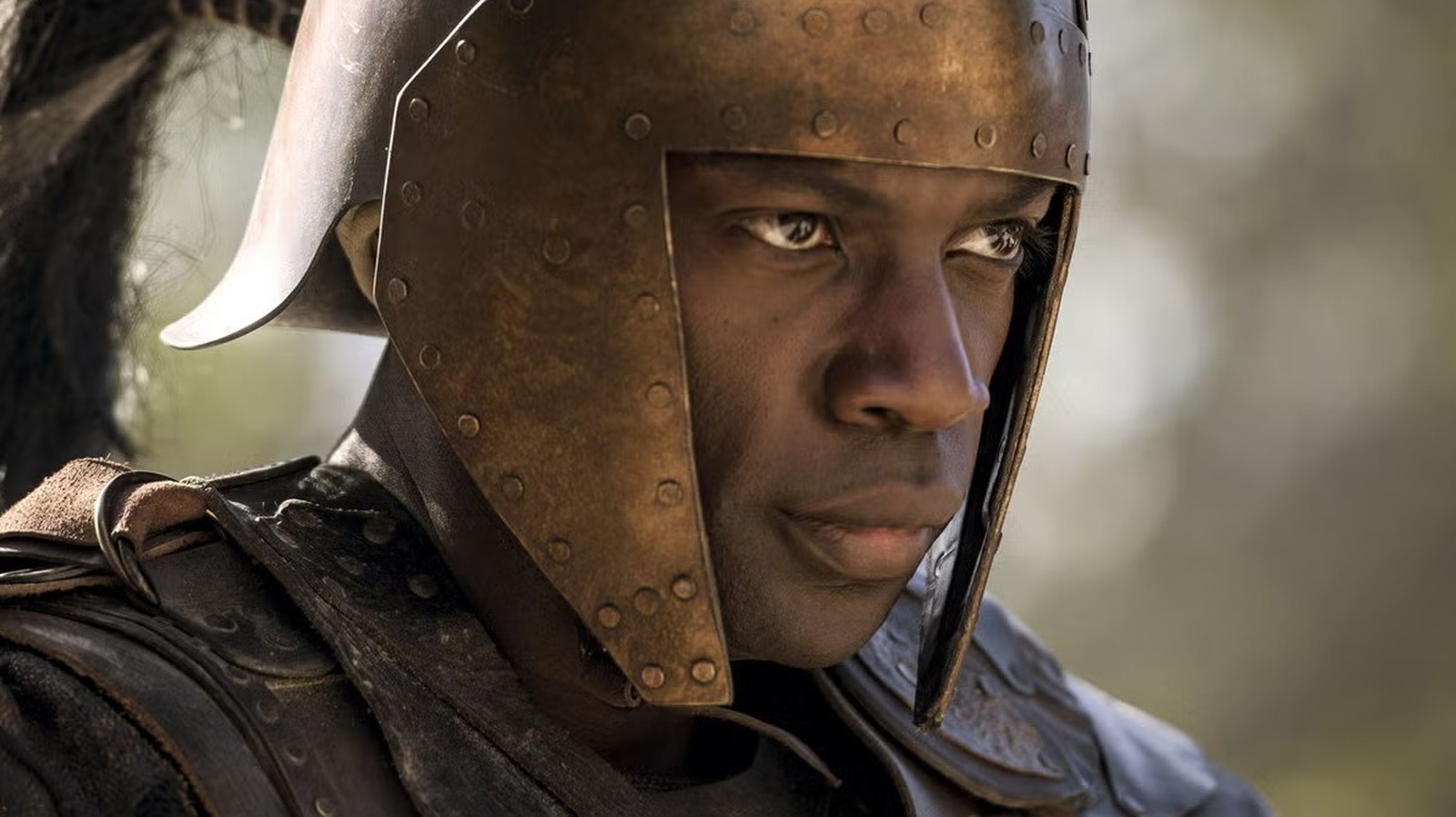
Before his current role as Foreign Secretary Austin Dennison in the Netflix series 'The Diplomat,' actor David Gyasi portrayed the iconic Greek hero Achilles in the controversial series 'Troy: Fall of a City.' This series, which aired in 2018, was a collaboration between Netflix and the BBC and tells the story of the Trojan War. Reporting from TVLine confirms that Gyasi's involvement in this project became a focal point of criticism, particularly regarding the casting choices for key roles, including those of Achilles and Zeus.
Upon its release, 'Troy: Fall of a City' faced backlash over its decision to cast non-Greek actors, including Gyasi as Achilles and Hakeem Kae-Kazim as Zeus. Critics accused the production of 'blackwashing' Greek mythology, leading to a polarized response from audiences. While some condemned the casting choices, defenders argued that ancient Greece was diverse, and the inclusion of actors from various backgrounds was not an erasure of cultural identity. This controversy echoed similar discussions surrounding recent adaptations, including a 2026 adaptation of 'The Odyssey,' which also faced scrutiny over its diverse casting.
Despite the initial uproar, 'Troy: Fall of a City' premiered to over three million viewers on the BBC. However, audience numbers dwindled over time, suggesting mixed sentiments about the series. Critics offered varying reviews, with Gyasi receiving notable praise for his performance. For instance, IndieWire's Steve Greene highlighted Gyasi's portrayal, calling him 'effortless as legendary warrior Achilles' and commenting on the depth he brought to the character's emotional struggles.
Gyasi addressed the backlash directly, asserting that historical figures such as Achilles are defined by their narratives and characteristics rather than their physical appearance. In an interview, he stated, 'At no point did I think, 'How am I going to play his blonde hair because that's really important to this story?'' This perspective emphasizes a more nuanced understanding of representation in storytelling, especially within mythological contexts.
In defending the decision to cast diverse actors, series creator David Farr and Netflix’s Chief Content Officer Ted Sarandos echoed Gyasi's sentiments, arguing against the idea that limiting casting choices based solely on race serves the story effectively. This broader discussion about casting in historical adaptations continues to resonate strongly within the industry, as seen in Gyasi's comparison to real-life figures like Barack Obama and Nelson Mandela, whose legacies are intertwined with their identities.
Though the series may not have achieved lasting impact, it did garner critical acclaim in certain areas, including a BAFTA television craft award for visual effects. This accolade demonstrates the production's technical quality, even amidst the ongoing conversation about its storytelling choices and representation.
The casting choices in 'Troy: Fall of a City,' particularly involving David Gyasi as Achilles, have stirred ongoing discussions about representation in historical adaptations. As the entertainment industry grapples with these critical conversations, the performance of actors like Gyasi highlights the complexity and emotional depth that diverse casting can bring to storytelling. As viewers navigate this evolving landscape, the backlash faced by such series may serve as a catalyst for more inclusive and nuanced representations in future productions.
Entertainment news
EpisodeBreakdown may use automated tools to assist research, drafting, and formatting. Published pages are governed by our editorial and corrections policies, and source links are shown when they are available in the article record.
Discovery source: TVLine. The source identifies where the topic was discovered; EpisodeBreakdown is responsible for the commentary published on this page.
Reader response
Reactions and poll results are based on real reader responses. No account is required.