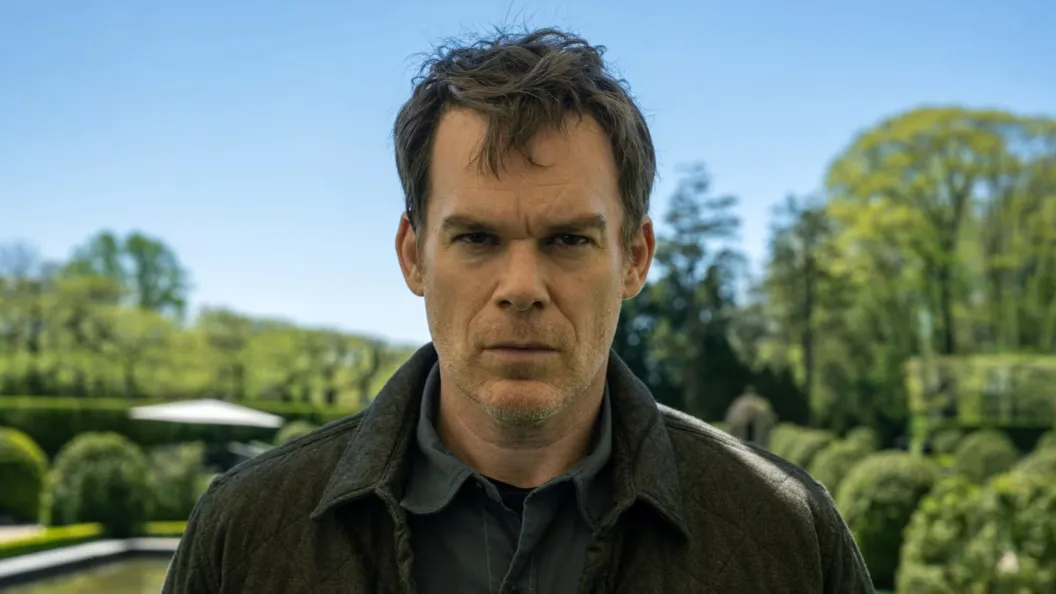
Station Eleven Remains Underrated Despite 98% Rating and Emmy Snubs
Station Eleven, despite its critical acclaim with a 98% rating, struggled to gain viewership and recognition, raising questions about its impact.
Disney's The Disney Afternoon revolutionized after-school television in the '90s, leaving a lasting impact on childhood entertainment.
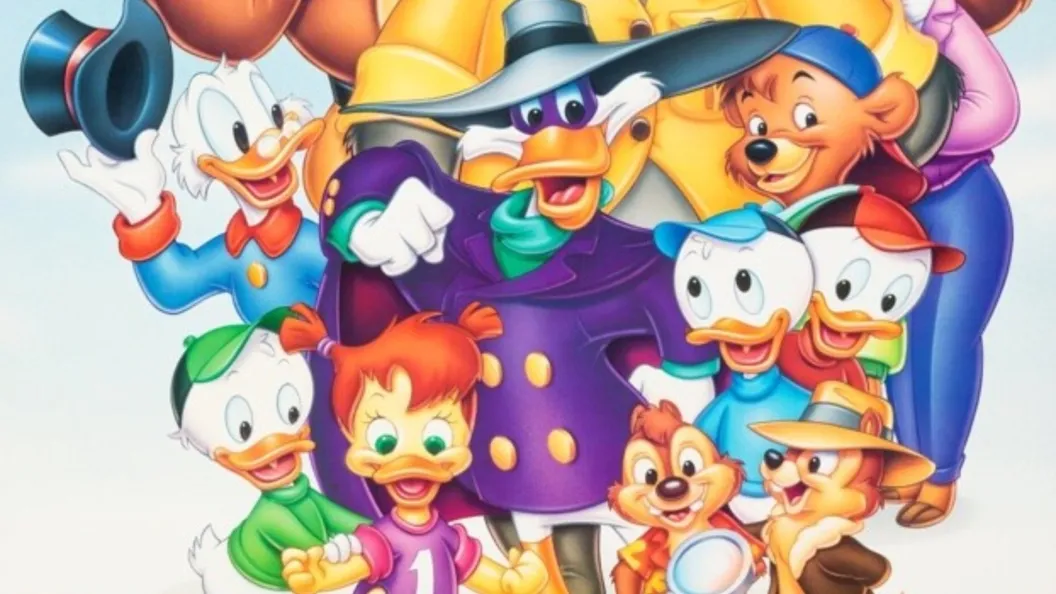
Disney's The Disney Afternoon was not merely a collection of cartoons; it was a two-hour programming block that transformed after-school television starting on September 10, 1990. Featuring iconic shows like DuckTales, Chip 'n Dale Rescue Rangers, TaleSpin, and The Adventures of the Gummi Bears, this block quickly became a beloved daily ritual for children. The programming resonated deeply with young viewers, creating powerful memories and serving as a significant cultural phenomenon.
Disney realized the potential of weekday afternoon syndication with the success of DuckTales, which debuted in 1987 and set the stage for further animated adventures. The introduction of The Disney Afternoon was a strategic move, capitalizing on both the success of prior shows and the anticipation of viewers coming home from school each day, ready for adventure. Backed by a hefty investment of $30 million, approximately $400,000 per episode, Disney aimed to engage children through innovative storytelling and humor designed to cater to diverse audiences.
The original lineup was just the beginning. Introduced in subsequent years were titles like Darkwing Duck, Goof Troop, Bonkers, Aladdin, and Gargoyles. Each new addition brought fresh characters, allowing children to explore varied genres—from superhero antics to family-friendly comedies and darker narratives. This diverse storytelling ensured that there was always something new and exciting for viewers, further solidifying Disney's commitment to quality and innovation.
The legacy of The Disney Afternoon extends far beyond its airtime. For many children, it served as an escape from the stresses of school and daily life, fostering a sense of anticipation and community among viewers. The characters were not just animated figures; they became cultural icons featured on toys, clothing, and even in theme parks. Disney effectively constructed a vast cultural universe around these characters, making each show feel interconnected.
Even years after its conclusion in 1997, The Disney Afternoon continues to resonate with audiences. Its model of appointment television—where viewers had to be present for their favorite shows at specific times—created a unique and shared experience. Today, as the entertainment landscape evolves with on-demand viewing, the nostalgia associated with The Disney Afternoon offers insights into the value of structured programming for children.
For modern viewers, retro games based on these beloved '90s cartoons provide a way to reconnect with cherished childhood experiences. Various reboots and revivals of Disney characters signal an ongoing relevance in today's entertainment landscape, underscoring the timeless appeal of the stories and characters from The Disney Afternoon.
What this means is that The Disney Afternoon not only defined an era of children's television but also serves as a reminder of the power of narrative to shape memories and identities during formative years. Understanding its significance can inform future programming strategies aimed at recapturing that sense of excitement and connection for new generations.
Entertainment news
EpisodeBreakdown may use automated tools to assist research, drafting, and formatting. Published pages are governed by our editorial and corrections policies, and source links are shown when they are available in the article record.
Discovery source: ComicBook.com. The source identifies where the topic was discovered; EpisodeBreakdown is responsible for the commentary published on this page.
Reader response
Reactions and poll results are based on real reader responses. No account is required.