Godzilla
Este Haim's Journey in 'One Night Only': A Dual Role
Este Haim's unique experience as both actor and composer in 'One Night Only' reveals deeper themes of creativity and inspiration on set.
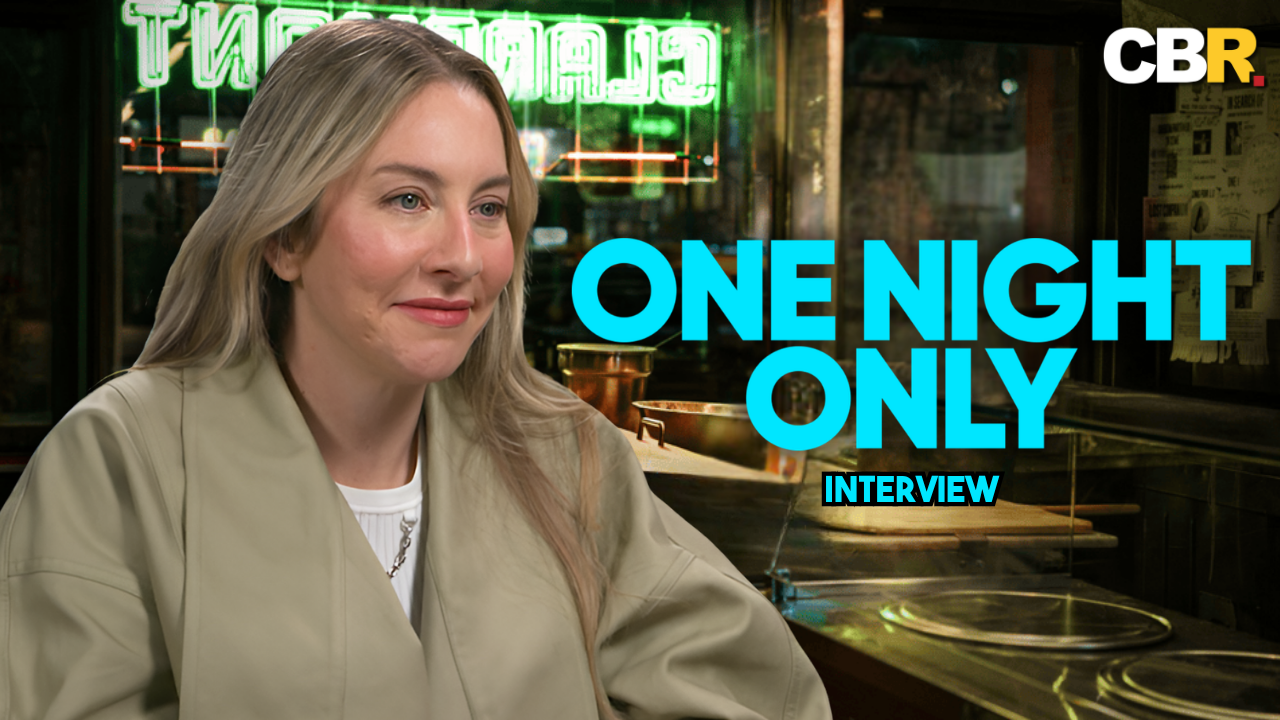
Este Haim's unique experience as both actor and composer in 'One Night Only' reveals deeper themes of creativity and inspiration on set.
In simple terms, the film "One Night Only" puts forth a central question: What happens when someone effortlessly blends their dual passions of acting and music composition? Este Haim explores this merging of talents, giving audiences an insightful glimpse into the creative process and the multifaceted nature of artistic expression. Through her unique dual role, Haim presents a narrative that highlights not only her personal creative journey but also explores the broader thematic implications of collaboration in art.
The film showcases Haim's approach to character development and storytelling, offering a deeper connection to the material she both acted in and composed for. Through interviews, she reflects on how being an actor informed her artistic decisions as a composer and vice versa. This intertwining of roles provides an enriching lens through which to examine the film as a whole, indicating that creativity thrives on collaboration and multifaceted identities.
What is confirmed through Haim's reflections is her distinct approach to the character within "One Night Only". By stepping into the shoes of an actor and simultaneously creating the musical backdrop, she gains unparalleled insight into the emotional intricacy of the narrative. The experience of being on set not only motivated her but also inspired her composition, suggesting that the energy and vibe of the filming process significantly influenced her underground emotional pulse for the score.
Haim's commitment to capturing a genuine experience showcases a nuanced exploration of the interplay between acting and songwriting. By fully immersing herself in the filming process, her performances become more authentic, and her compositions more resonant. This duality is especially compelling in the context of today's evolving landscape where many artists seek to fuse disparate elements of their talents.
At its heart, "One Night Only" is a meditation on the nature of collaboration in creativity. Haim's comments emphasize the importance of teamwork, with her insights suggesting that the film serves as a microcosm of how different artistic disciplines can complement and elevate each other. Here, we see a cultural shift where artists are encouraged to embrace versatility in their work.
This idea mirrors broader trends in contemporary cinema and music, where cross-genre collaborations lead to innovative outcomes. As Haim articulates, the joyous chaos on set fueled her creative spirit, aligning with today's narrative that multi-talented individuals can have a lasting impact across industries. By sharing her experiences, Haim articulates the very essence of why the arts thrive when individuals bring multiple skills to the table.
Haim distinctly notes in her interview that being part of the film's creative team created an exhilarating environment, pushing her artistic boundaries. This dedication to both acting and composing resulted in a multilayered final product, exemplifying how personal investment can improve a project’s overall quality. Such insights allow views to appreciate the film not just as entertainment but as a genuine expression of dedication and talent.
As audiences engage with Haim's performances in "One Night Only", it becomes increasingly evident how beautifully the score complements her acting. The music, crafted from her perspective, echoes the emotional landscapes portrayed by the characters, thus creating a seamless narrative experience. The score becomes an unofficial partner to the storytelling, enriching scenes rather than simply serving as background music.
This elegant interaction of score and performance also raises questions about the evolving role of musicians in film. Can contemporary artists like Haim redefine how we view soundtracks and compositions in cinema? With her groundbreaking creative approach, she certainly provides a compelling argument. This discussion resonates with a wider audience, particularly fans of innovative cinematic creations seeing fresh talent blur the lines between different forms of artistic expression.
In concluding, "One Night Only" positions itself as a celebration of creativity fueled by collaboration. Haim's unique ability to operate at the intersection of acting and composing concludes not just with the film's final scenes but also in the journey the audience embarks on with her. By emphasizing the interconnectedness of each role within the film, viewers are left with a deeper awareness of how varied talents can coexist meaningfully. Ultimately, this narrative aligns with earlier themes of resilience and creativity, culminating in a remarkably cohesive final message: artistic expression is more powerful when various talents intertwine.
For fans of modern storytelling and those intrigued by multifaceted artists, Este Haim’s accomplishments in "One Night Only" provide a rich case study. Audiences may also want to explore similar thematic nuances in other films. If you're interested in a further breakdown of the film's comedic aspects, check out Behind the Funniest Moments of the Film. Another insightful resource is Will Gluck's insights on filmmaking, which deepens the understanding of collaborative dynamics within the project.
Este Haim's experience in "One Night Only" serves as a reminder that when artists embrace their multifaceted identities, new pathways in creativity emerge. The blending of roles within a single project reveals not only individual talents but also expresses a transformative idea of collaboration that is becoming central in the arts. As the line between music and acting continues to blur, artists like Haim showcase the exciting potential of creative evolution and inspire others in the industry to follow suit.
Movie explanation
EpisodeBreakdown may use automated tools to assist research, drafting, and formatting. Published pages are governed by our editorial and corrections policies, and source links are shown when they are available in the article record.
Discovery source: CBR Movies. The source identifies where the topic was discovered; EpisodeBreakdown is responsible for the commentary published on this page.
Reader response
Reactions and poll results are based on real reader responses. No account is required.
Dive into 'Godzilla Minus Zero,' exploring its plot twists, character arcs, and underlying themes.