Godzilla
Exploring Godzilla Minus Zero: Themes, Characters, and Plot Insights
Godzilla Minus Zero, releasing in 2026, takes audiences deeper into its thematic exploration of recovery and resilience after devastation.
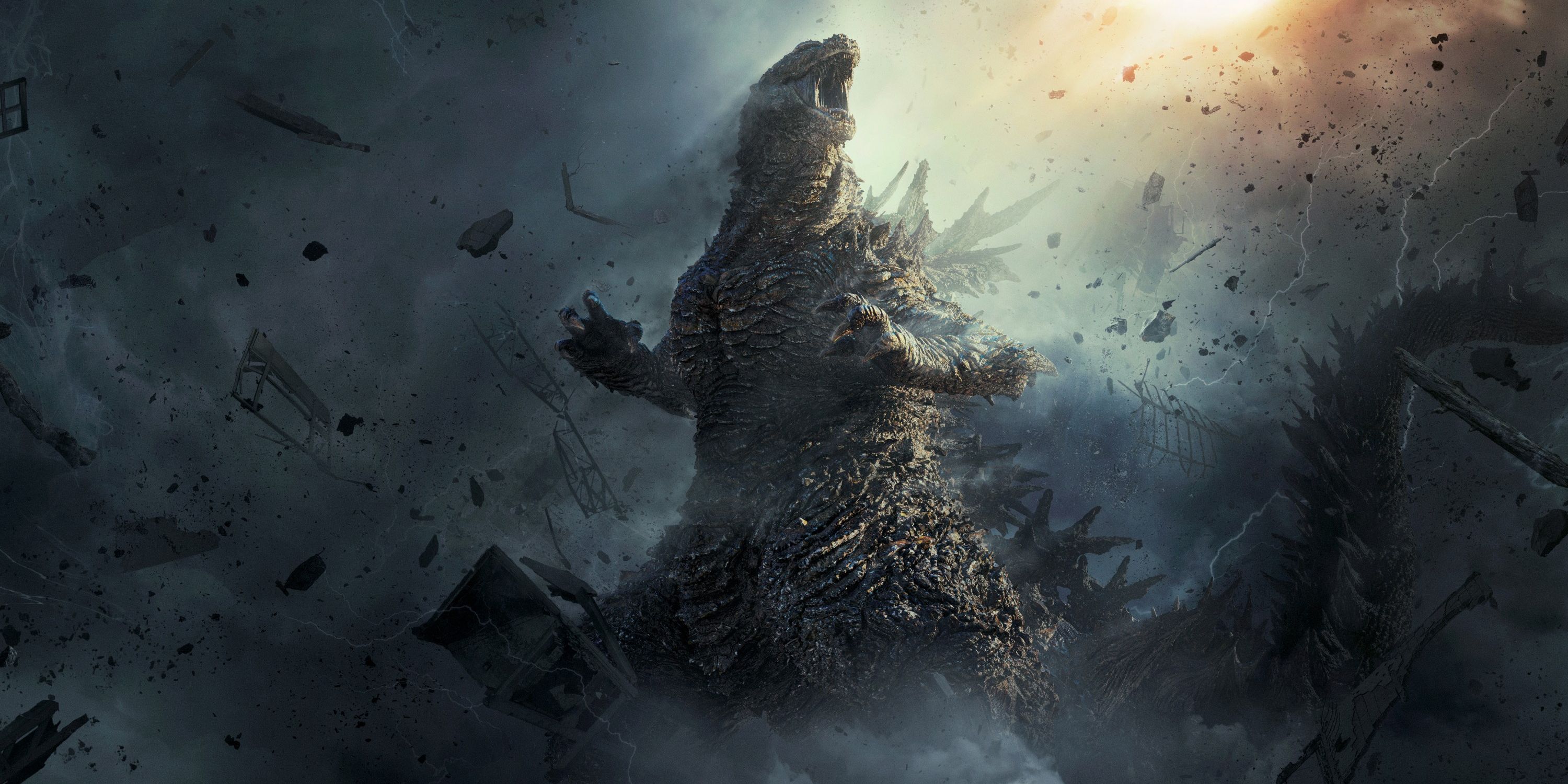
Godzilla Minus Zero, releasing in 2026, takes audiences deeper into its thematic exploration of recovery and resilience after devastation.
What is the emotional and existential impact of living through catastrophe? Godzilla Minus Zero attempts to answer this by situating its characters in a world ravaged by war and the iconic kaiju. The film examines how trauma influences the psyche and societal rebuilding. In simple terms, the movie connects the chaotic destruction of Godzilla with the characters’ journeys toward recovery and renewal.
Godzilla Minus Zero is set two years after a devastating conflict that has left Japan in ruins. As the narrative unfolds, we see the country fight to reclaim normalcy and peace. The film’s title hints that Godzilla represents not just chaos but a chilling reality; the stakes have never been higher. The story tackles the duality of hope and despair, evidenced by how the survivors grapple with psychological scars from their experiences.
Confirmed Events: It’s established that the film picks up from where Godzilla Minus One left off, with a retelling of the characters' struggles against the legacy of Godzilla. Characters like Koichi Shikishima, Noriko Oishi, and newcomers like biologist Kanji Murakami are pivotal in showcasing these themes.
Among returning characters, Ryunosuke Kamiki as Koichi Shikishima remains central, while Min Tanaka's Kanji Murakami brings new depth as a biologist haunted by war. These layers enrich the narrative, showcasing how past trauma can inform character decisions. Shikishima's journey is one of resilience, reminiscent of individuals who must navigate through layers of grief and loss.
Interpretation: The instability represented by the return of Godzilla is parallel to the characters' internal battles. Murakami’s psychological scars serve as a symbolic representation of the collective trauma experienced by a nation. By delving into their emotional states, the film urges the audience to empathize with their plight and understand the ramifications of living in fear.
A significant turning point occurs when humanity seems to have achieved a fragile peace, only to face an unexpected new threat. This narrative choice emphasizes the cyclical nature of trauma and recovery; just as they begin to heal, a new calamity strikes. The unpredictable appearance of Godzilla repositions the monsters—both literal and metaphorical—in the contestants of human endurance.
Confirmed Elements: While the exact nature of the new threat remains undisclosed, it is implied that this event will force characters to confront not just external dangers, but also the emotional echoes of past conflicts. This twist strengthens the overarching theme of continuous evolution, both as individuals and as a society.
At its core, Godzilla Minus Zero strengthens its franchise's exploration of the titular character as a dual symbol of destruction and awe. Godzilla, while a harbinger of chaos, also serves as a catalyst for human resilience. The film underscores how fear can lead to fortitude. Director Takashi Yamazaki expresses excitement about how Godzilla's legacy can terrify while simultaneously resonating on deeper levels.
Interpretation: Godzilla’s re-emergence acts as a backdrop for the characters, revealing that their fear of destruction can be transformed into a source of strength. The fear that permeates the film aligns with both horror and hope, effectively emphasizing that human beings often find ways to reconcile their existence amidst chaos.
As Godzilla Minus Zero nears its conclusion, viewers can expect a resolution that aligns with the evolving arcs of the characters discovered throughout the film. Confirmed through earlier pivotal moments, the narrative builds toward a climax that isn’t just about defeating the monster; it centers around personal redemption and collective healing. This artistic choice reinforces the idea that confronting one's fears is the first step towards recovery.
Outcome Expectation: By building on previous films in the franchise, Godzilla Minus Zero aims to balance its large-scale battles with intimate character explorations. The final scenes are likely to leave viewers contemplating the impact of shared traumas, and how societal recovery is often contingent on individual growth. The integration of personal stories with the broader narrative sets the stage for a rich cinematic experience.
Godzilla Minus Zero signifies a bold continuation of the Godzilla legacy while inviting audiences into deeper intellectual and emotional territories. The prominent themes of recovery, resilience, and the psychological impact of trauma provide a refreshingly human context to a kaiju film. With an official premiere set at the prestigious New York Film Festival, fans can expect an engaging mix of jaw-dropping action and thought-provoking storytelling when it releases wide in November.
In anticipation of the film and its thematic explorations, readers can also explore other works such as Exploring the World of 'One Night Only': Insights from Will Gluck and Analyzing Este Haim's Multifaceted Role in 'One Night Only'. The richness of such narratives enhances the cinematic landscape and encourages deeper dialogues about life’s trials and triumphs.
Movie explanation
EpisodeBreakdown may use automated tools to assist research, drafting, and formatting. Published pages are governed by our editorial and corrections policies, and source links are shown when they are available in the article record.
Discovery source: CBR Movies. The source identifies where the topic was discovered; EpisodeBreakdown is responsible for the commentary published on this page.
Reader response
Reactions and poll results are based on real reader responses. No account is required.
Dive into 'Godzilla Minus Zero,' exploring its plot twists, character arcs, and underlying themes.