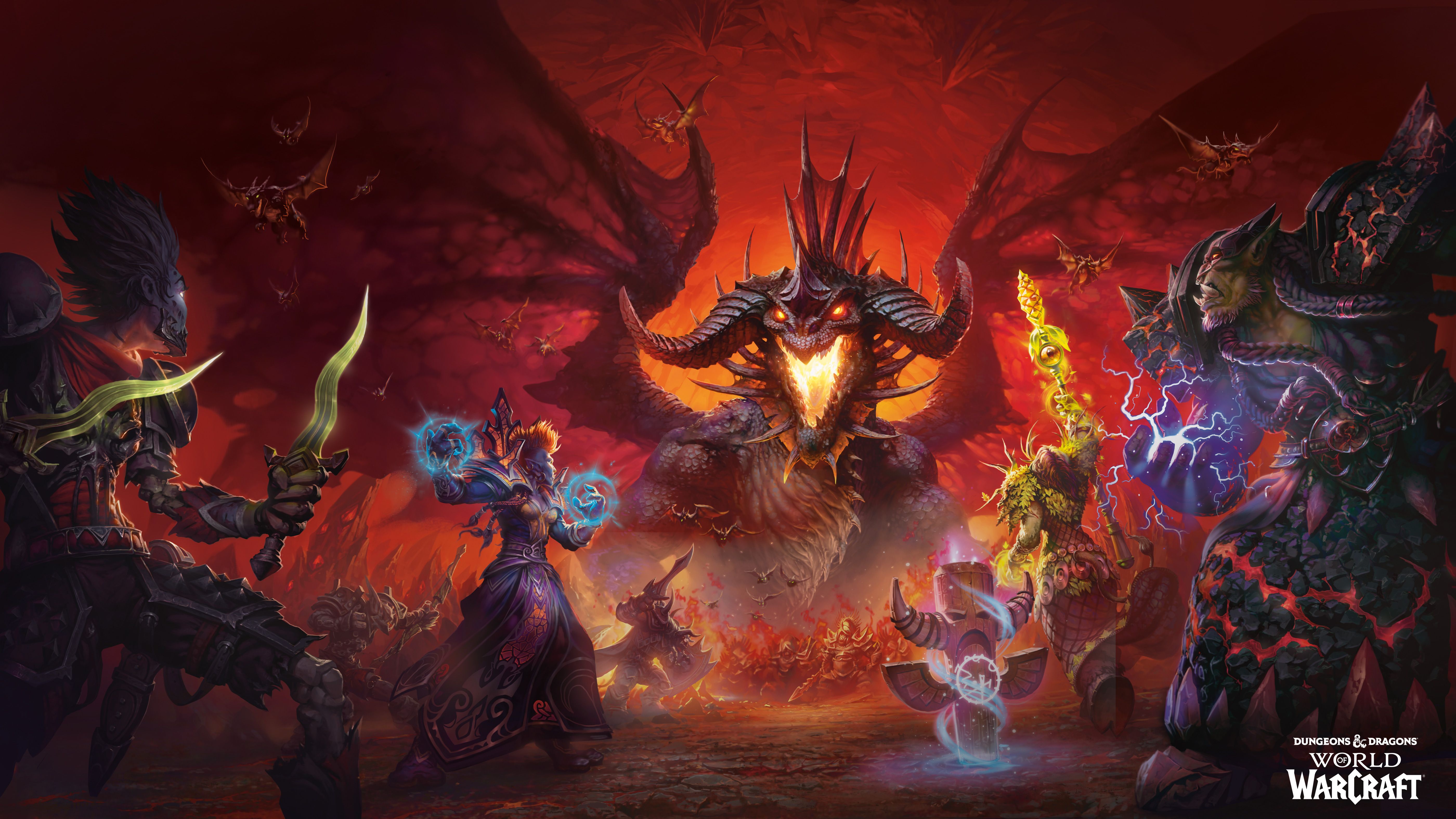
Dungeons & Dragons Expands with World of Warcraft Crossover
Dungeons & Dragons debuts crossover with World of Warcraft, adopting a new Universes Beyond strategy in gaming.
UEFA has announced a boycott of FIFA events, warning of no European participation unless FIFA changes its controversial commercial plans.
In simple terms, European soccer's governing body, UEFA, has voted to boycott all FIFA events, including the upcoming World Cup, unless FIFA abandons its contentious proposal to sell off a portion of its commercial operations to private investors. This significant announcement came during an emergency meeting held on July 30, 2026, following the leak of FIFA's plans. According to The Hollywood Reporter, UEFA explicitly stated that no European national teams will compete in any FIFA competition as long as these plans remain active.
UEFA's decision reflects a unanimous stance among its 55 member associations against FIFA's recent proposal. This proposed plan involves transferring FIFA's commercial operations to a new entity, FIFA Forward Enterprise (FFE), potentially selling 20% of the company to Thrive Capital, a firm led by Joshua Kushner. The ramifications of this deal could threaten the integrity of the World Cup as it transitions into a wholly commercial venture. UEFA declared, "The World Cup is not for sale," emphasizing the importance of preserving soccer's core values.
This unprecedented move by UEFA comes at a time when European teams dominate global competitions. Just this past season, three of the four semi-finalists in the men's World Cup were European, showcasing the undeniable power and influence these teams have in international soccer. A World Cup devoid of European nations would more likely result in diminished viewership and a less lucrative event overall. UEFA's endorsement of a boycott supports the idea that soccer's heritage and competitive spirit may be at stake due to external financial pressures.
FIFA President Gianni Infantino has confirmed the commercial plans, positioning them as a "golden opportunity" to enhance financial resources for FIFA members and hasten the global development of the sport. However, this assertion has attracted significant criticism, particularly regarding the lack of transparency in proposing such transformative changes without adequate consultation with soccer stakeholders. UEFA commented on this process, condemning it as a significant failure in leadership and brand management, highlighting the necessity for open discussions about the future of soccer.
Moreover, Infantino's vision of increasing international tournaments and elevating ticket prices, potentially alongside other revenue-generating strategies, appears to have incited resistance from various soccer communities. This includes regional organizations like the Asian Football Confederation (AFC) and Concacaf, further complicating FIFA's agenda.
UEFA's boycott holds the potential to undermine Infantino's grand plans even before they materialize. With European teams stepping away from FIFA competitions, the potential for future revenue streams could dwindle significantly. Furthermore, FIFA's recently concluded World Cup in the U.S., Canada, and Mexico is reported to have generated more than $15 billion, setting a precedent for commercial success but also drawing scrutiny concerning the balance of financial gain with ethical responsibility in the sport.
The ongoing tension reflects deeper issues, including allegations of political influence impacting soccer governance—compounded by incidents where FIFA reversed disciplinary actions due to intervention from political figures. UEFA has been vocal in its concerns, arguing that the essence of football should not be dictated by financial interests alone.
As the discourse continues, UEFA's assertion that "football's future cannot be dictated by the expectations of those whose first duty is to maximize financial return" resonates with fans and players alike. Soccer's integrity depends on the health of its institutions and their commitment to upholding the sport's founding principles. The call for accountability from UEFA may drive change in how FIFA operates moving forward.
The reverberations of this boycott may signal a shift in global soccer dynamics, urging stakeholders to reconsider the direction of the sport. It remains to be seen how FIFA will respond, especially with potential shifts in voter influence within its rarely transparent governance structure. If UEFA follows through with its decision, the future of both commercial and competitive soccer at FIFA’s highest levels could enter a phase of uncertainty, potentially leading to broader reform in the game’s governance dynamics. For continuous updates on FIFA's response and any changes in the situation, stay tuned.
For more on sports governance, check out Tom Holland Discourages Fans About the Black Suit and Venom's MCU Future and Ryan Gosling’s Ghost Rider Revives Marvel’s Supernatural Promises.
Entertainment news
EpisodeBreakdown may use automated tools to assist research, drafting, and formatting. Published pages are governed by our editorial and corrections policies, and source links are shown when they are available in the article record.
Discovery source: The Hollywood Reporter. The source identifies where the topic was discovered; EpisodeBreakdown is responsible for the commentary published on this page.
Reader response
Reactions and poll results are based on real reader responses. No account is required.