CBS' FBI and CIA Set for Crossover Episodes This October
CBS announces crossover episodes integrating FBI and CIA, highlighting showrunner insights from TVLine.
Evil would have become a very different show if its creators had gone with their original plan for Michael Emerson's Leland at the end of Season 1.
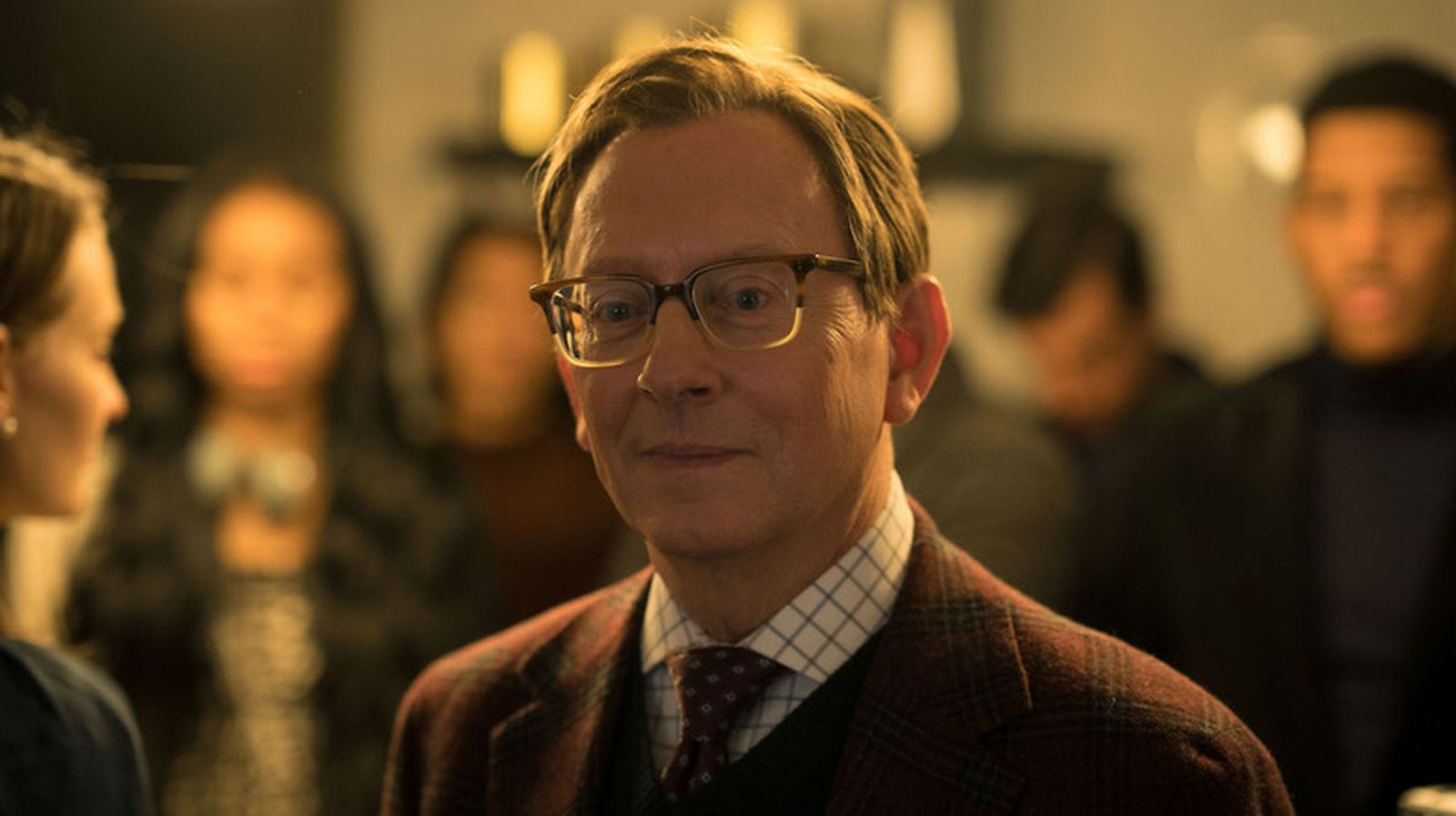
The show Evil was set to take a drastically different turn in its storyline. Co-creators Robert and Michelle King disclosed that they initially intended to kill off antagonist Leland Townsend, portrayed by Michael Emerson, at the end of Season 1. This surprising detail was revealed during an interview that coincided with the show's fourth season broadcasts. The decision to maintain Leland as a character had profound implications for the series, both in terms of narrative depth and audience engagement.
Originally, the creators envisioned a plot twist where Leland's death would introduce his doppelgänger; an uneventful insurance adjuster from Des Moines would replace him. Robert King expressed their fascination with the theme of doubles during this development phase. This alternative direction signaled their exploration of more surreal themes in Evil, contrasting sharply with the straightforward narratives the show eventually pursued. The retention of Leland highlighted the importance of establishing a well-rounded antagonist, enriching the show's core dynamics.
Eventually, the creators opted for a different climax for Leland in the Season 1 penultimate episode titled "Justice x 2." In this episode, the protagonist Dr. Kristen Bouchard, played by Katja Herbers, uncovers Leland's past as Jake Perry, showcasing a mundane identity beneath his sinister persona. This intentional reveal serves as a power shift within the narrative, deepening the characterization of Leland. The decision emphasized character development over shocking plot twists, aligning with the overarching themes of dark humor and moral ambiguity prevalent throughout the series.
Retaining Leland as a continued antagonist significantly impacted the show. His interactions with Kristen fostered captivating dialogue that crafted a narrative laced with tension and humor. The proposed doppelgänger scenario could have disrupted the chemistry between characters, potentially weakening the viewers' investment in the complex battle of wits that marked many standout moments of the series. The dynamic relationship fostered by Leland and Kristen became a defining feature of the show, contributing to its overall appeal and viewer loyalty.
The choice to spare Leland extends beyond mere plot mechanics; it highlights the creators' commitment to character-centric storytelling. Instead of resorting to a recycled trope involving a doppelgänger, they allowed Leland's character to evolve, exhibiting shades of complexity that resonated more deeply with the audience. As the show has concluded, Leland’s character remains a focal point of fan conversations, with viewers reflecting on how pivotal his role was to the series’ success.
The interest in reviving Evil continues to grow, fueled by the fans' support for character arcs like Leland's. As discussions of a potential revival circulate, it will be essential for creators to consider how integral these rich character dynamics are to the storytelling that captivated audiences.
For more insights about Evil, check out our articles on Outlander's Season 2 Preview and P-Valley's Final Season Announcement.
Entertainment news
EpisodeBreakdown may use automated tools to assist research, drafting, and formatting. Published pages are governed by our editorial and corrections policies, and source links are shown when they are available in the article record.
Discovery source: TVLine. The source identifies where the topic was discovered; EpisodeBreakdown is responsible for the commentary published on this page.
Reader response
Reactions and poll results are based on real reader responses. No account is required.