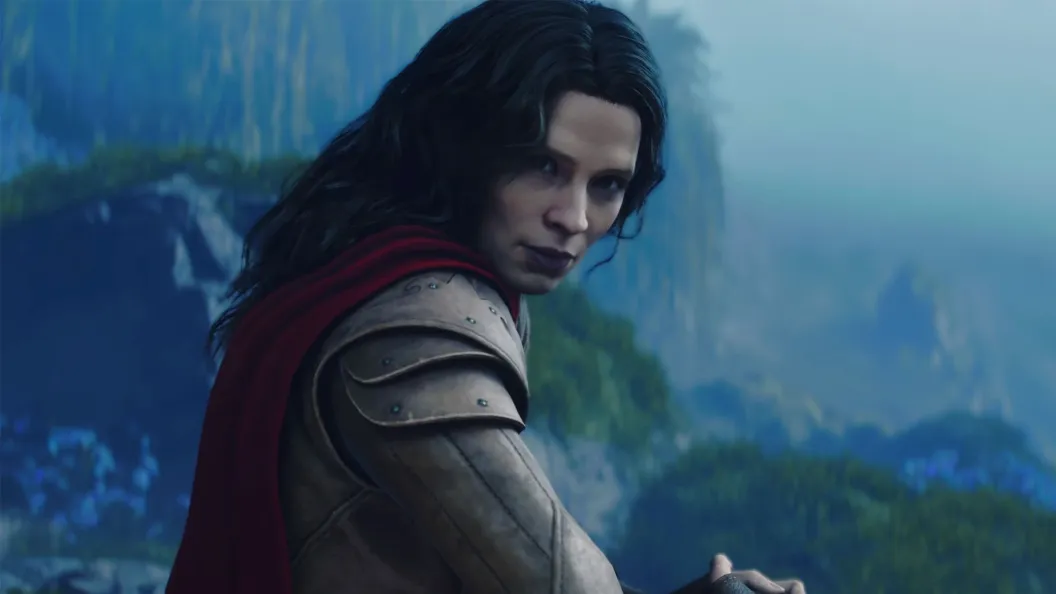
Playground Games' game director Ralph Fulton reveals the rebooted Fable will prioritize player freedom and meaningful endings, addressing past criticisms of its narrative conclusions.
Playground Games’ game director Ralph Fulton has provided clarity on how the upcoming Fable reboot will handle its narrative conclusion, emphasizing player freedom and meaningful storytelling. In an interview with The Guardian, Fulton outlined the studio’s commitment to ensuring the game’s ending feels impactful without forcing players into a rigid storyline. This approach comes after Fable’s predecessor, Fable 2, faced criticism for its anticlimactic final battle with the antagonist Lucian, which many fans felt undermined the series’ humor and narrative depth.
Addressing Past Narrative Critiques
Fulton acknowledged Fable’s history of ending struggles, noting that the studio has been careful to avoid repeating past mistakes. "It’s easy to look at industry metrics saying 100% of people start a game and only 25% finish, and decide not to invest heavily in the finale," Fulton explained. "We relentlessly pursued quality here." This statement highlights Playground Games’ decision to prioritize narrative depth over rushed conclusions, even though the game’s open-world design encourages exploration and side quests.
Player Choice and Narrative Impact
Unlike previous entries, Fable’s ending will be shaped by the player’s choices throughout the game. Fulton emphasized that the studio aims to create a conclusion where the player’s identity and decisions play a critical role, rather than simply defeating a final enemy. This shift aligns with the game’s focus on player agency, which has been a hallmark of Fable’s reboot. The studio has also confirmed that the game features over 1,000 NPCs, suggesting a rich world where player interactions can influence the narrative.
Balancing Freedom and Impact
A key challenge for Playground Games has been balancing player freedom with narrative impact. The studio has designed Fable to allow players to explore the game at their own pace, without pressure to complete the main story. However, Fulton stressed that the ending remains a critical part of the experience, even for players who may never reach it. This approach reflects the studio’s confidence in the game’s ability to deliver a satisfying conclusion for those who engage deeply with the world.
What’s Next for Fable’s Ending?
While Playground Games has not revealed the specific choice players will face in the finale, Fulton and his team are confident that Fable’s ending will resonate with fans. The studio has avoided making the ending too linear or predictable, instead focusing on creating a narrative that feels personal and impactful. This strategy is part of a broader effort to revitalize the Fable series, which has faced challenges in maintaining its legacy across multiple generations of players.
Why This Matters for Fable Fans
For Fable fans, this update addresses long-standing concerns about the series’ narrative execution. By prioritizing player choice and meaningful endings, Playground Games aims to bridge the gap between the original Fable trilogy and new audiences. The studio’s focus on quality over quantity in the ending could set a new standard for open-world RPGs, particularly in how they handle player agency and narrative consequences.
Fable’s reboot has been praised for its potential to revive the series while staying true to its roots. With over 1,000 NPCs and a strong emphasis on player-driven storytelling, the game promises to deliver a more immersive experience than previous entries. As Fulton noted, the studio’s goal is to "stick the landing"—ensuring that the ending feels earned and impactful, even if players don’t complete the entire narrative.
Fable’s Ending Strategy Focuses on Player AgencyAddressing Past Narrative CritiquesPlayer Choice and Narrative ImpactBalancing Freedom and Impact
EpisodeBreakdown may use automated tools to assist research, drafting, and formatting. Published pages are governed by our editorial and corrections policies, and source links are shown when they are available in the article record.
Discovery source:ComicBook.com. The source identifies where the topic was discovered; EpisodeBreakdown is responsible for the commentary published on this page.
Reader response
What did you think?
Be the first to react
Reactions and poll results are based on real reader responses. No account is required.
Continue the story
news
Captain America, Iron Man, and Thor Don’t Define the Avengers, These 5 Heroes Do
ComicBook.com reports that while Captain America, Iron Man, and Thor are often considered the core Avengers, the team’s true identity is defined by five key members who have shaped its legacy.Read next →