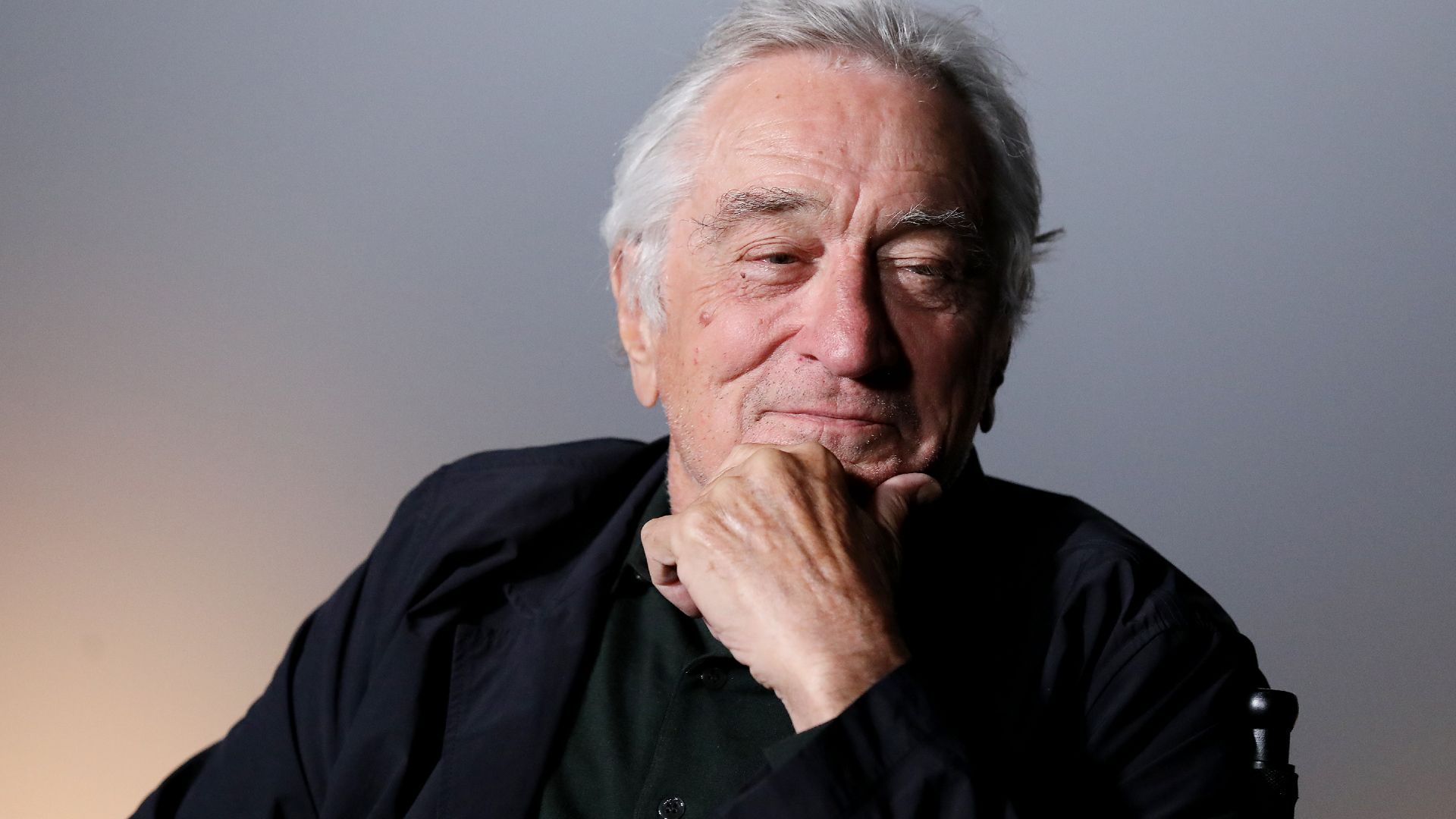
Robert De Niro's Cop Land Returns to Streaming Today
Robert De Niro's gritty crime thriller Cop Land is now back on streaming services, offering viewers a nostalgic revisit of this classic film.
Discover an in-depth analysis of timeless gangster films like 'The Godfather' and 'City of God', uncovering their themes and ending insights.

Gangster films have carved a unique space in cinema, offering rich narratives that explore crime, morality, and power dynamics. In simple terms, the central question these films often pose is, "What is the cost of ambition within a life intertwined with crime?" The answer reveals itself through complex character choices and thematic depth, which provide a window into the alluring yet perilous world of organized crime.
As evidenced by masterpieces ranging from The Godfather to City of God, the exploration of these themes is profound. Each film is not only a narrative about crime but also a commentary on society's moral fabric and the dark allure of power. Below, we'll dissect pivotal moments, character decisions, and thematic elements that affirm the flawlessness of these cinematic triumphs.
One of the most significant films in the gangster genre, The Godfather, directed by Francis Ford Coppola, provides a stark examination of the American Dream through the lens of organized crime. It chronicles the tumultuous journey of the Corleone family as they grapple with power and loyalty. The allure of crime offers Michael Corleone (Al Pacino) a path to power, but at a grave cost.
What is confirmed in this film is Michael's transformation from a reluctant outsider to a ruthless leader, showcasing the blurred lines between morality and survival. Coppola’s narrative illustrates how the pursuit of power can lead to moral decay and isolation. The themes of family loyalty versus personal ambition resonate throughout the film, culminating in a haunting climax that forever alters Michael’s identity.
Martin Scorsese’s The Departed presents a gripping cat-and-mouse game set in Boston’s criminal underbelly. The confirmed turning point of the film revolves around the infiltration of both the police and the mob. Colluding with an undercover cop, Billy Costigan (Leonardo DiCaprio), and a mole within the police, Colin Sullivan (Matt Damon), the film raises the question of which side holds the moral high ground.
Scorsese masterfully constructs a narrative where survival often necessitates betrayal. The raw depiction of violence and moral ambiguity throughout the story reflects the desperation that defines the lives of these characters. Ultimately, the film’s climax brings everything to a head, forcing both characters into confrontations that underline the chaos and moral vacuity of their choices, offering an unflinching view of the consequences of their double lives.
City of God stands out as a powerful commentary on systemic violence and poverty. It chronicles the lives of two childhood friends, Rocket and Li’l Zé, as they navigate a world steeped in crime. The film’s raw realism highlights how societal conditions perpetuate cycles of violence, creating both victims and perpetrators. What remains clear is the film’s unforgiving portrayal of the effects of crime on community and identity.
Unlike many traditional gangster films, City of God strips away the glamor associated with gang life, presenting it as a harrowing reality fraught with danger. The storytelling is punctuated with visceral imagery, showcasing both the brutality and the fragility of life in the favelas. It ends with a grim resolution that underscores the inescapability of this cycle, making a lasting impression on audiences.
In the Coen Brothers' Miller’s Crossing, the complexities of loyalty and survival are at the forefront. Unlike many epic narratives, this film flows with an understated tension that captures the viewer’s attention through character-driven storytelling. Tom Reagan (Gabriel Byrne) finds himself embroiled in an escalating gang war, navigating the choppy waters of loyalty and self-preservation.
The film veers into philosophical territory as it raises questions about personal ethics versus survival instincts amidst chaos. What stands confirmed is the Coen Brothers' ability to create an atmosphere heavy with suspense, highlighting the protagonist's internal struggle. The ending serves as a culmination of these moral dilemmas, reflecting a authenticity often absent in more traditional representations of gang life.
James Cagney’s performance in White Heat exemplifies the psychological intensity inherent to gangster films. As Cody Jarrett, Cagney embodies a volatile character whose psychological complexities drive the narrative. The stakes in this film pivot on Jarrett’s chaotic personality, illustrating how violence intertwines with his need for maternal validation.
What is confirmed through the climactic events of White Heat is a study of criminal psychosis and the inevitable unraveling of a disturbed mind. The film presents a harrowing exploration of morality, often eschewing traditional narratives in favor of delving into the chaotic psyche of its main character. The iconic climax establishes White Heat as a field piece to explore the unstable nature of crime and personality disorders.
These analyses reveal that the so-called ‘flawless’ gangster movies collectively engage with critical themes of power, morality, and aspiration while simultaneously offering distinctive lenses on the human condition. The confirmed endings, steeped in moral ambiguity and inevitable consequence, anchor these stories in a relatable, albeit harsh, reality that resonates across different cultures and eras. Such films challenge audiences to reflect on the cost of their characters’ choices and the broader implications of crime embedded in society.
For more insights into character revelations in narrative cinema, check out 10 Movies That Spoil Their Own Endings and explore the intricate layers of crime dramas.
The exploration of these 'flawless' gangster movies reveals that they transcend their genre limitations. They serve not only as thrilling depictions of criminal life but also as profound reflections on societal morality and the human experience. Such films compel audiences to question their own beliefs about right, wrong, and the often blurred lines in between. As we continue to dissect the legacy of these cinematic works, we gain not just entertainment but also a deeper understanding of the complexities of ambition and power.
Movie explanation
EpisodeBreakdown may use automated tools to assist research, drafting, and formatting. Published pages are governed by our editorial and corrections policies, and source links are shown when they are available in the article record.
Discovery source: Collider. The source identifies where the topic was discovered; EpisodeBreakdown is responsible for the commentary published on this page.
Reader response
Reactions and poll results are based on real reader responses. No account is required.