The Debt Collector: A Gripping Action Drama Examining Atonement
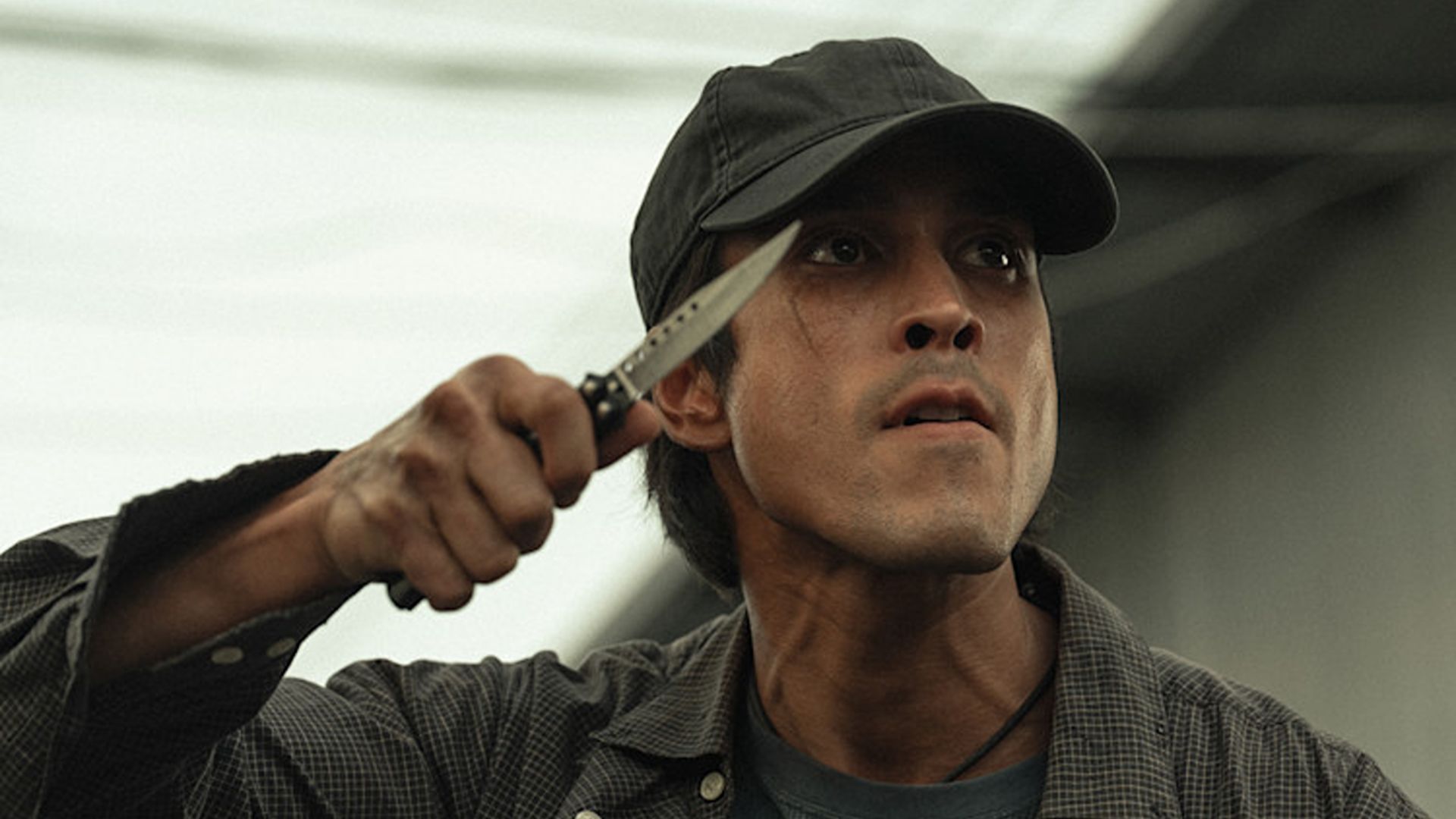
Explore how The Debt Collector examines deeper themes of guilt and redemption through its central character Num, diverging from conventional action tropes.
The latest Star Trek reboot will boldly step away from Captain Kirk, introducing new characters and stories for fans to explore.
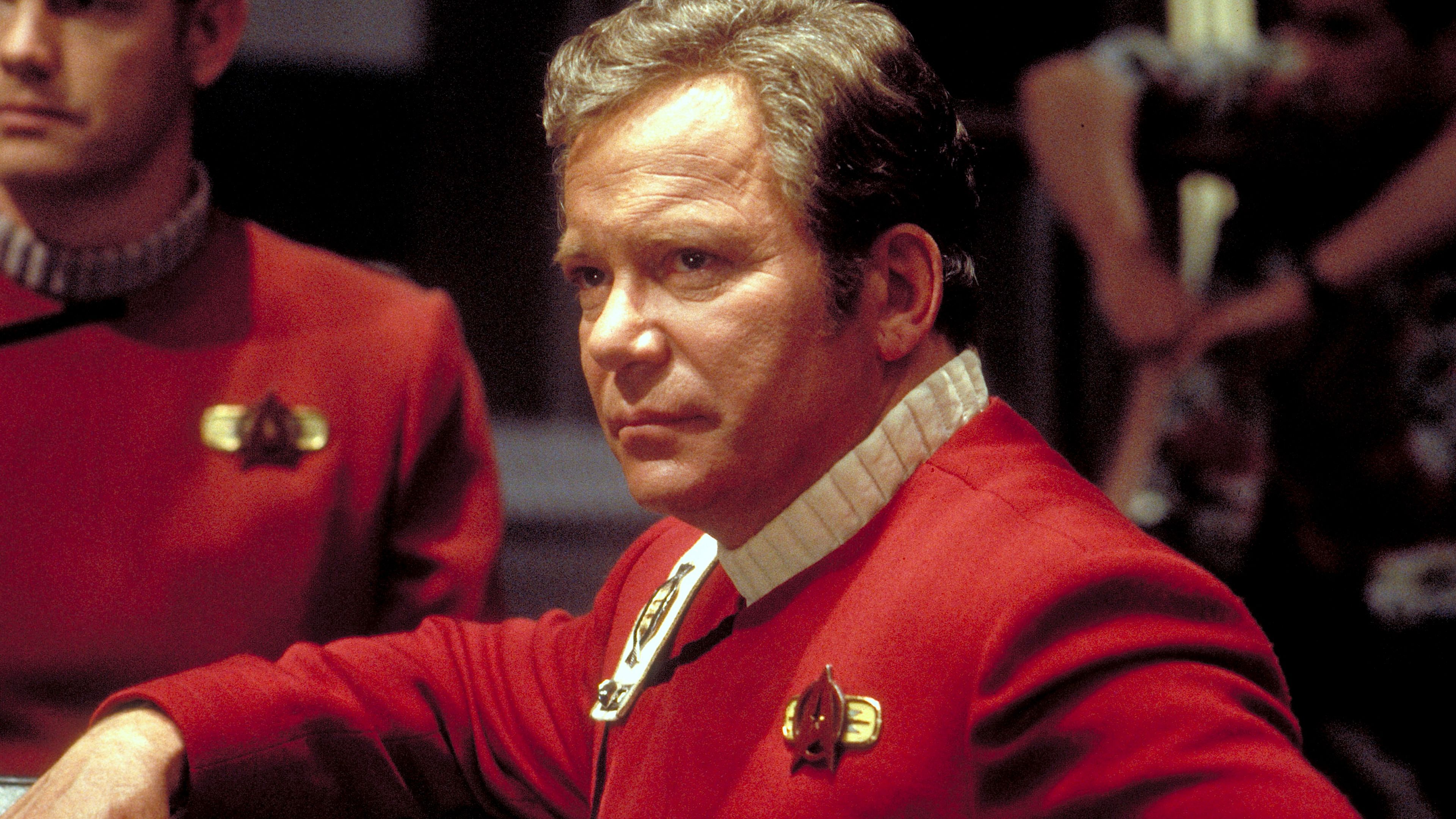
In simple terms, the upcoming Star Trek reboot will not feature Captain James T. Kirk as its lead character. This decision marks a significant shift in the franchise, which has long been synonymous with Kirk's persona. By choosing to introduce a brand-new Captain alongside unfamiliar crew members, Paramount is charting a bold course intended to bring fresh dynamics and narratives to the beloved sci-fi saga.
The central question surrounding this reboot is clear: Can the Star Trek franchise successfully transition away from its most iconic character while maintaining its core spirit? As confirmed by reports, the new film seeks to distance itself from the familiar faces that have defined Star Trek for decades. This raises both excitement and anxiety among the fanbase, eager for new stories yet wary of stepping away from what they know and love.
One of the most notable confirmed changes is the complete replacement of Captain Kirk and the crew we are accustomed to. Historically, Kirk, originally played by William Shatner and revitalized by Chris Pine, has been the quintessential leader, embodying the adventurous spirit that Star Trek celebrates. The reboot seeks instead to explore new characters, potentially diversifying the narrative landscape.
The intention here appears to be a conscious departure from nostalgia, a topic that has plagued various franchises in recent years. It’s a testament to a desire for originality over mere rehashing, as evidenced by critiques of lingering within the past, such as those surrounding the recent Star Wars films.
At its core, Star Trek has always championed exploration and progressive ideals. By introducing entirely new characters, this reboot can delve into fresh themes, interpersonal dynamics, and character arcs that may not have been explored under Kirk’s leadership. With a host of new narratives, the franchise could reclaim its title as a bold innovator within the cinematic universe.
This strategic pivot seems necessary in light of the critiques surrounding character revival fatigue seen in properties like the Marvel Cinematic Universe and the Jurassic franchise. New beginnings promise the opportunity to not only explore uncharted territories but also challenge the frameworks established by past timelines.
Fan reactions to the announcement are mixed yet filled with cautious optimism. Many long-time viewers cherish the legacy of Kirk and his crew but are also ready for a prolonged narrative shift. While there is an inherent risk in moving away from such iconic figures, it opens doors for character development that the franchise has not explored recently. As noted in discussions about previous Star Trek series, the lore is rich enough to accommodate a multitude of journeys and leadership styles.
The departure from Kirk's characterization—whether he was the daring, rule-bending hero or the heartfelt captain—sets the stage for potentially groundbreaking storytelling. There is considerable intrigue around how these new characters might operate in the vastness of space. Will they reflect traditional Starfleet values, or could they challenge them in ways Kirk never did?
Paramount's choice, as officially reported, to introduce new leadership in Star Trek signals a commitment to the franchise's evolution. The lessons learned from past iterations clearly informed this decision. It seems writers are aware of the overwhelming fatigue with Hollywood’s nostalgic trends and are eager to provide an engaging alternative.
As this will be the first new Star Trek film to not revisit the journey of Kirk and his companions since 2002, the stakes are distinctly high. Should this reboot successfully captivate both new viewers and loyal fans, it has the potential to re-establish Star Trek as a key player in the modern cinematic landscape.
While specifics on the new Captain and crew remain largely under wraps, expectations are high for a blend of diverse characters who may reflect contemporary values and mores. This setting will allow for fresh conflicts and storylines that can resonate with audiences who may have come of age outside the classic Star Trek timeline.
Considering the future of the Star Trek franchise without Captain Kirk signifies the end of an era yet simultaneously heralds new beginnings. The essence of exploration, characteristic of Star Trek, still holds true; it is perhaps time to explore the frontiers of storytelling in ways unforeseen. Paramount's ambitious strategy poses provocative questions about leadership, identity, and the impact of evolving narratives.
The impending Star Trek reboot, which will replace Captain Kirk with new characters, underscores a significant cultural shift in how storytelling is approached in beloved franchises. As the franchise embraces fresh perspectives, fans will find comfort in the growth of the narrative world while facing the uncertainty of the unknown. This bold move may ultimately open the floodgates for innovative, challenging sci-fi that, when executing new dynamics elegantly, has the potential to connect deeply with both long-time aficionados and first-time viewers alike. The future indeed seems bright for an evolving Star Trek universe that boldly goes where it has never gone before.
Related Links:
Movie explanation
EpisodeBreakdown may use automated tools to assist research, drafting, and formatting. Published pages are governed by our editorial and corrections policies, and source links are shown when they are available in the article record.
Discovery source: CBR Movies. The source identifies where the topic was discovered; EpisodeBreakdown is responsible for the commentary published on this page.
Reader response
Reactions and poll results are based on real reader responses. No account is required.