test
asdasd
Star Trek's new 12-part series explores Kirk's journey in a fractured galaxy post-Burn, expanding the franchise's storytelling landscape.
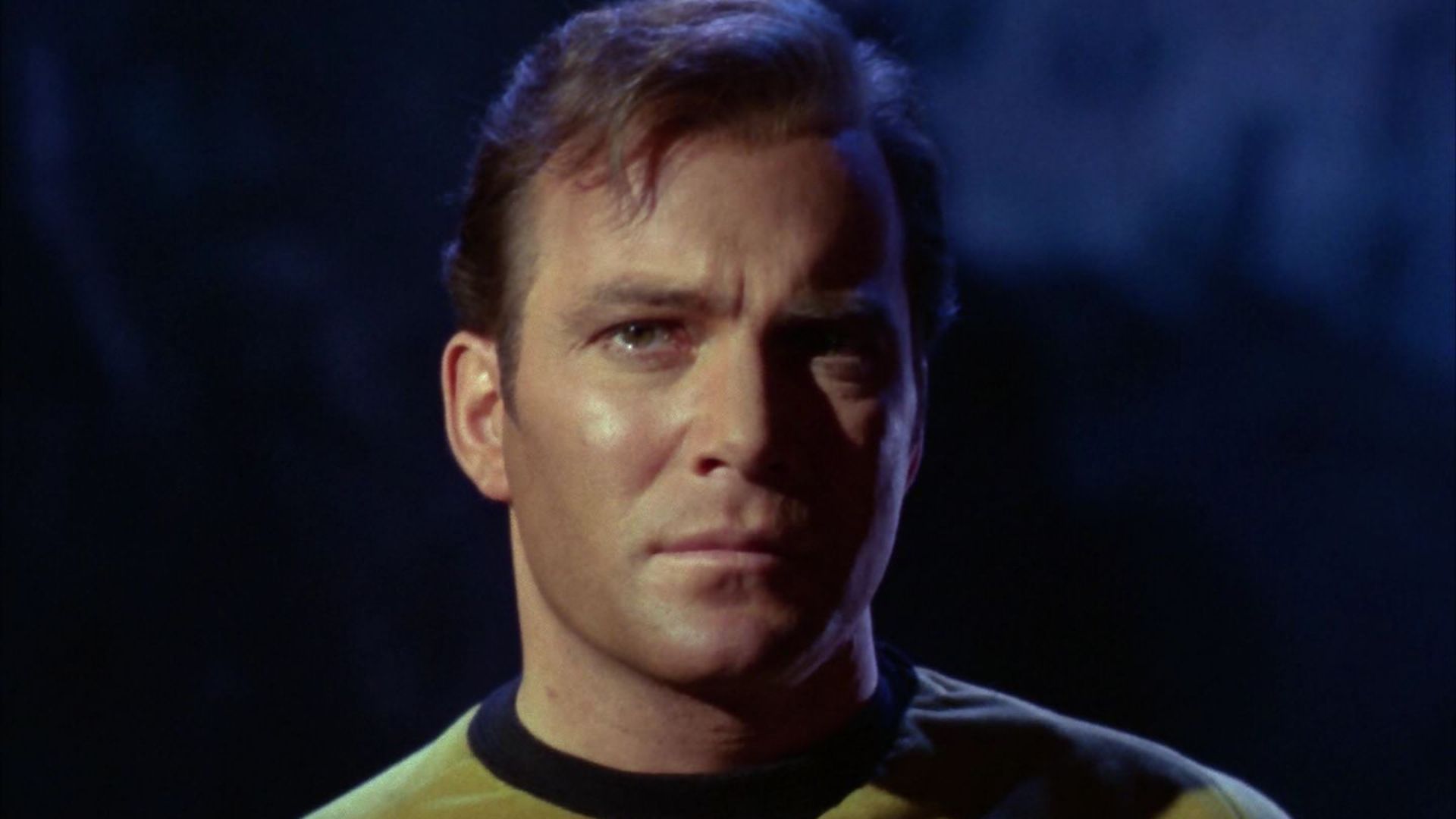
In simple terms, Star Trek's latest installment, a twelve-issue series centered on Captain James T. Kirk, opens new doors for storytelling within the franchise. Titled Star Trek: The Last Starship, this series explores the aftermath of the galaxy’s dramatic Burn and offers insights into an era that has largely remained unexamined until now.
What happens is that the series dives into a fractured version of the Federation, where Starfleet’s once-great fleet has dwindled to almost nothing. The changes shed light on the geopolitical landscape following widespread calamity, allowing narratives of desperation and resilience to unfold. This new journey sets the stage for a boldly re-imagined future within the Star Trek universe.
The backdrop of The Last Starship is compelling due to its unique positioning after the events of Star Trek: Discovery. Following the galaxy-altering Burn, the Federation is depicted as grappling with its identity amid extreme political fragmentation and loss of power. This setting raises the stakes immensely for both the characters and the franchise.
Delving into the years that have transpired since the Burn is like exploring an uncharted territory in the Star Trek narrative. Not only does it provide insights into how former alliances have unraveled, but it also presents a landscape filled with emerging powers that have taken advantage of the Federation’s weakened state.
Star Trek: The Last Starship offers a distinctive look at Captain Kirk, who is resurrected through cloning and placed in the tumultuous 31st century. This decision is rich with implications, allowing the character to retain his legacy while interacting with a future that bears little resemblance to the optimistic voyages he once undertook aboard the U.S.S. Enterprise.
Kirk’s journey will involve navigating a galaxy where ideals have been eroded. His character's inherent optimism will contrast starkly with the lawlessness and moral ambiguity that define this new epoch. This dynamic not only enriches Kirk’s personality but also infers how characters from classic Star Trek can resonate with new challenges and societies.
Interpersonal drama plays a crucial role, particularly in the tension between Kirk and Captain Sato, who is in command of the U.S.S. Sagan. Their disagreements over command decisions reflect not just personal conflict but are emblematic of larger ideological struggles. Wars are not fought merely with phasers but also with the philosophical battles over how to lead in times of crisis.
This conflict rejuvenates familiar themes from the series, such as the ideals of leadership and collaboration in trying times. It adds emotional weight as Kirk contends with not only external threats but the very essence of what the Federation stands for.
The series also crafts a meticulous examination of the political landscape. With the emergence of the Emerald Chain as a significant and opportunistic power, The Last Starship introduces layers of complexity that have the potential to expand significantly in future narratives. The power vacuum left by the absence of Starfleet promises long-term storytelling avenues that could be explored in subsequent series or comics.
This sense of a fragmented galaxy where familiar alliances are no longer stable enhances the stakes for both the characters and fans. It rekindles the spirit of exploration and diplomacy that is at the heart of Star Trek while positioning it in a dramatically altered landscape.
The narrative foundation laid by Star Trek: The Last Starship serves a dual purpose—it enriches the established lore of the franchise while allowing for fresh, innovative storytelling opportunities. Concepts such as faster-than-light travel no longer exclusively relying on dilithium represent avenues for imaginative exploration that reflect contemporary themes of resilience amid chaos.
As a critical piece of 32nd-century canon, this series is set to fire the imaginations of writers, perhaps sparking spin-offs and sequels that can play in this captivating portion of the Star Trek universe.
For those looking to dig deeper into the legacy of Star Trek, articles on topics like Andy Weir's take on the Star Trek vs. Star Wars debate and the surprising origins of the iconic Star Trek intro are great resources to explore.
In summary, Star Trek: The Last Starship not only updates our understanding of Captain Kirk but also unlocks a burgeoning narrative potential that could redefine the franchise's future. The challenges posed by this new era are both timely and timeless, appealing to long-time fans while inviting new viewers to join in. The uncertainty remains, however, regarding how other beloved characters might be utilized in this altered context and what future stories might arise from this intricate and ever-evolving universe.
Story breakdown
EpisodeBreakdown may use automated tools to assist research, drafting, and formatting. Published pages are governed by our editorial and corrections policies, and source links are shown when they are available in the article record.
Discovery source: ScreenRant. The source identifies where the topic was discovered; EpisodeBreakdown is responsible for the commentary published on this page.
Reader response
Reactions and poll results are based on real reader responses. No account is required.