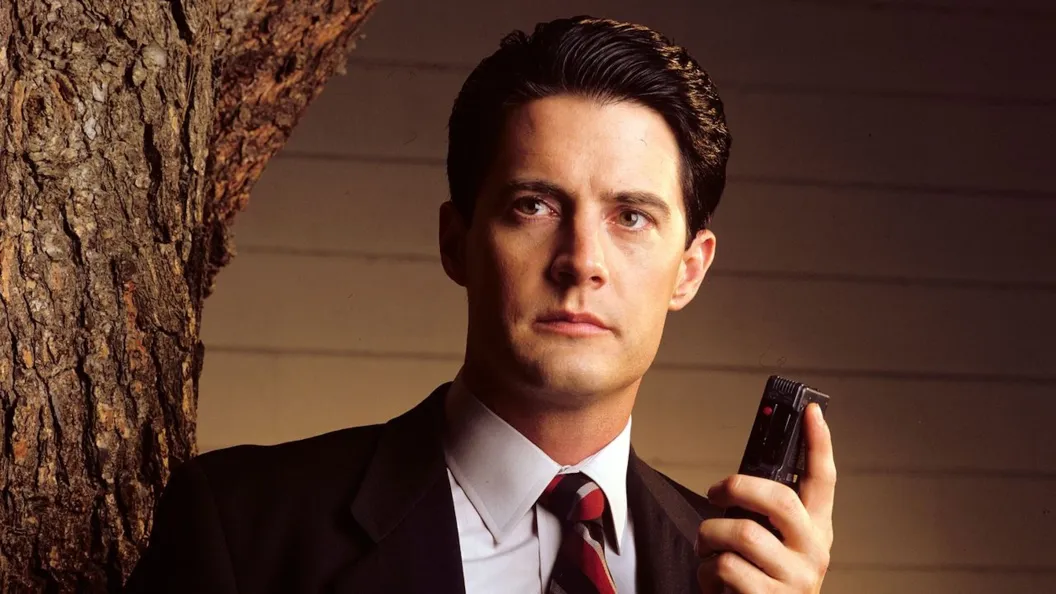
A body wrapped in plastic washes up outside a lumber town in Washington state, and 34.6 million people watch it happen. That was April 8, 1990, and the show was Twin Peaks, created by David Lynch and Mark Frost for ABC.
Twin Peaks Was the First Small-Town Supernatural Mystery Show to Define the Genre
ComicBook.com reports that Twin Peaks, the 1990 ABC series created by David Lynch and Mark Frost, remains the foundational small-town supernatural mystery show that shaped modern television storytelling. The show’s opening scene—a body wrapped in plastic washing up outside a lumber town in Washington state—was watched by 34.6 million people on April 8, 1990, and became the highest-rated television movie of its season. It won a Peabody Award and ran for 30 episodes before being canceled in 1991 after a cliffhanger ending that remained unresolved for 26 years.
The Duffer Brothers Avoided Twin Peaks as Inspiration, Not Borrowed From It
The Duffer Brothers, creators of Stranger Things, have never acknowledged Twin Peaks as direct inspiration for their show. In a 2017 interview, Matt Duffer explained why the town in Stranger Things is called Hawkins, Indiana instead of something more evocative: ‘But we didn’t want to do the Eerie, Indiana or Twin Peaks thing and name it after a fictional place.’ This statement reveals the Duffers consciously avoided the Twin Peaks template rather than borrowing from it.
Twin Peaks’ Structural Legacy Is Uncontested, Despite Its Collapse
Twin Peaks established a four-part narrative engine that defines the small-town supernatural mystery genre: a town that behaves like a character, a disappearance or death that the community organizes around, an outsider who arrives to investigate, and something hidden beneath the ordinary surface. The show’s structure has been replicated by shows like Gravity Falls and Netflix’s Stranger Things, though Twin Peaks itself collapsed due to ABC’s pressure to reveal Laura Palmer’s killer in 1990. The network demanded answers, which the show refused to provide, leading to a ratings drop and cancellation.
Why Twin Peaks Still Matters Today
Despite its cancellation, Twin Peaks has endured as the genre’s blueprint. David Chase, creator of The Sopranos, called it ‘a show that shows it to you and leaves you thinking, “What did I just see?”’ Damon Lindelof, creator of Lost, stated ‘there is no show in television history that had more impact on me than Twin Peaks.’ The show’s legacy is cemented by its influence on modern storytelling, even as it remains unresolved—a fact that has inspired shows like Netflix’s Dark to complete the narrative arc Twin Peaks never achieved.
Streaming Access to Twin Peaks Is Complex
Viewers seeking Twin Peaks face a fragmented streaming landscape. Seasons 1 and 2 are available on Paramount+ (including ad-supported tiers) and Prime Video, while The Return (the 2017 revival) is exclusive to Paramount+ Premium. The 1992 prequel Fire Walk With Me is only on HBO Max and the Criterion Channel. The correct viewing order—seasons 1 and 2, followed by Fire Walk With Me, then The Return—highlights the show’s enduring complexity.
The Duffer Brothers’ Unintentional Acknowledgment
The Duffers’ avoidance of Twin Peaks as inspiration is more revealing than any direct acknowledgment would have been. By naming their town Hawkins, Indiana instead of evoking Twin Peaks or Eerie, Indiana, they signaled their intent to create a fresh take on the genre. This distinction underscores how deeply Twin Peaks’ structural framework has influenced modern storytelling without the Duffers explicitly admitting it.
Why This Matters for Modern TV
Twin Peaks’ collapse due to unresolved questions has become a template for modern shows. The show’s refusal to answer its central mystery—Laura Palmer’s killer—until 26 years later has inspired a generation of creators to prioritize narrative ambiguity over closure. This approach has been adopted by shows like Dark, which delivers a complete, planned ending that Twin Peaks never achieved.
The Legacy of Twin Peaks’ Structural Framework
Twin Peaks’ four-part engine remains the most influential small-town supernatural mystery framework. Its legacy is evident in shows like Stranger Things, Gravity Falls, and Dark, all of which use the same structural elements but adapt them to contemporary storytelling. The show’s collapse, however, demonstrates the tension between narrative ambition and network demands—a tension that continues to shape modern television.
Twin Peaks Was the First Small-Town Supernatural Mystery Show to Define the GenreThe Duffer Brothers Avoided Twin Peaks as Inspiration, Not Borrowed From ItTwin Peaks’ Structural Legacy Is Uncontested, Despite Its CollapseWhy Twin Peaks Still Matters Today
EpisodeBreakdown may use automated tools to assist research, drafting, and formatting. Published pages are governed by our editorial and corrections policies, and source links are shown when they are available in the article record.
Discovery source:ComicBook.com. The source identifies where the topic was discovered; EpisodeBreakdown is responsible for the commentary published on this page.
Reader response
What did you think?
Be the first to react
Reactions and poll results are based on real reader responses. No account is required.
Continue the story
news
A Major Green Lantern Character Officially Makes Their DCU Debut, And Lanterns Confirms a Huge Change
The latest episode of Lanterns brings Green Lantern character Carol Ferris into the DCU with actress Amie MacKenzie, confirming a major shift in Hal Jordan's story.Read next →