test
asdasd
Explore seven forgotten Toonami anime shows that have not stood the test of time and may surprise nostalgic fans.
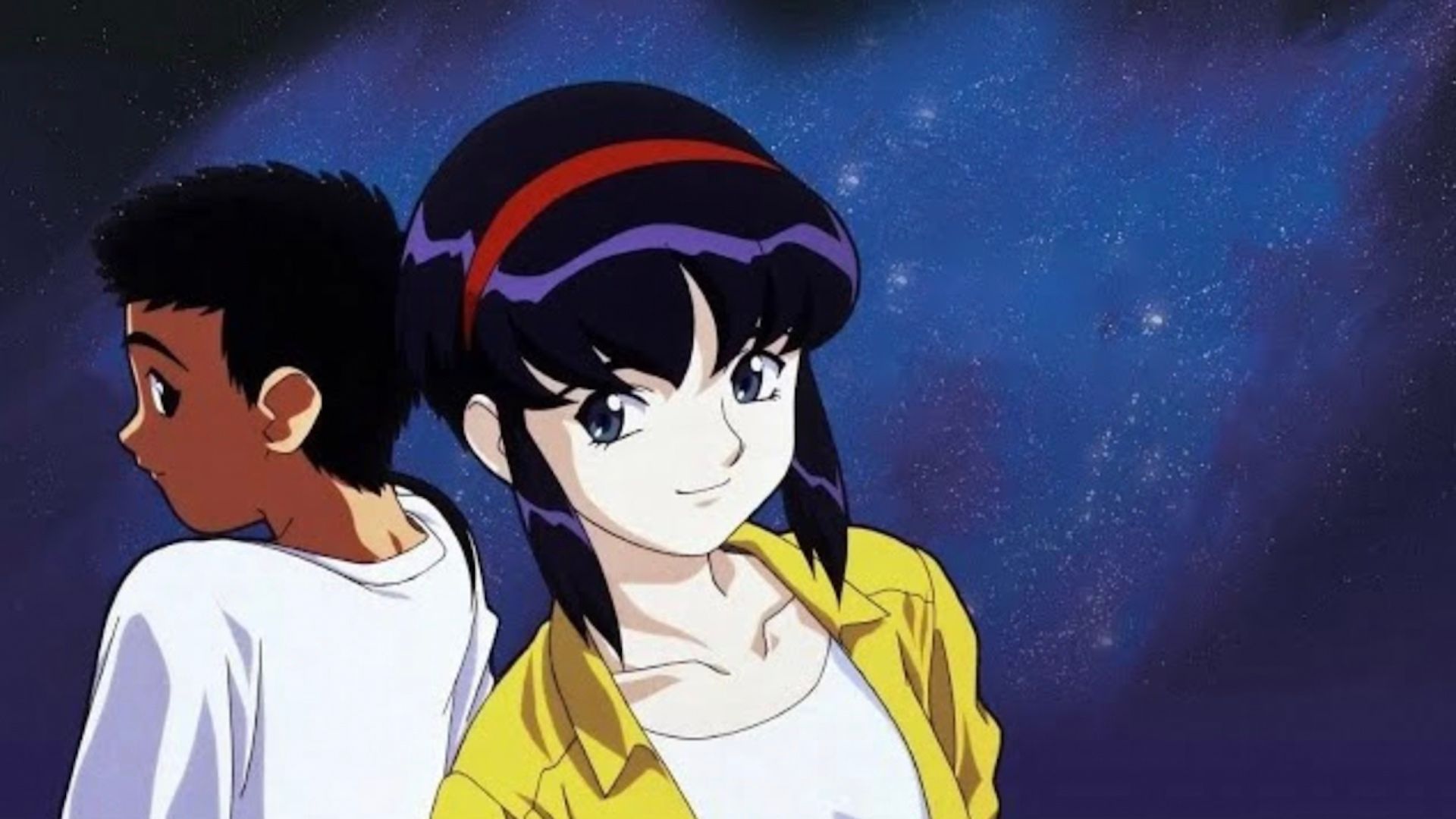
In simple terms, several anime titles aired on Toonami during the late 1990s and early 2000s have not aged well, revealing how quickly certain shows can become dated. While Toonami introduced many viewers to anime, some offerings have become less celebrated over the years. This article delves into seven specific titles that have become largely forgotten or criticized for not living up to expectations today.
The series Duel Masters was intended to ride the wave of popularity generated by trading card games. However, its reliance on already saturated themes and concepts, particularly when compared to peers like Yu-Gi-Oh!, led it to a lackluster existence. The exposition-heavy plot and self-referential humor overshadowed much of the series’ potential emotional depth. After Toonami stopped airing it, Duel Masters faded from discussions about noteworthy anime, largely due to its failure to stand out in storytelling or character development.
Blue Dragon came loaded with talent—Hironobu Sakaguchi’s vision, Akira Toriyama’s character designs, and Nobuo Uematsu’s soundtrack. Despite these heavyweight credentials, the series struggled to meet audience expectations. It was eventually overshadowed by other fantasy anime that offered richer storylines and deeper character arcs. The anime ultimately didn't deliver something that felt fresh or memorable, leaving it vulnerable to being forgotten as anime evolved.
Although Rave Master demonstrated some of Hiro Mashima’s creative strengths, its partial television adaptation proved detrimental to its legacy. Many fans discovered Mashima through later works like Fairy Tail, and Rave Master failed to build on that connection due to stopping its narrative abruptly. The story didn’t sufficiently develop relationships or emotional stakes, leading to a collective forgetfulness about a show that had all the potential for a more significant impact on anime fandom.
Initially exciting with its inventive fantasy universe and unique weapon system, MAR quickly adopted a repetitive tournament approach. Once intriguing battles began to feel formulaic due to their reliance on recurring structures. As the shonen genre evolved to include intricate political and emotional narratives, MAR struggled to keep up, losing its appeal and slipping into the background of anime history.
In a departure from typical shonen narratives, D.I.C.E. introduced a sci-fi premise focusing on rescue missions. Unfortunately, the momentum generated by exciting introductions quickly waned as the series fell into predictable patterns. The lack of character development or complex arcs rendered each episode barely distinguishable from the last. As newer mecha series discovered deeper emotional and thematic undertones, D.I.C.E. remained a simple novelty, failing to leave a lasting impression.
Tenchi in Tokyo opted to stray from the original Tenchi Muyo! narrative that audiences loved. With a new timeline and a focus on conventional romance, it alienated old fans while also lacking the essential comedy and character dynamics that defined the franchise’s success. As a result, Tenchi in Tokyo often finds itself mentioned in discussions of the series' least successful experiments rather than as a piece for casual viewing enjoyment.
As part of the Unicron Trilogy, Transformers: Energon was expected to attract a sizable audience by building on its predecessors' narrative style and action. However, the series became bogged down by poor animation quality and a weak storyline that left many viewers disappointed. Its shortcomings have become increasingly evident compared to later installments in the Transformers franchise. Most discussions surrounding Transformers: Energon pivot quickly to its technical failings rather than its attempts to expand on established lore.
Nostalgia can often lead fans to remember anime with rose-colored glasses, but revisiting titles from the Toonami era reveals that not all are classics deserving of a lasting legacy. The unfortunate truth is that several once-popular series simply cannot compete with the complexity and quality seen in contemporary anime. This exploration serves as both a reminder of the past and a testament to how far anime has come in innovation and storytelling since the 2000s.
For readers interested in diving deeper into the discussion surrounding aging anime, you might explore 5 Infamous Anime Endings That Spark Ongoing Debates or consider 7 Forgotten 2010s Anime That Have Already Aged Like Milk.
Story breakdown
EpisodeBreakdown may use automated tools to assist research, drafting, and formatting. Published pages are governed by our editorial and corrections policies, and source links are shown when they are available in the article record.
Discovery source: CBR Anime. The source identifies where the topic was discovered; EpisodeBreakdown is responsible for the commentary published on this page.
Reader response
Reactions and poll results are based on real reader responses. No account is required.


