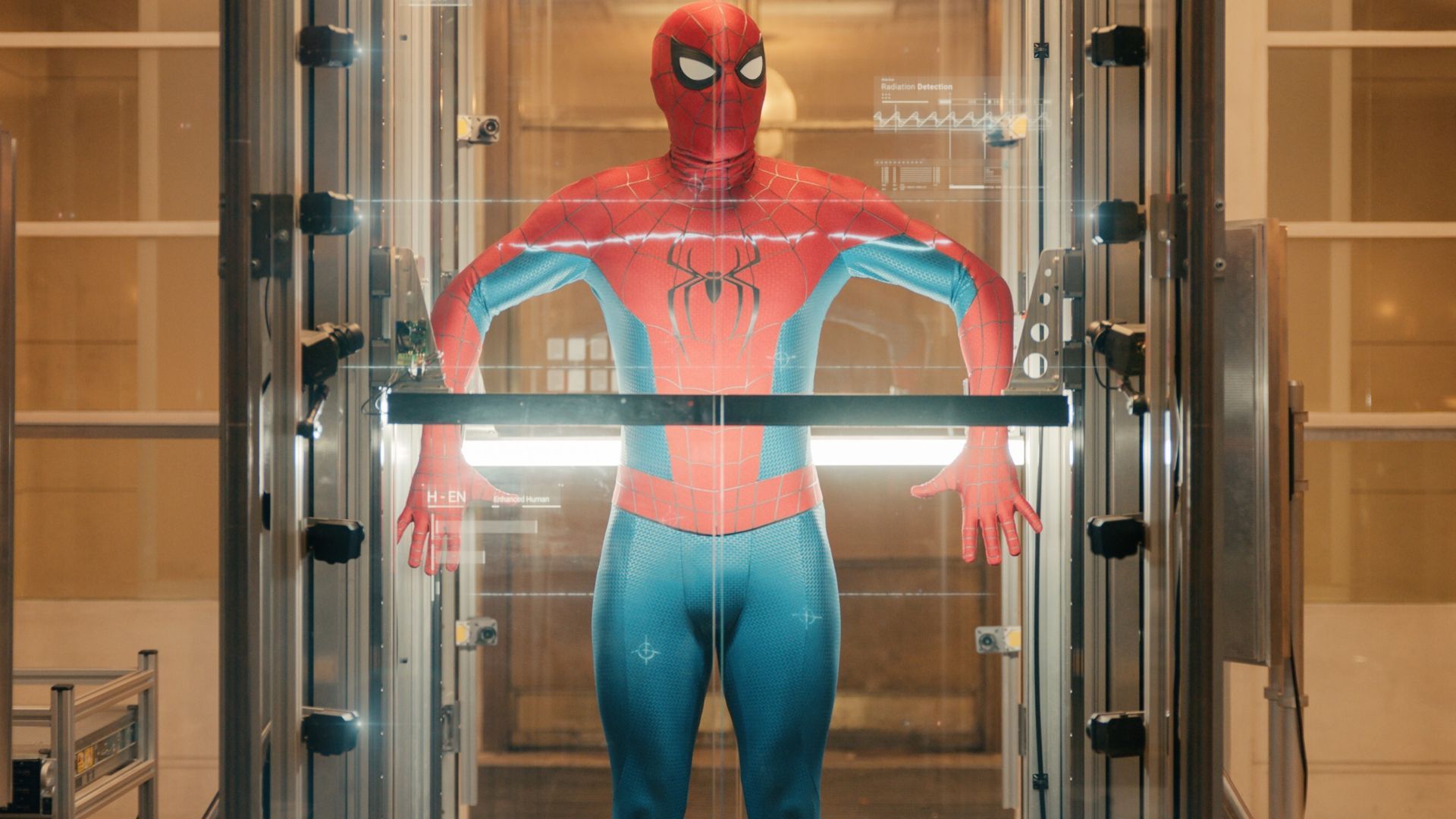
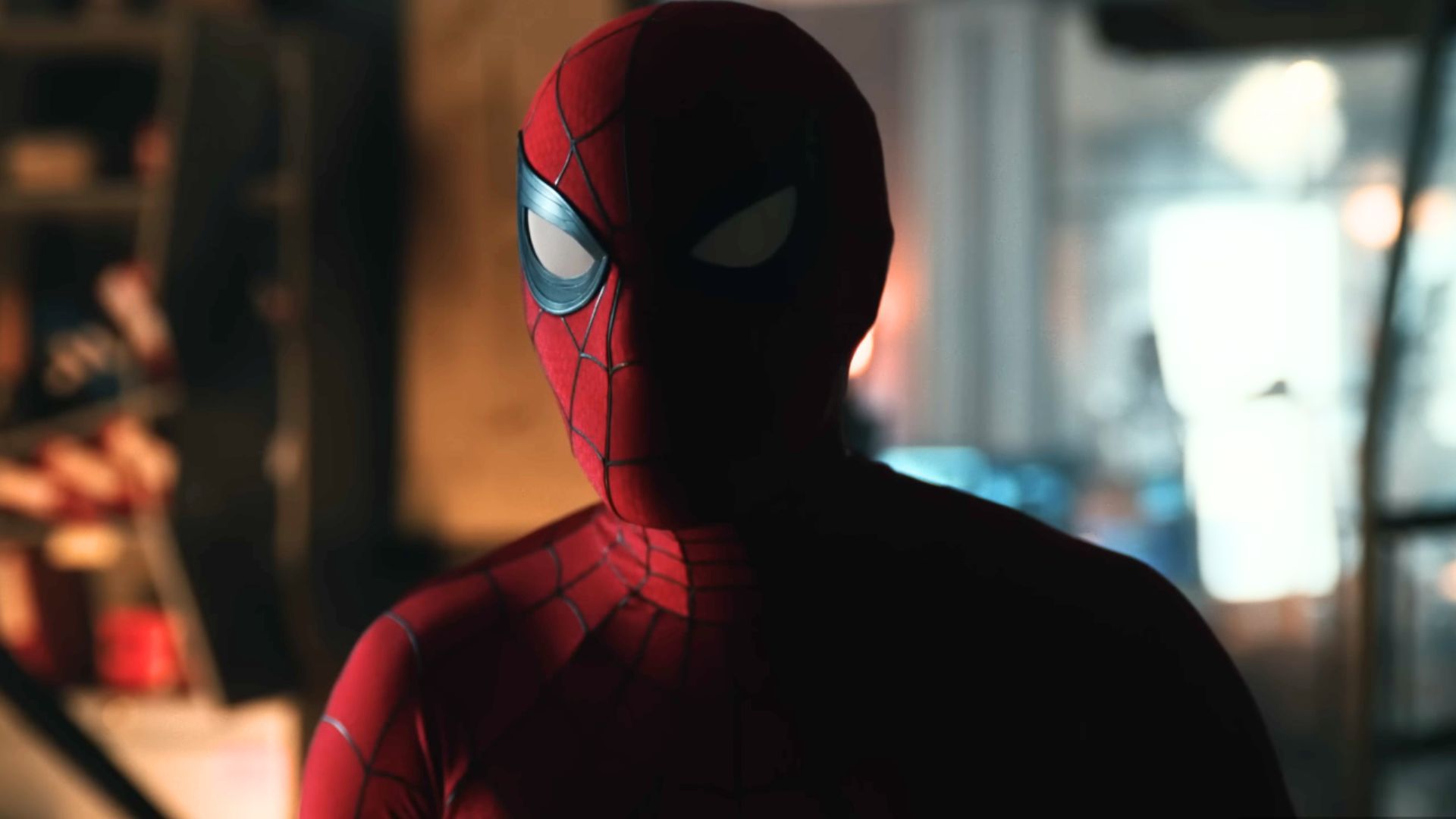
Exploring Spider-Man: Brand New Day's Impact on Cinema
Analyzing the themes, character dynamics, and record-breaking success of 'Spider-Man: Brand New Day'.
An exploration of how 'Friday the 13th Part VI: Jason Lives' reinvigorated the franchise, only for its sequel to falter.
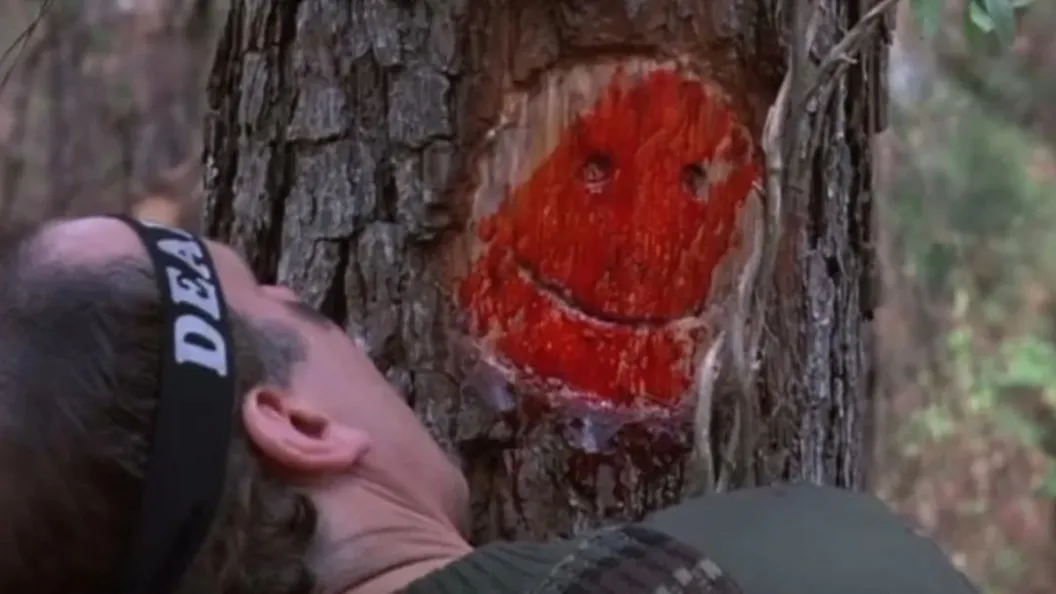
In simple terms, the 'Friday the 13th' franchise marked a pivotal moment in horror history 40 years ago with the release of 'Friday the 13th Part VI: Jason Lives.' This film ingeniously reinvented the series by combining elements of humor and self-awareness, positioning itself as a fan-favorite. What followed, however, was the disappointing sequel, 'Friday the 13th Part VII: The New Blood,' which detracted from the momentum established by its predecessor.
The 1986 film 'Friday the 13th Part VI: Jason Lives' revitalized the long-running horror series with its fresh approach. It introduced a playful meta-humor that resonated with audiences, breathing new life into a franchise that had started to feel stale. By sidestepping established storylines—such as Jason Voorhees' supposed death in previous films—Jason Lives made a bold statement. The film opens with Tommy Jarvis accidentally resurrecting Jason, an audacious choice that set a whimsical tone for the rest of the film. This inventive reboot kept the formula fresh while remaining true to the franchise's roots.
Prior installments had struggled to keep the audiences engaged, but 'Jason Lives' successfully infused the series with a new lease on creativity. Critics and fans alike praised the film for its balance of suspense and humor. It cleverly employed tropes familiar to horror aficionados, such as self-aware references. For instance, when two teens encounter Jason, one quips, "I've seen enough horror movies to know any weirdo wearing a mask is never friendly." Such moments highlighted the film's self-reflexive nature and allowed it to embrace its own ridiculousness.
The reception of 'Jason Lives' marked a notable shift in the franchise's trajectory. Garnering nearly $20 million at the box office, it also achieved a 59% approval rating on Rotten Tomatoes—considerably higher than many earlier entries in the series. Critics appreciated its blend of humor and horror, positioning it as one of the standout films in the franchise, and earning it a lasting legacy among horror fans.
Where 'Jason Lives' thrived, its sequel, 'Friday the 13th Part VII: The New Blood,' struggled dramatically. Released in 1988, this installment attempted to take the franchise in another unfamiliar direction by introducing Tina Shepard, a new final girl with telekinetic powers reminiscent of characters from other horror classics. However, the melodrama and lack of humor that characterized 'The New Blood' failed to resonate with viewers, leading to a significant drop in quality compared to its predecessor.
Unfortunately for 'The New Blood,' it was panned by both critics and fans, failing to capture the magic of 'Jason Lives.' Unlike its predecessor, this sequel reverted to a more traditional slasher format, losing the much-appreciated tongue-in-cheek humor. Many fans felt that the melodramatic tone detracted from the fun that made 'Jason Lives' a success. As a reminder of how quickly audience favor can shift, 'The New Blood' became synonymous with lost potential and unmet expectations.
This downward trend in audience reception has become a recurring theme in the 'Friday the 13th' series. Following 'The New Blood,' subsequent sequels also ventured away from the successful elements introduced in 'Jason Lives.' For example, 'Friday the 13th Part VIII: Jason Takes Manhattan' shifted the setting from Crystal Lake to the bustling streets of New York City. While intriguing, these experimental choices have often led to mixed results and diminishing returns at the box office.
The stark contrast between 'Jason Lives' and 'The New Blood' underscores the inherent challenges of reinventing a franchise. While risk-taking can potentially rejuvenate a series, it can also alienate established fans. The way 'Jason Lives' successfully blended humor with horror highlights that innovation should align with the core essence of the franchise. If done correctly, it can lead to renewed interest, yet if not, it risks alienating loyal audiences.
To explore similar themes in creative works, check out our takes on HBO’s All-Time Greatest Detective Series Was Originally Meant To Be a Book Sequel and The Impact of Drew Struzan's Iconic Movie Posters. These pieces delve into how alterations in storytelling and visual representation can shape audience perceptions over time.
In conclusion, the 'Friday the 13th' franchise illustrates the complexities of long-running series in maintaining audience engagement through creative evolution. While 'Friday the 13th Part VI: Jason Lives' stands as a triumphant example of reinvention, its sequel tested boundaries that ultimately led to disappointment. The challenge remains: how can franchises innovate without losing sight of what made them beloved in the first place? As new installments in the series continue to surface, fans eagerly anticipate finding that balance once again.
Story breakdown
EpisodeBreakdown may use automated tools to assist research, drafting, and formatting. Published pages are governed by our editorial and corrections policies, and source links are shown when they are available in the article record.
Discovery source: ComicBook.com. The source identifies where the topic was discovered; EpisodeBreakdown is responsible for the commentary published on this page.
Reader response
Reactions and poll results are based on real reader responses. No account is required.