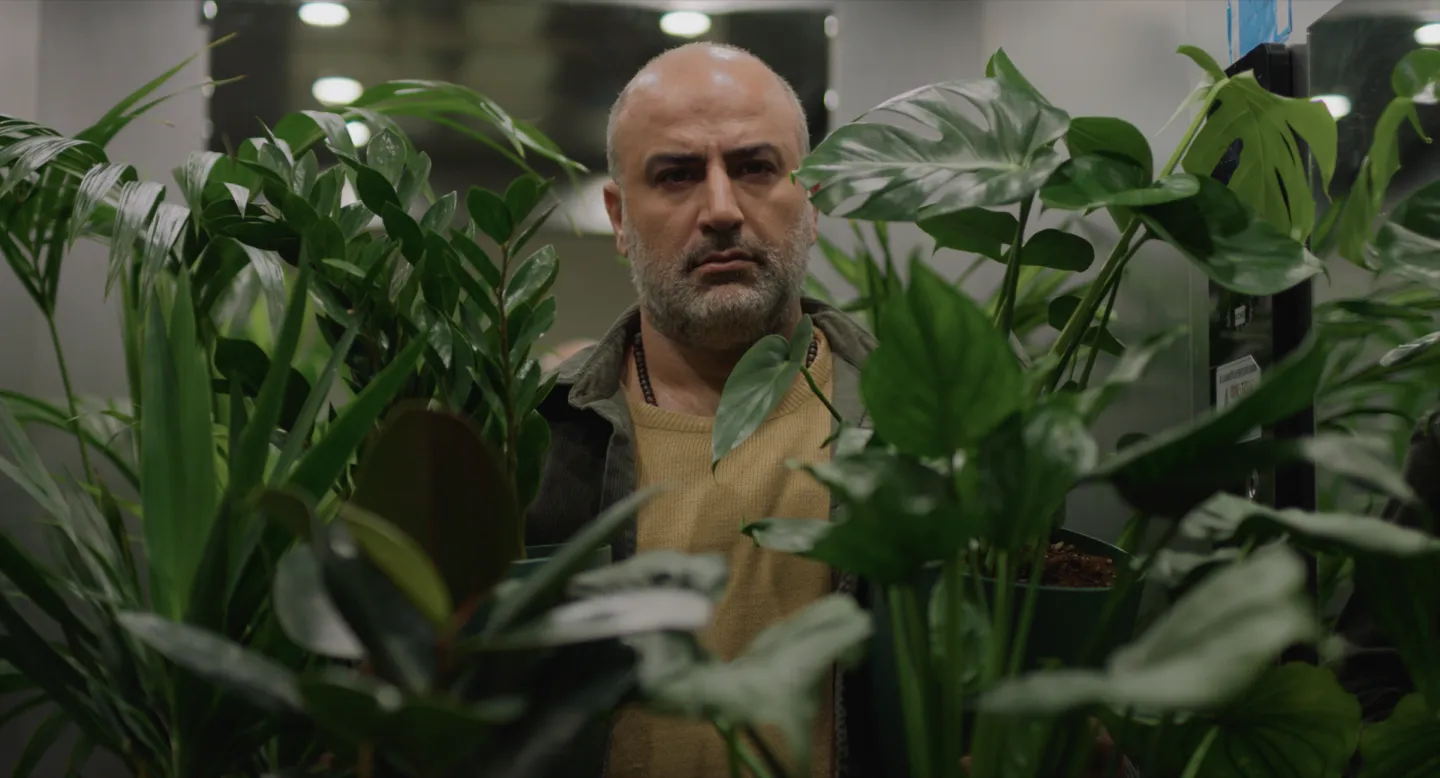
‘A Bit of Light’ Enters Venice Competition for Iranian Drama
The Iranian film ‘A Bit of Light’ by Ali Asgari explores themes of despair and connection, showcasing at the Venice Film Festival.
23 industry groups at TIFF highlight risks posed by global streaming services to local storytelling.
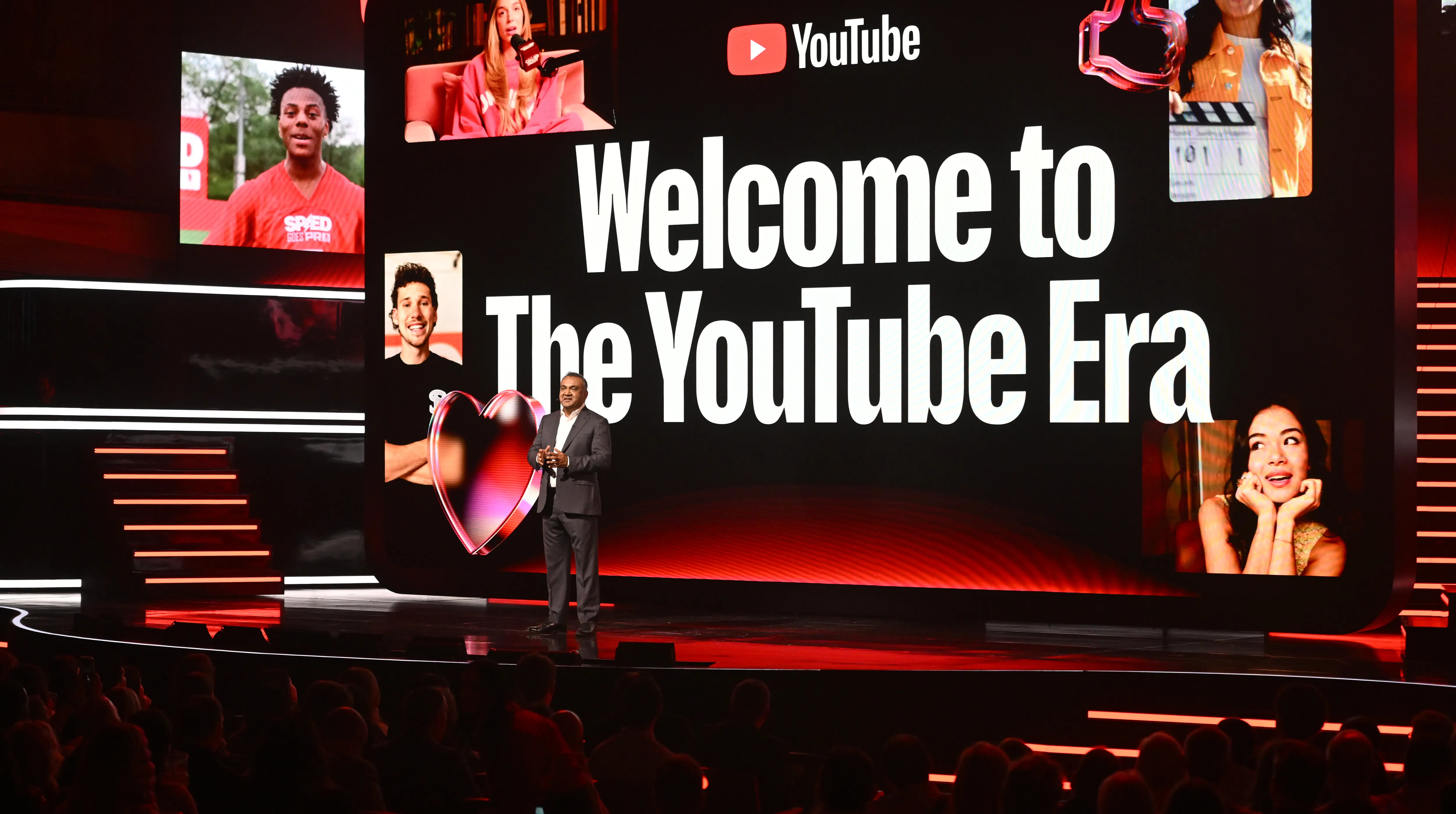
A coalition of 23 media industry organizations has formally called for governments to implement stronger local content laws to protect domestic storytellers from the overwhelming influence of global streaming platforms like Netflix, Amazon, and YouTube. This announcement was made during this year’s Toronto International Film Festival (TIFF), emphasizing the urgent need for regulation as these streaming giants reshape the global media landscape.
Reynolds Mastin, president and CEO of the Canadian Media Producers Association, voiced the collective concerns, noting that the dominance of these global services presents significant threats to the production and commissioning of local content. "Streaming has upended the way content gets commissioned, produced, and seen, but domestic policies have not kept pace," he stated.
The statement from the consortium highlights a growing concern that the increasing ubiquity of global streaming services puts local stories at risk. With the landscape shifting dramatically due to the influx of international content, industry leaders argue that immediate action is necessary to safeguard cultural narratives that are vital to national identities.
This call to action comes amid ongoing discussions in various countries regarding the need for foreign companies to contribute financially to local media production, particularly as competition intensifies in the digital space. The 23 organizations involved, which include prominent entities from Canada, Australia, and Europe, represent a workforce of around 750,000 individuals across these regions.
Historically, countries like Canada have been vocal about their desire for updated content regulations that reflect the current media environment. In tandem with this latest announcement, Canadian producers have urged federal government officials to revive initiatives aimed at requiring American streaming companies to subsidize local film and TV production. This follows the broader narrative of countries adjusting their media strategies in response to the global dominance of major streaming services.
The joint statement underscores that producers require both immediate and long-term solutions to ensure their survival against the challenges posed by these platforms. Previous initiatives in Europe involving legacy broadcasters have also indicated a trend toward seeking government support to bolster local productions.
As streaming platforms like Netflix and Amazon continue to capture vast audience shares, local production companies fear they may struggle to connect with viewers if they do not receive adequate support. The lack of robust local content laws could jeopardize not only the diversity of stories available to the global audience, but may also threaten the viability of local storytelling traditions.
The 23 organizations collaborating on this statement include notable names like European Audiovisual Production, Animation Ireland, and Screen Producers Australia, all emphasizing the urgent need for support within the industry.
The call for stronger local content laws at TIFF emphasizes the shared concerns among the global media industry regarding the pressure exerted by dominant streaming services. Immediate and coordinated efforts could help ensure that local stories continue to thrive within this evolving landscape. Whether governments will heed this call remains to be seen, but the ramifications of inaction could lead to a significant diminishment of local narratives in favor of a more homogenized global media environment.
For more on media industry trends and updates, check out our articles on Nielsen Updates Streaming Top 10 Reporting and Media Execs Discuss Trends at Variety Entertainment & Technology Summit.
Entertainment news
EpisodeBreakdown may use automated tools to assist research, drafting, and formatting. Published pages are governed by our editorial and corrections policies, and source links are shown when they are available in the article record.
Discovery source: The Hollywood Reporter. The source identifies where the topic was discovered; EpisodeBreakdown is responsible for the commentary published on this page.
Reader response
Reactions and poll results are based on real reader responses. No account is required.